

Stroke struck with a rare symptom that turned words into a foreign language


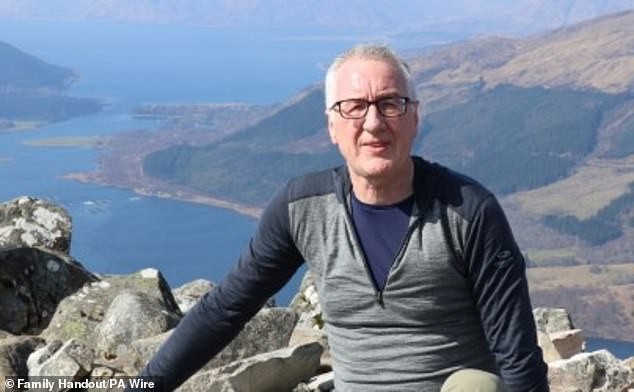
Gordon Robb was pottering around in his garden when he suffered a stroke — but he had no idea until he attended A&E the next day. The 63-year-old, who lives in Bonnyrigg in Midlothian, Scotland, didn't experience any of the tell-tale signs of stroke in September 2025, but instead experienced a symptom which affects just one per cent of sufferers — he lost the ability to read. He said: 'I was in the garden, went in to have a cup of tea, listen to some music and check my emails on my phone – and it was like they were in a foreign language. I could see them clearly, and see who they were from, but the words meant nothing to me. I just assumed I was tired because I had been up late the night before. I knew some of the classic signs of a stroke like facial weakness, being unable to raise my arms or speech issues, but had none of these.' Unbeknown to Mr Robb, he had a bleed on his brain — but he was reluctant to seek emergency care because he hadn't experienced any of the usual symptoms associated with strokes, including facial and arm weakness or speech problems. Instead, he found that words – including emails, texts about the Ryder Cup and the screen of a cash point – looked as though they were written in a foreign language. Gordon Robb had no idea he had suffered a stroke until the next day. He said: 'When friends were then messaging me about the Ryder Cup that evening and I couldn't see the messages, I just gave myself an early night.'
In This Article:
The next day the GP visit that led to A&E and the stroke diagnosis
The next day after he could not read the instructions on a cash machine, he resolved to see his GP. But his cousin, whose husband had died from a sudden stroke just three weeks earlier, drove straight to his house and insisted on taking him to A&E where it emerged that he had a haemorrhagic stroke. He said: 'When friends were then messaging me about the Ryder Cup that evening and I couldn't see the messages, I just gave myself an early night.'
Strokes explained ischaemic vs haemorrhagic and the danger signs
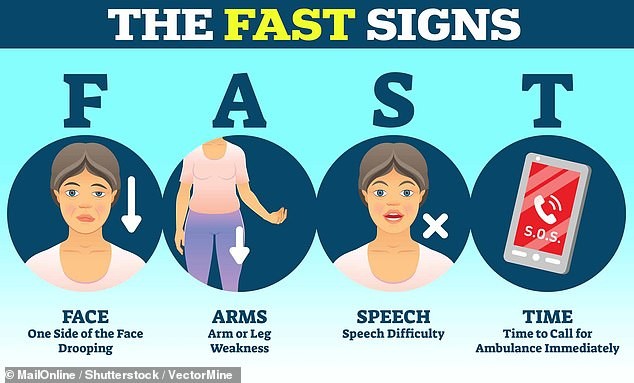
Around 100,000 people have a stroke each year in the UK, while approximately 38,000 die from the disease each year. This makes it the UK's fourth biggest killer and a leading cause of disability. The main symptoms of a stroke can be remembered using the acronym FAST: Face (drooping or inability to smile), Arms (weakness or inability to lift one arm), Speech (slurred or garbled), and Time (to call emergency services immediately). But other lesser-known symptoms to watch out for are blurred vision or loss of sight in one or both eyes, a severe headache and feeling or being sick. The most common cause is fatty deposits or a blood clot blocking arteries supplying the brain—known as ischaemic stroke. Mr Robb was suddenly unable to read - a rare symptom of stroke. Stroke symptoms are commonly remembered under this four-letter acronym, FAST. Patients experiencing a stroke can often have their face drop on one side, struggle to lift both arms and have slurred speech, while time is essential, as immediate treatment for a transient ischemic attack (TIA) or minor stroke can substantially slash the risk of a much deadlier major stroke. This happens due to cardiovascular disease, when blood vessels become narrowed or blocked over time by plaques. These are made of cholesterol, calcium and other substances that build up in the artery walls in a process known as atherosclerosis. The other type, as suffered by Mr Robb, are haemorrhagic strokes, which occur when a blood vessel bursts in the brain and starts to leak its contents into the organ. Experts said that difficulty recognising written words on its own, without any other symptoms, affects fewer than one per cent of people at the time of their stroke.
Hope through science and a survivor’s message
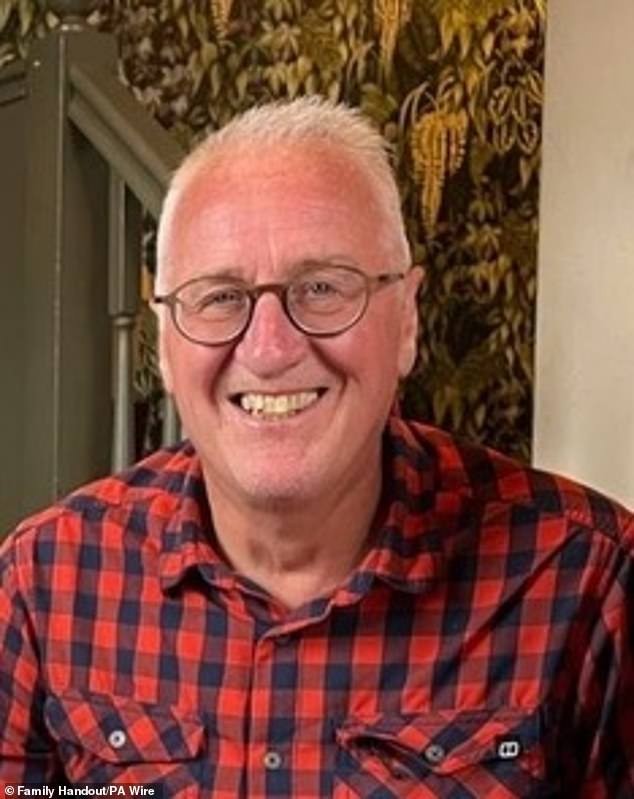
I am incredibly lucky, and quite honestly felt like a fraud in the stroke ward because I was no different to how I am normally, except that I suddenly could not read words. 'It just shows the importance of paying attention to unusual symptoms, even if they aren't ones you have heard of before. If I hadn't gone to the hospital, and quickly received treatment, I could have been walking around with a ticking time-bomb in my head.' His symptoms are improving, though it now takes longer to read compared to before his stroke, and he occasionally cannot find the right word during a conversation. Mr Robb is taking part in a new British Heart Foundation-funded clinical trial led by academics at the University of Edinburgh in a bid to avoid future strokes. Researchers are examining if clopidogrel or aspirin, which are drugs that reduce the risk of blood clotting, can prevent future strokes, heart attacks and premature deaths in people who have had a haemorrhagic stroke. Mr Robb, a keen cyclist and runner, is taking the clopidogrel as part of the trial, led by Professor Rustam Al-Shahi Salman at the University of Edinburgh, which he signed up for while he was in hospital. Professor Salman said: 'It has been hard to overcome the instinctive fear that if people have had a haemorrhagic stroke, taking aspirin or a drug like it might cause more bleeding. So we were very relieved when our research showed such drugs to be safe after a haemorrhagic stroke. The Aspiring study will gather further evidence to establish if aspirin and clopidogrel can help lower the risk of future strokes and heart attacks, and potentially save the lives of people like Gordon who have had a haemorrhagic stroke. I believe there is a huge amount more to be done to help these people, whose lives have been turned upside down and who may be concerned about the future.'