

Strange Bacteria Found in NASA Cleanrooms Trigger Stop-and-Recheck Alarm


They’re among the most sterile places on Earth, but scientists have discovered dozens of new bacterial species inside NASA’s cleanrooms. These facilities are ultra-sanitised, highly controlled spaces where spacecraft and sensitive instruments are built and tested. They are designed to prevent any form of contamination and to stop unwanted microbes from hitching a ride to other planets. So experts were left stunned after finding 26 tiny living organisms — all previously unknown bacterial species — in the Kennedy Space Center cleanrooms in Florida. Despite stringent measures including filtered air, the strict regulation of temperature and humidity, and the use of harsh chemical detergents, these microbes have somehow managed to survive. It was a genuine "stop and re-check everything" moment, Alexandre Rosado, a professor of Bioscience at King Abdullah University of Science and Technology (KAUST) in Saudi Arabia, told Live Science. Recent analysis of these microbes has shed light on how they can live — and even thrive — in one of the harshest man-made environments on Earth. And it turns out they have genes that help them resist the effects of radiation and even repair their own DNA.
Twenty-six New Bacterial Species Hidden in NASA’s Ultra-Sanitised Cleanrooms
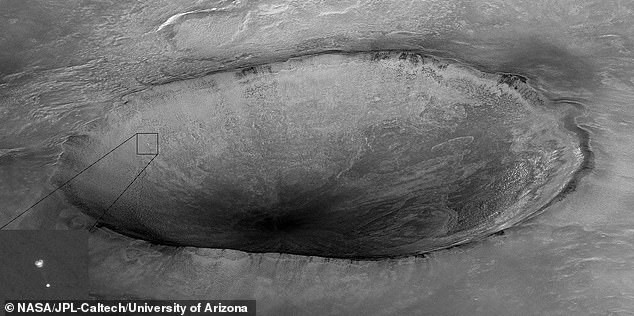
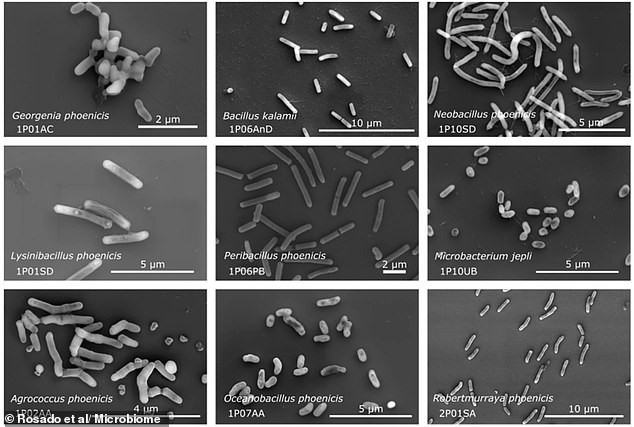
A selection of the 26 new bacterial species discovered in the cleanrooms, despite the facility being ultra-sanitised and highly controlled. They were collected and preserved at the time, and recent advances in DNA technology have allowed scientists to properly analyse them. The findings, published in the journal Microbiome, read: “Maintaining the biological cleanliness of NASA’s mission-associated cleanrooms, where spacecraft are assembled and tested, is critical for planetary protection. Even with stringent controls such as regulated airflow, temperature management and rigorous cleaning, resilient microorganisms can persist in these environments, posing potential risks for space missions.” The next step, experts said, is to figure out whether any of these tiny organisms could have potentially tolerated conditions during a journey to Mars’ northern polar cap, where Phoenix landed in 2008. Experts said the next step is to work out whether any of these microorganisms could have survived the trip to the Red Planet. Professor Rosado said several species do carry genes that may help them adapt to the stresses of spaceflight. But their survival would depend on how they handle the harsh conditions of the journey and on the Red Planet itself, including exposure to vacuum, deep cold and high levels of UV. To explore this further, the team plans to test the microbes inside a “planetary simulation chamber” that could reveal whether they could survive a trip through space. One is currently being built at JAUST, with its first experiments expected to commence in early 2026. The team said that beyond space exploration, these microbes hold “immense promise” for biotechnology as their resistance to radiation and chemical stressors could drive innovations in medicine, pharmaceuticals and the food industry.
Mars, Microbes, and a Bright Biotechnology Future
Mars is the fourth planet from the Sun, a dusty, cold desert world with a very thin atmosphere. Mars is also a dynamic planet with seasons, polar ice caps, canyons, extinct volcanoes, and evidence that it was more active in the past. It is one of the most explored planets in the solar system and the only planet humans have sent rovers to explore. A day on Mars is a little over 24 hours and a year is 687 Earth days. Facts and Figures Orbital period: 687 days Surface area: about 145 million square kilometres Distance from the Sun: about 233 million kilometres Gravity: 3.721 m/s² Radius: about 3,389 kilometres Moons: Phobos, Deimos