


Smile You're on Camera — Facial-Recognition Tech Quietly in US Stores Sparks Alarm Is It Already in a Store Near You


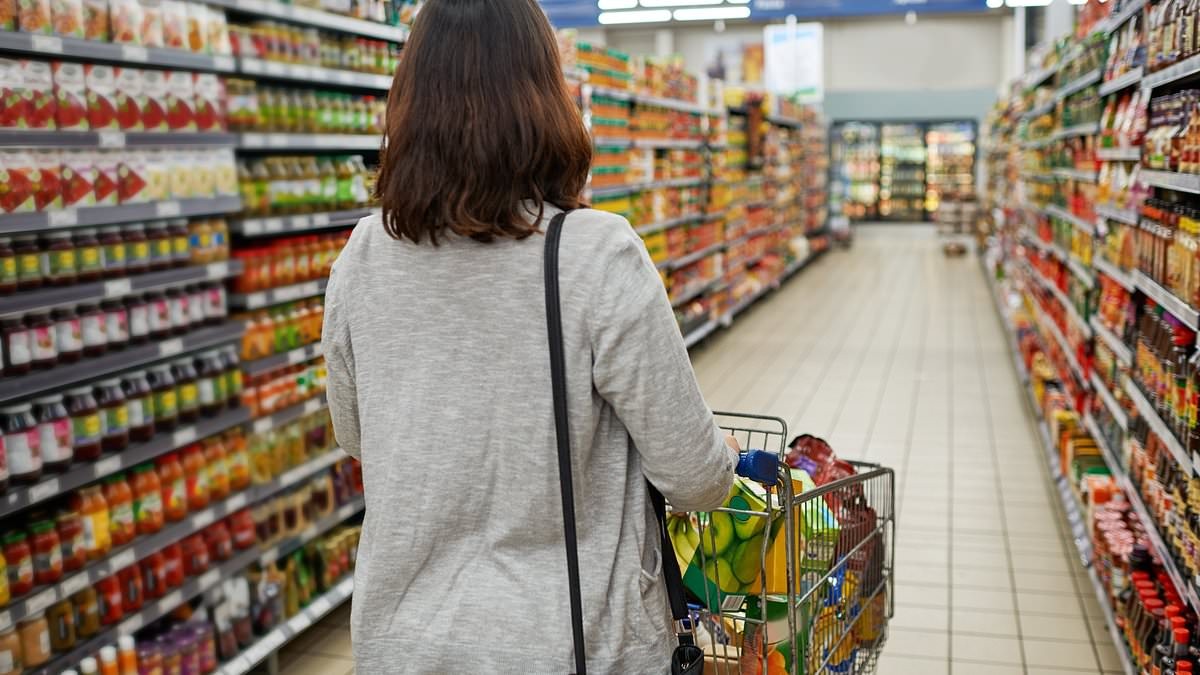
American shoppers wander the aisles every day thinking about dinner, deals and whether the kids will eat broccoli this week. They do not think they are being watched. But they are. Welcome to the new grocery store - bright, friendly, packed with fresh produce and quietly turning into something far darker. It's a place where your face is scanned, your movements are logged, your behavior is analyzed and your value is calculated. A place where Big Brother is no longer on the street corner or behind a government desk - but lurking between the bread aisle and the frozen peas.
In This Article:
- Wegmans confirms biometric surveillance in a small fraction of stores
- Phygital transformation: stores blending physical shopping with invisible digital layers
- From theft prevention to profiling: the business case and the privacy risk
- Data to faces: biometrics join loyalty, apps and brokers in a single profile
- The perpetual lineup and the creeping surveillance
- Wrongful arrests and flawed systems
- Voice as the shield: consumers still have a say and opt-out concerns
- Industry growth, key players and practical benefits
- Wegmans’ rollout escalates and how long biometric data is kept
- Consent, signage and enforcement gaps
- Experts warn about consumer understanding and future power
- Surveillance pricing, profiling and the larger risks
- Beyond shopping: the lifelong risk of biometric data
- Warning signs and ongoing legal cases
- Public sentiment and the lived reality of biometrics
Wegmans confirms biometric surveillance in a small fraction of stores
This month, fears of a creeping retail surveillance state exploded after Wegmans, one of America's most beloved grocery chains, confirmed it uses biometric surveillance technology - particularly facial recognition - in a 'small fraction' of its stores, including locations in New York City. Wegmans insisted the scanners are there to spot criminals and protect staff. But civil liberties experts told the Daily Mail the move is a chilling milestone, as there is little oversight over what Wegmans and other firms do with the data they gather. They warn we are sleepwalking into a Blade Runner-style dystopia in which corporations don't just sell us groceries, but know us, track us, predict us and, ultimately, manipulate us.
Phygital transformation: stores blending physical shopping with invisible digital layers
Industry insiders have a cheery name for it: the 'phygital' transformation - blending physical stores with invisible digital layers of cameras, algorithms and artificial intelligence. The technology is being widely embraced as ShopRite, Macy's, Walgreens and Lowe's are among the many chains that have trialed projects. Retailers say they need new tools to combat an epidemic of shoplifting and organized theft gangs. But critics say it opens the door to a terrifying future of secret watchlists, electronic blacklisting and automated profiling.
From theft prevention to profiling: the business case and the privacy risk
Retailers say they need new tools to combat an epidemic of shoplifting and organized theft gangs. But critics say it opens the door to a terrifying future of secret watchlists, electronic blacklisting and automated profiling. Automated profiling would allow stores to quietly decide who gets discounts, who gets followed by security, who gets nudged toward premium products and who is treated like a potential criminal the moment they walk through the door.
Data to faces: biometrics join loyalty, apps and brokers in a single profile
Retailers already harvest mountains of data on consumers, including what you buy, when you buy it, how often you linger and what aisle you skip. Now, with biometrics, that data literally gets a face. Experts warn companies can fuse facial recognition with loyalty programs, mobile apps, purchase histories and third-party data brokers to build profiles that go far beyond shopping habits. It could stretch down to who you vote for, your religion, health, finances and even who you sleep with. Having the data makes it easier to sell you anything from televisions to tagliatelle and then sell that data to someone else.
The perpetual lineup and the creeping surveillance
Civil liberties advocates call it the 'perpetual lineup.' Your face is always being scanned and assessed, and is always one algorithmic error away from trouble. Only now, that lineup isn't just run by the police. And worse, things are already going wrong. Across the country, innocent people have been arrested, jailed and humiliated after being wrongly identified by facial recognition systems based on blurry, low-quality images.
Wrongful arrests and flawed systems
Detroit resident Robert Williams was arrested in 2020 in his own driveway, in front of his wife and young daughters, after a flawed facial recognition match linked him to a theft at a Shinola watch store. He spent 30 hours in jail, and later won a $300,000 settlement, court records show. In 2022, Houston resident Harvey Murphy Jr was accused of robbing a Macy's sunglass counter after being misidentified by facial recognition. He spent 10 days in jail, where he claimed in a lawsuit he was beaten and sexually assaulted. Charges were dropped only after he proved he was in another state. Studies consistently show facial recognition systems have higher error rates for women and people of color - producing 'false flags' that can lead to harassment, detentions and arrests.
Voice as the shield: consumers still have a say and opt-out concerns
Michelle Dahl, a civil rights lawyer with the Surveillance Technology Oversight Project, told the Daily Mail that consumers still have one weapon against the tech - their voice. 'Consumers shouldn't have to surrender their biometric data just to buy groceries or other essential items,' Dahl said. 'Unless people step up now and say enough is enough, corporations and governments will continue to surveil people unchecked, and the implications will be devastating for people's privacy.'
Industry growth, key players and practical benefits
Behind the scenes, the biometric surveillance industry is booming. Underpinned by artificial intelligence, it is projected to grow globally from $39billion in 2023 to more than $141billion by 2032, according to S&S Insider. Big name companies dominate the space, including IDEMIA, NEC Corporation, Thales Group, Fujitsu Limited and Aware. They provide systems that scan faces, voices, fingerprints and even the way people walk to banks, governments, police departments and now retailers. There are benefits, including fraud prevention, account security and faster checkout lines. Some consumers are happy that their retailer knows to offer them crunchy peanut butter, not smooth.
Wegmans’ rollout escalates and how long biometric data is kept
The Wegmans rollout marks a significant escalation. The company said it has moved beyond pilot projects and now retains biometric data gathered in stores. Customer data was deleted during the company's pilot project in 2024. Signs at store entrances warn customers that biometric identifiers such as facial scans, eye scans and voiceprints may be collected. Cameras are positioned at entryways and throughout the stores. Wegmans said the technology is used only in a small fraction of higher-risk stores, including in Manhattan and Brooklyn, not nationwide, and that its goal is to enhance safety by identifying individuals previously flagged for misconduct. A spokesperson said the company currently uses facial recognition only - not retinal scans or voiceprints - and that images and video are retained 'as long as necessary for security purposes,' without disclosing exact timelines. Wegmans insisted it does not share biometric data with third parties and that facial recognition is only one investigative lead, not the sole basis for action.
Consent, signage and enforcement gaps
New York lawmaker Rachel Barnhart warned that Wegmans shoppers are left with 'no practical opportunity to provide informed consent or meaningfully opt out,' short of abandoning the store altogether. Some concerns include potential data breaches, misuse, bias and mission creep - where systems introduced for security quietly expand into marketing, pricing and profiling. New York City law requires stores to post clear signage if they collect biometric data, a rule Wegmans said it complies with. But enforcement is widely viewed as weak, according to several privacy groups and even the Federal Trade Commission. Lawmakers in New York, Connecticut and elsewhere are considering new restrictions or transparency rules, after a 2023 New York City Council effort fizzled.
Experts warn about consumer understanding and future power
Greg Behr, a North Carolina-based technology and digital marketing expert, said many shoppers don't grasp what they're giving away. 'Being a consumer in 2026 increasingly means being a data source first and a customer second,' Behr wrote in WRAL. 'The real question now is whether we continue sleepwalking into a future where participation requires constant surveillance, or whether we demand a version of modern life that respects both our time and our humanity.'
Surveillance pricing, profiling and the larger risks
Mayu Tobin-Miyaji, a legal fellow at the Electronic Privacy Information Center, said in a blog that retailers are already deploying sophisticated 'surveillance pricing' systems. These track and analyze customer data to charge different people different prices for the same product. It goes far beyond supply and demand. Shopping histories, loyalty programs, mobile apps and data brokers are fused to build detailed consumer profiles. The profiles include inferences about age, gender, race, health conditions and financial status. Electronic shelf labels already allow prices to change instantly throughout the day. Facial recognition technology, Tobin-Miyaji warned, could supercharge this with profiling, even as companies publicly deny using it that way. 'The surreptitious creation and use of detailed profiles about individuals violate consumer privacy and individual autonomy, betray consumers' expectations around data collection and use, and create a stark power imbalance that businesses can exploit for profit,' said Tobin-Miyaji.
Beyond shopping: the lifelong risk of biometric data
The risks extend far beyond shopping. While consumers can change their passwords and cancel a credit card that has been cloned, they cannot change their faces. Once a biometric data set is hacked, experts warn the consequences can be lifelong. A stolen iris scan or facial template could potentially be used to impersonate someone, access accounts or bypass security - forever. 'You cannot replace your face,' Behr said. 'Once that information exists, the risk becomes permanent.'
Warning signs and ongoing legal cases
There are already warning signs. In 2023, Amazon was hit with a class-action lawsuit in New York alleging its Just Walk Out technology scanned customers' body shapes and sizes without proper consent - even for those who did not opt into palm-scanning systems. The case was dropped by the plaintiffs, though a similar case is ongoing in Illinois. Amazon maintains that it does not collect protected data.
Public sentiment and the lived reality of biometrics
Still, consumers know something is wrong. A survey last year by the Identity Theft Resource Center found people were deeply uneasy about biometrics, yet kept handing them over. Sixty-three percent said they had serious concerns, but 91 percent said they provided biometric identifiers anyway. Fingerprint scanners are already common at airports, but could be coming to the checkout aisles soon. Two-thirds believed biometrics could help catch criminals, yet 39 percent said the technology should be banned outright. Eva Velasquez, the group's CEO, said in a statement the industry needs to do a better job explaining both the benefits and the risks. But critics argue the real issue isn't explanation, it's power. Because once surveillance becomes the price of entry to buy milk, bread and toothpaste, opting out stops being a real option.