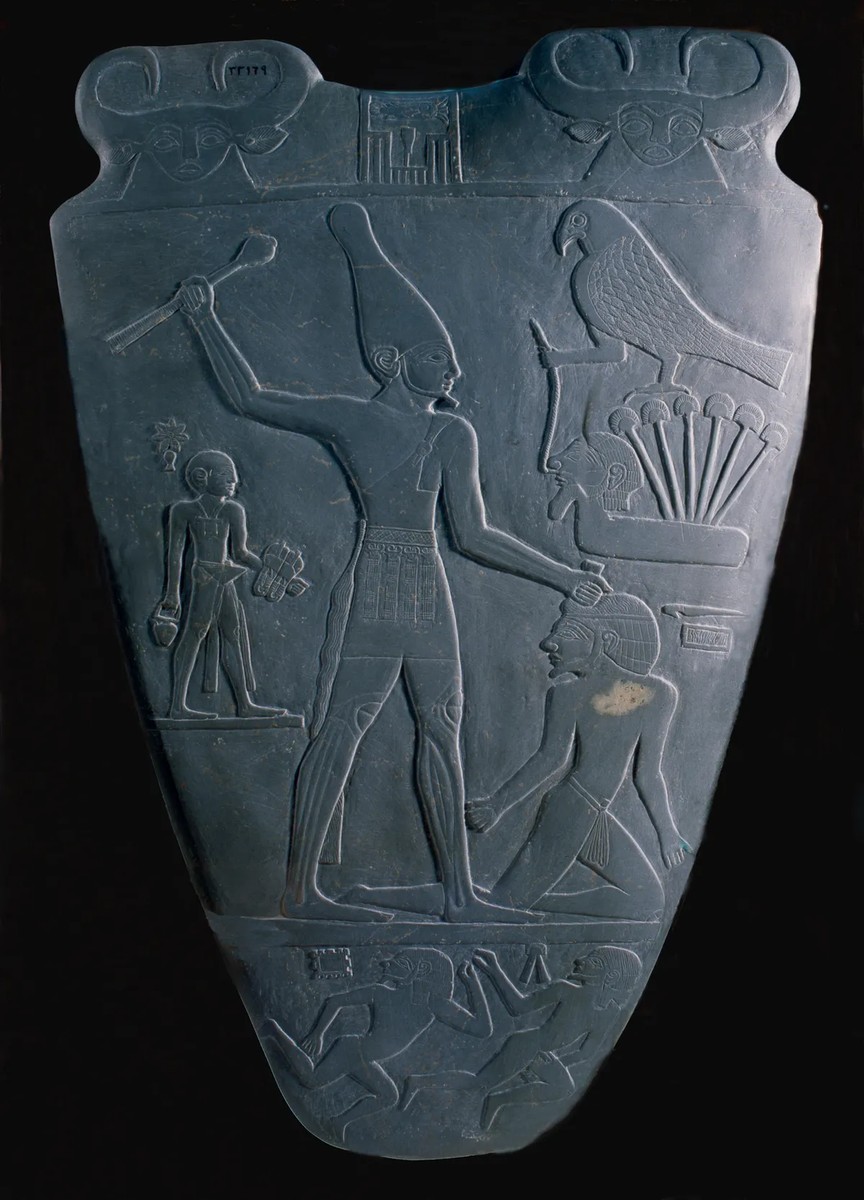


Six Lost Ancient Cities Archaeologists Still Haven’t Found


Introduction: Despite significant progress in locating ancient settlements, many historically important ancient cities remain unfound by archaeologists. We know about their existence from ancient texts, but the exact locations of most of them are unknown. Here are six major centers of civilization that archaeologists have yet to uncover, as Live Science explains. Photos from open sources. Shortly after the United States invaded Iraq in 2003, thousands of ancient tablets appeared on the antiquities market, enabling scientists to determine that about four thousand years ago there existed a city named Irsigrig. From the artifacts found, it is known that the rulers of the city lived in palaces with dogs and kept lions, which were fed meat from cattle. The lion tamers received beer and bread as a reward. The tablets also indicate the existence of a temple to the god Enki, god of wisdom and mischief, where festivals were sometimes held. It is assumed that this city was discovered by looters, as the scientists themselves have not found any traces of settlement. Pharaoh Amenhotep I ordered the construction of a new capital Itdjaoui (Conqueror of the Two Lands). The name literally points to the heavy rule of Amenhotep, which ended with his murder. Nevertheless, Itdjaoui remained the capital of Egypt until the 16th century BCE when the northern part of the country was conquered by the Hyksos. Although the location of Itdjaoui remains unknown, it is believed to be near the Egyptian center of Lisht, where numerous elite tombs, including the pyramid of Amenhotep I, are located. Akkad was the capital of the Akkadian Empire, flourishing between 2350 and 2150 BCE. The empire stretched from the Persian Gulf to Anatolia. At the height of its power, the empire reached a peak under Sargon of Akkad, who lived around 2300 BCE. The most important structure in the city was the temple Eulmesh, dedicated to Ishtar, goddess of war, beauty, and fertility. Despite the significance of Akkad, researchers have yet to locate its site, though they suppose it lay in modern-day Iraq. Al-Yahudu was a settlement within the Babylonian Empire, founded by Jews after Nebuchadnezzar II conquered the Kingdom of Judah in 587 BCE. It is known that the inhabitants preserved their faith and used the name of God Yahweh in their names. About 200 tablets survive, confirming the existence of a Jewish community. Like many lost cities, the location of Al-Yahudu remains unknown, but it is likely to have been near where modern Iraq now stands. It is also probable that the city was found by looters, since the tablets were found on the antique market. Vashshukani was the capital of the Mittani state, existing roughly from the mid-15th century to the early 13th century BCE. The state included the northeast of Syria, southern Anatolia, and the northern part of present-day Iraq. Under the influence of the Hittite kingdom to the north and the Assyrians to the south, the territory gradually shrank. The inhabitants of Vashshukani (Hurrians) spoke their own language, which survives only in written sources. Vashshukani has not yet been found; some historians believe the capital lay in the territory of present-day northeastern Syria. Tinis, located in southern Egypt, existed from the early days of Egyptian history. According to the ancient writer Manetho, the first rulers of united Egypt ruled from Tinis about five thousand years ago. Later, the capital was moved to Memphis, and Tinis became the center of a nomos (an administrative unit) in the Old Kingdom (roughly 26th–22nd centuries BCE). Archaeological excavations show that nearby there were tombs of the nobility and royal family. Tinis has not yet been discovered, but it is believed to lie near Abidos, a well-known burial site of elites of the ancient era. These cities are evidence of humanity's rich cultural heritage, lost to modern researchers. Their search continues, and perhaps one day we will learn more about the lives of our ancestors who inhabited these forgotten cities.
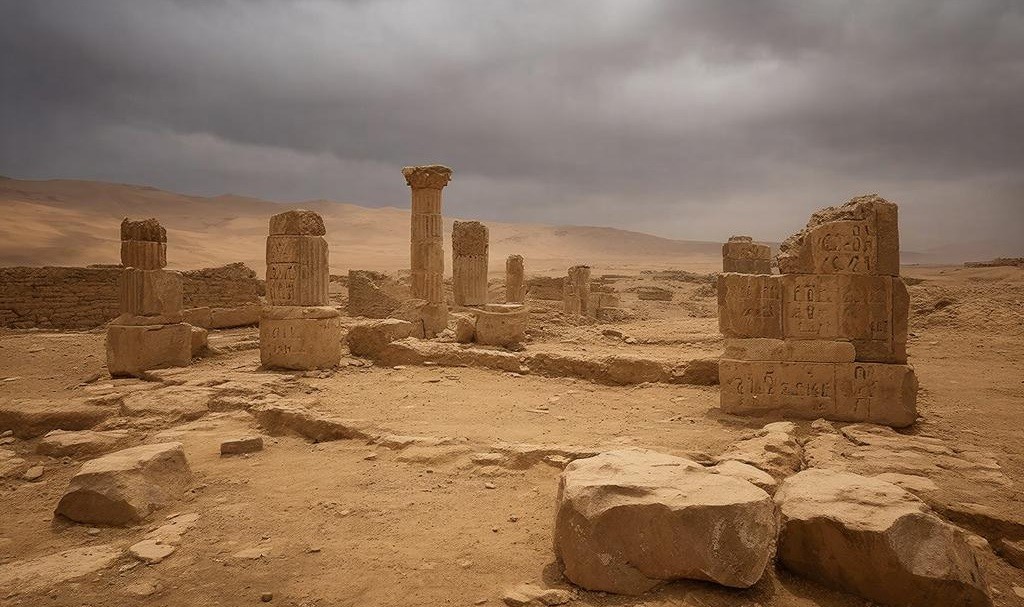
In This Article:
- Irsigrig: Known from tablets found on the antiquities market after the 2003 invasion
- Itjdjaoui: The capital of Egypt whose exact site near Lisht remains unknown
- Akkad: The empire's heart whose location remains undiscovered
- Al-Yahudu: A Jewish outpost with about 200 tablets linked to a community
- Vashshukani: Mittani's capital disappeared with history
- Tinis: An ancient southern Egyptian city tied to the earliest era
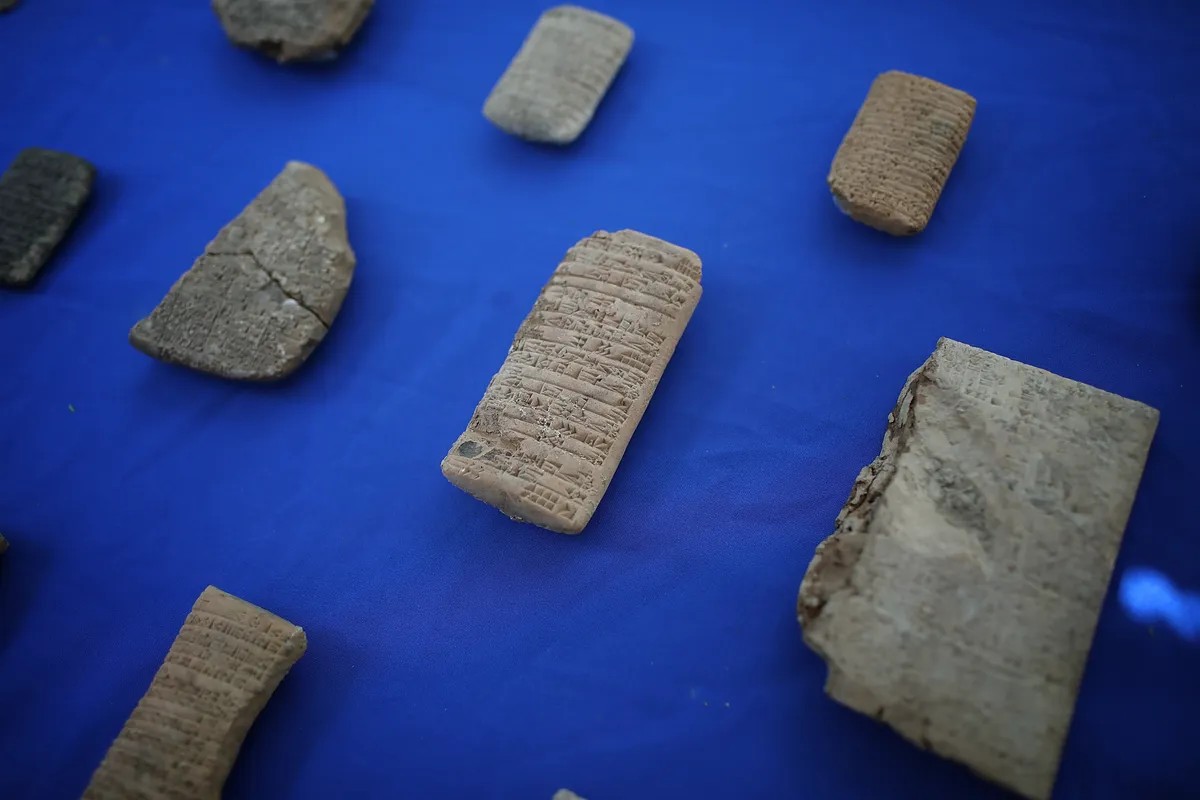
Irsigrig: Known from tablets found on the antiquities market after the 2003 invasion
Shortly after the United States invaded Iraq in 2003, thousands of ancient tablets appeared on the antiquities market, revealing that about four thousand years ago there existed a city named Irsigrig. From the artifacts found, it is known that the rulers of the city lived in palaces with dogs and kept lions, which were fed meat from cattle. The lion tamers received beer and bread as a reward. The tablets also attest to a temple to the god Enki, god of wisdom and mischief, where festivals were sometimes held. It is assumed that this city was discovered by looters, as the scientists themselves have not found any traces of settlement.
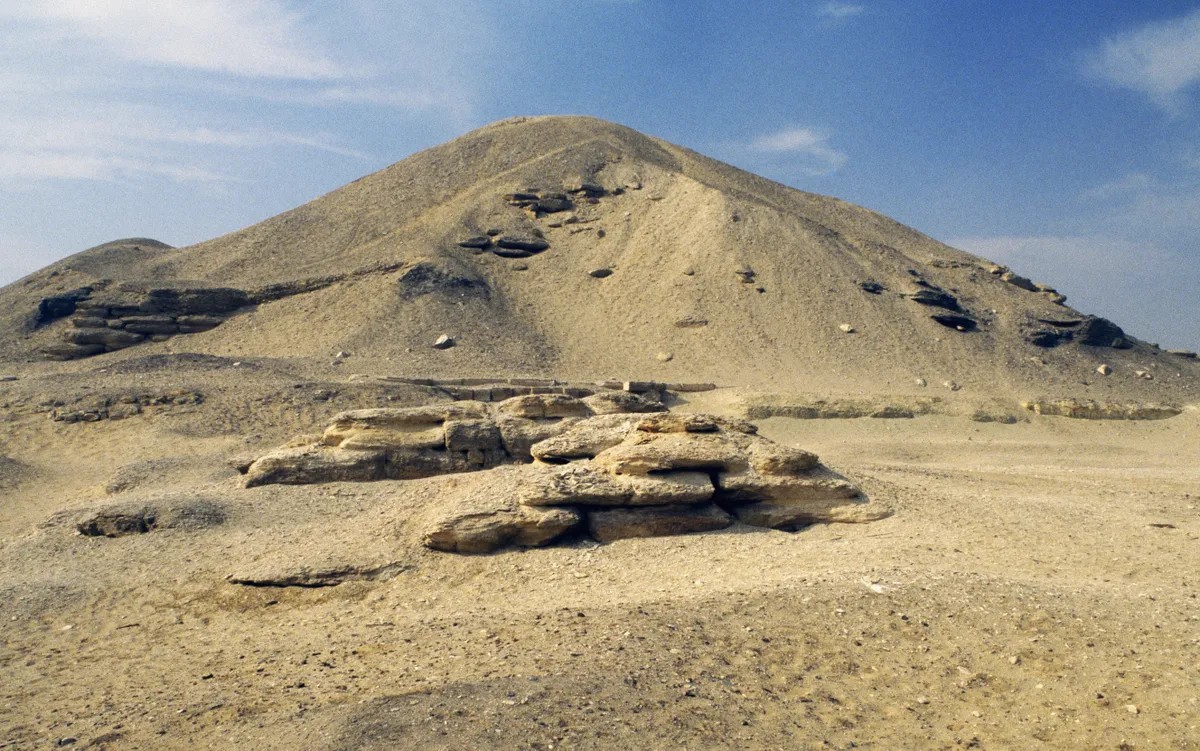
Itjdjaoui: The capital of Egypt whose exact site near Lisht remains unknown
The pharaoh Amenhotep I ordered the construction of a new capital Itdjaoui (Conqueror of the Two Lands). The name literally points to the heavy rule of Amenhotep, which ended with his murder. Nevertheless, Itdjaoui remained the capital of Egypt until the 16th century BCE when the northern part of the country was conquered by the Hyksos. Although the location of Itdjaoui remains unknown, it is believed to be near the Egyptian center of Lisht, where numerous elite tombs, including the pyramid of Amenhotep I, are located.
Akkad: The empire's heart whose location remains undiscovered
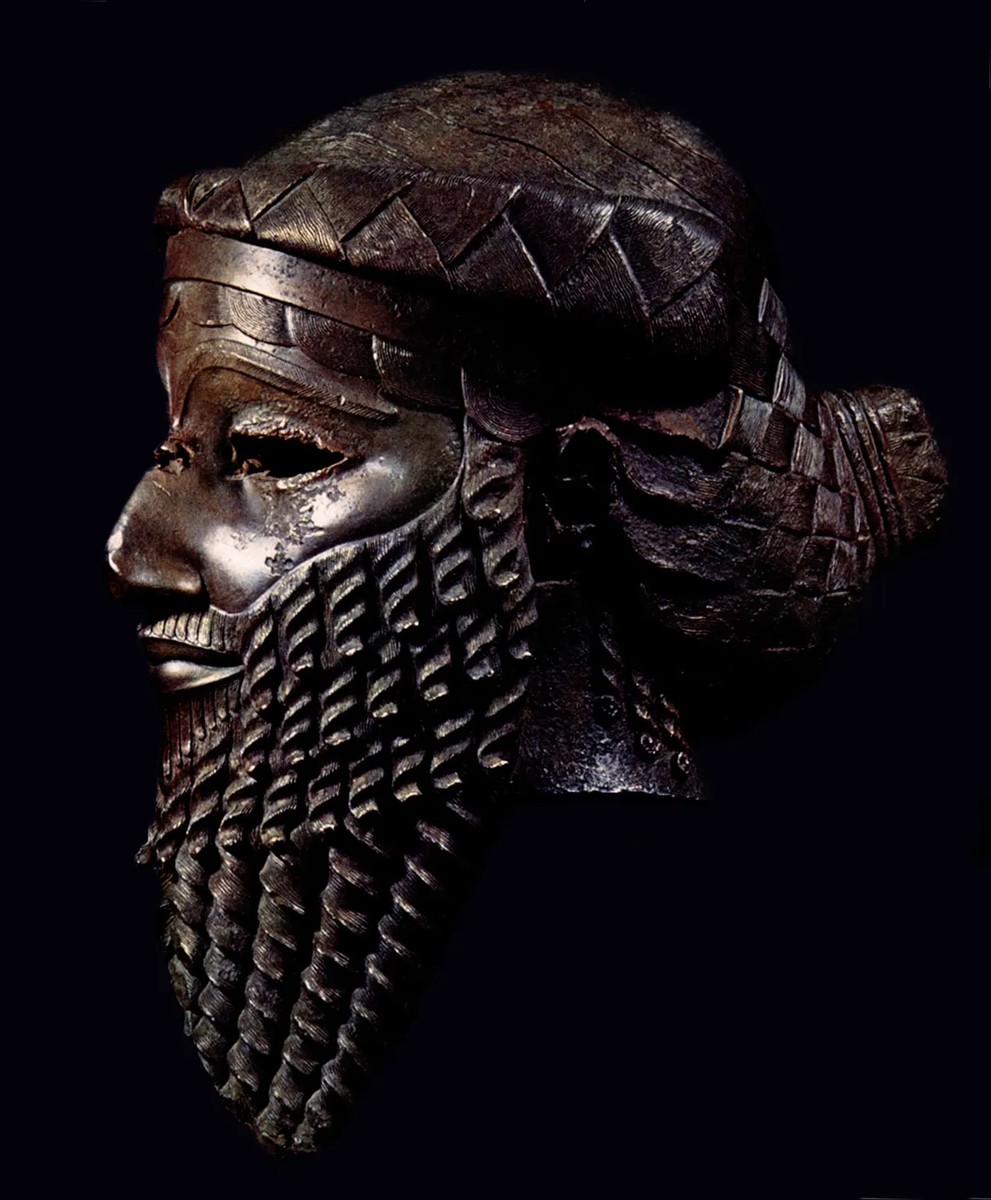
Akkad was the capital of the Akkadian Empire, flourishing between 2350 and 2150 BCE. The empire stretched from the Persian Gulf to Anatolia. At the height of its power, the empire reached a peak under Sargon of Akkad, who lived around 2300 BCE. The most important structure in the city was the temple Eulmesh, dedicated to Ishtar, goddess of war, beauty, and fertility. Despite the significance of Akkad, researchers have yet to locate its site, though they suppose it lay in modern-day Iraq.
Al-Yahudu: A Jewish outpost with about 200 tablets linked to a community
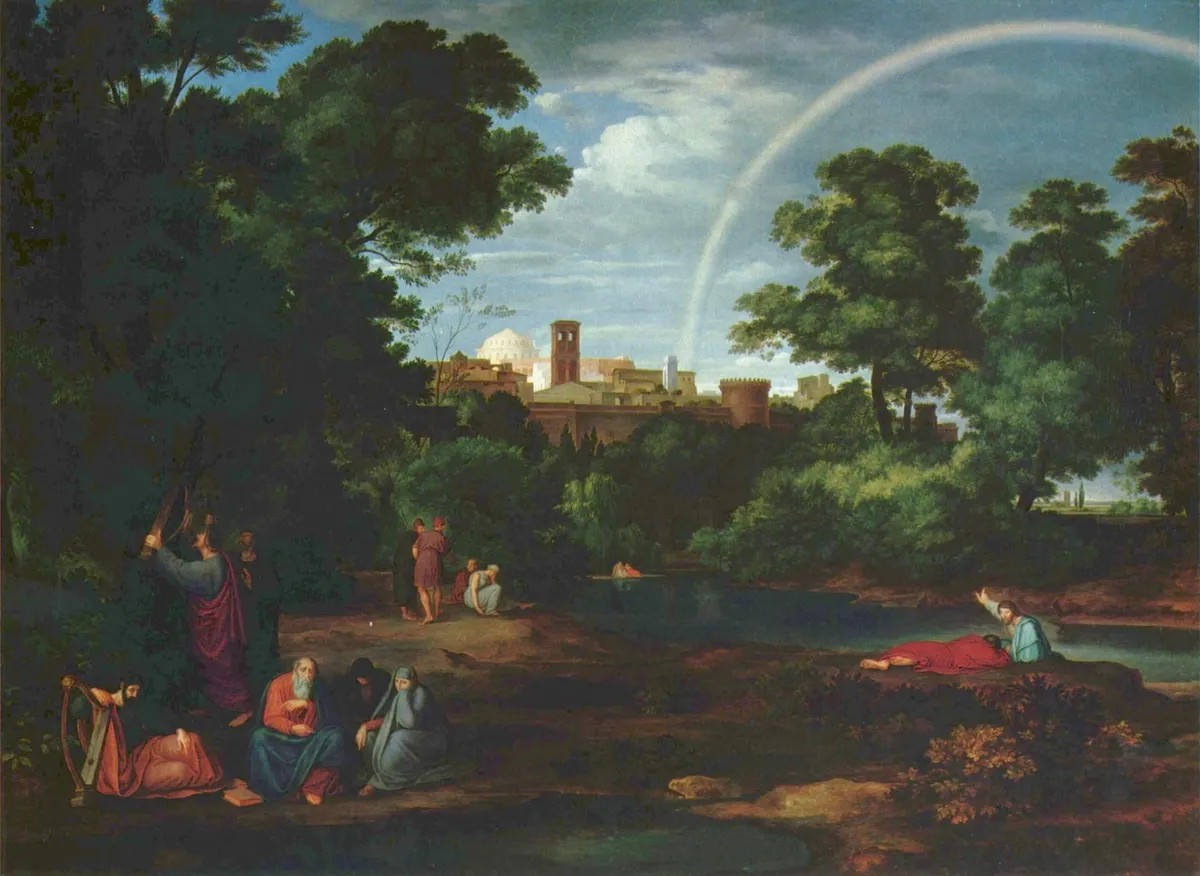
Al-Yahudu was a settlement within the Babylonian Empire, founded by Jews after Nebuchadnezzar II conquered the Kingdom of Judah in 587 BCE. It is known that the inhabitants preserved their faith and used the name of God Yahweh in their names. About 200 tablets survive, confirming the existence of a Jewish community. Like most lost cities, the location of Al-Yahudu remains unknown, but it likely lay near where modern Iraq now stands. It is also probable that the city was found by looters, since the tablets were found on the antique market.
Vashshukani: Mittani's capital disappeared with history
Vashshukani was the capital of the Mittani state, existing roughly from the mid-15th century to the early 13th century BCE. The state included the northeast of Syria, southern Anatolia, and the northern part of present-day Iraq. Under the influence of the Hittite kingdom in the north and the Assyrians to the south, the territory gradually shrank. The inhabitants of Vashshukani (Hurrians) spoke their own language, which survives only in written sources. Vashshukani has not yet been found; some historians believe the capital lay in the territory of present-day northeastern Syria.
Tinis: An ancient southern Egyptian city tied to the earliest era
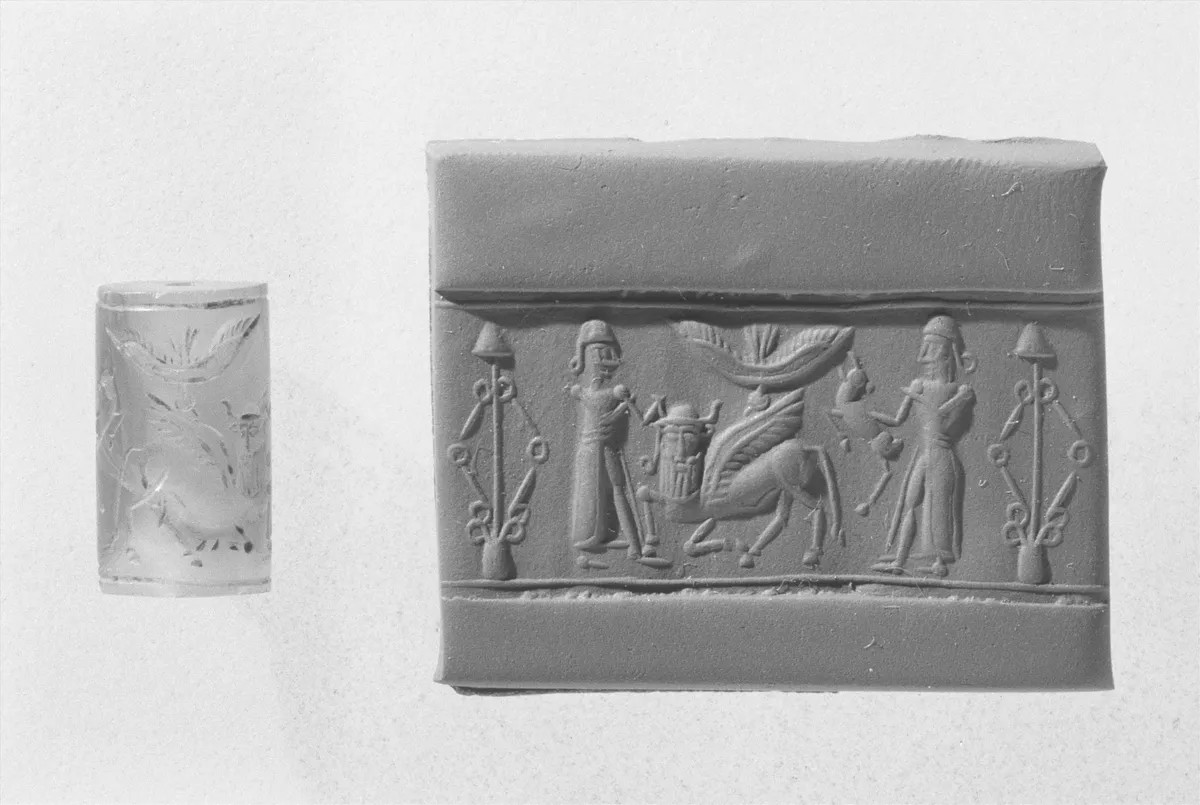
Tinis, located in southern Egypt, existed from the early days of Ancient Egypt. According to the ancient writer Manetho, the first rulers of united Egypt ruled from Tinis about five thousand years ago. Later, the capital was moved to Memphis, and Tinis became the center of a nomos (an administrative unit) in the Old Kingdom (roughly 26th–22nd centuries BCE). Archaeological excavations show that near Tinis were tombs of the nobility and royal family. Tinis has not yet been discovered, but it is believed to lie near Abidos (Abidos), a well-known burial site of elites of the ancient era.