


Voja Antonić Says the Only Way to Beat the Casino Is Not to Enter


Voja Antonić exposes the inside story of gambling, from an engineer’s perspective to a public warning. He speaks as someone who has seen the industry from the inside — as an engineer, a technologist, and a man who understands exactly how these systems are built and why they work the way they do. When you walk into a casino, the first thing you encounter is the illusion of choice: roulette, blackjack, slot machines, and sports betting. In reality, most casino profit comes from a very specific place: slot machines with small bets, not from high-rollers. The machine is not a game; it is an algorithm. Its primary goal is not entertainment, and certainly not fairness. Its goal is to protect the casino’s profit. The machine does not spin and decide; it first checks internal parameters — how much money has been collected, how much is allowed to be paid out according to a preset return percentage — and only then displays a result. The symbols, reels, and near-misses are visual theater. The decision has already been made. One of the most dangerous psychological tricks is the feeling of being “close.” When a player believes they almost won, they are far more likely to continue playing. The near-miss is deliberately designed to create this sensation. They must occasionally pay out; otherwise, no one would play. But those payouts are carefully calibrated — just enough to keep hope alive, never enough to threaten the system. Antonić openly admits that he was once part of this world. He worked on electronics, algorithms, and systems related to gambling machines. Over time, the moral weight became impossible to ignore. He speaks publicly today — not to save those already deeply addicted, but to reach those who still believe they are in control.
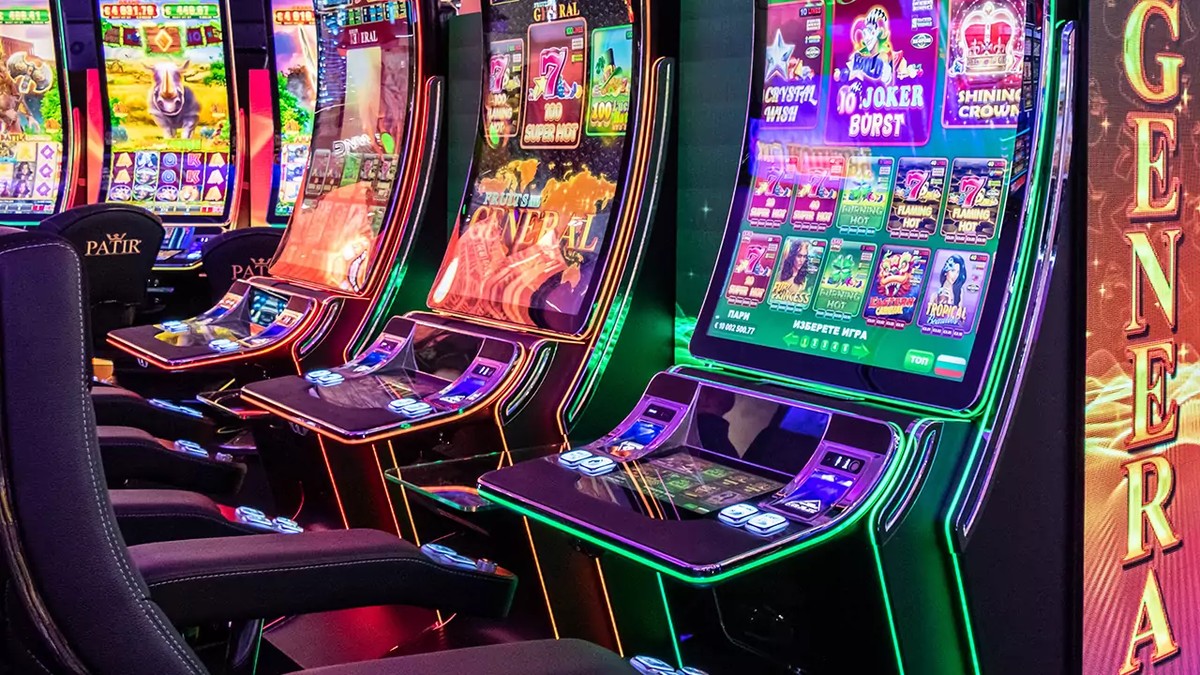
Slot Machines Are Algorithms Designed to Protect the Casino’s Profit
The slot machine is not a game in the traditional sense. It is an algorithm. Its primary goal is not entertainment, and certainly not fairness. Its goal is to protect the casino’s profit. The machine does not “spin and decide.” It first checks internal parameters — how much money has been collected, how much is allowed to be paid out according to a preset return percentage — and only then displays a result. The symbols, reels, and near-misses are visual theater. The decision has already been made. One of the most dangerous psychological tricks is the feeling of being “close.” When a player believes they almost won, they are far more likely to continue playing. Machines are designed to create this sensation deliberately. They must occasionally pay out; otherwise, no one would play. But those payouts are carefully calibrated — just enough to keep hope alive, never enough to threaten the system.

The Human Factor: Belief in Patterns, the Illusion of Control, and the Final Truth
Blackjack is often cited as an exception. Theoretically, it is the only casino game where a player can gain an advantage through perfect strategy and card counting. But theory collapses the moment a human sits at the table. Speed, pressure, emotion, and the urge to recover losses all take over. “If a computer played Blackjack, it could win,” Antonić says. “But a human being is not a computer.” This is where gambling truly becomes dangerous. People begin to believe in systems. Systems for sports betting. Systems for lotteries. Patterns that must appear. But mathematics is unforgiving. Dice have no memory. Balls in a lottery machine do not remember past draws. Previous results have no influence on what happens next. Still, people believe. They believe today is their lucky day. They believe the system will finally work. And slowly, almost invisibly, lives begin to fall apart. Antonić speaks of people he has known personally — marriages destroyed, homes lost, families broken. Not through one dramatic loss, but through years of small bets that eventually added up to everything. One of the most striking moments in the conversation is his metaphor of an “honest guard” at the casino entrance. Instead of letting people inside, the guard would say: “Give me 20% of your money and go home. The outcome will be the same.” The difference is that casinos sell something far more powerful than money: illusion. Excitement. Hope. Antonić openly admits that he was once part of this world. He worked on electronics, algorithms, and systems related to gambling machines. Over time, the moral weight became impossible to ignore. That is why he speaks publicly today — not to save those who are already deeply addicted, but to reach those who still believe they are in control. His final conclusion is neither comforting nor popular. It is simple, direct, and brutal: You cannot beat the casino. You only win if you never enter.