


The World of Tomorrow Futurologist Reveals Breakthroughs Set to Change Our Lives by 2050 Including a Space Elevator


Bioprinted organs, a space elevator and robot roommates might sound like science fiction – but they could become reality by 2050. That’s according to futurologist Tom Cheeswright, who has predicted the most exciting breakthroughs set to improve our lives by the middle of the century. He has joined forced with astrophysicist Dr Alastair Reynolds to come up with the most impressive innovations that could soon become part of our everyday. This also includes custom-made retinas, a diet focused on lab-grown meats and insects and the death of the smartphone. ‘It’s become fashionable to bemoan a future dominated by AI, robotics and relentless technological change, but really, we have a lot to look forward to,’ Mr Cheesewright said. ‘When you take a step back and look at the progress we’ve made so far in the 21st century, from decoding the human genome to renewable energies becoming the fastest-growing power sources, it’s clear that human ingenuity has the power to outpace pessimism. ‘Across every industry, from healthcare and housing to retail and travel, we’re seeing the early signs today of breakthroughs that promise to change our lives for the better. ‘If we back these bold ambitions, harness these innovations, the next 24 years have the potential to be the greatest era of human progress in our long history.’ So, what are some of the breakthroughs we can expect? The team predict healthcare will be revolutionised as 3D bioprinters create organs using patients' own cells The team believe that our healthcare system will look radically different to how it does today. Would you use a bioprinted body part? The shift from treatment to prevention will result in people living longer, healthier lives, they explained. But new technologies will have vastly improved treatment capabilities as well. Ready access to 3D bioprinters will see complex organs like kidneys, livers or even eyes produced using patients’ cells, with zero rejection risks and no waiting times for matching donors. Meet Tomorrow, the team’s project, is designed to inspire and uplift people by getting them excited about the future.
In This Article:
- 3D Bioprinted Organs Created From Patients’ Own Cells
- The World’s First Space Elevator Aims to Carry Cargo and Passengers into Orbit
- Android Assistants and Robot Rooms: Affordable Help and Companions at Home
- Meat Consumption Shifts Toward Lab-Grown Meat and Insects
- End of the Smartphone Era: Smart Glasses and Hidden Home Screens
- Gamer Health Warning A Cautionary Vision for the Future
3D Bioprinted Organs Created From Patients’ Own Cells
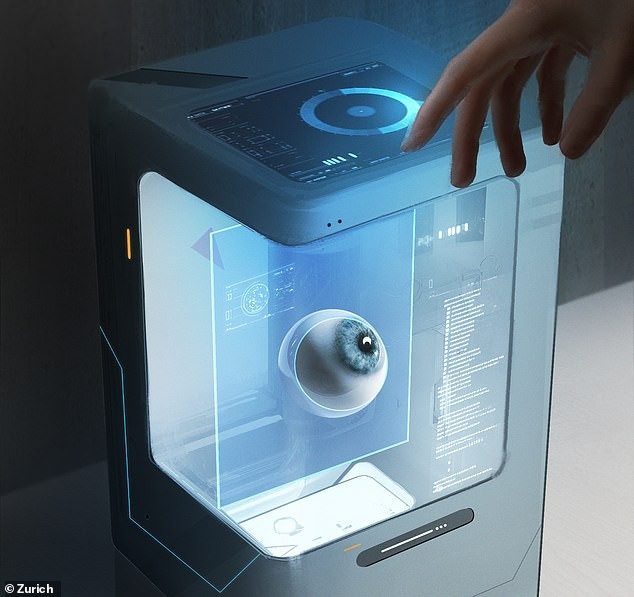
The team predict healthcare will be revolutionised as 3D bioprinters create organs using patients' own cells. Ready access to 3D bioprinters will see complex organs like kidneys, livers or even eyes produced using patients’ cells, with zero rejection risks and no waiting times for matching donors. Would you use a bioprinted body part? The shift from treatment to prevention will result in people living longer, healthier lives, they explained. But new technologies will have vastly improved treatment capabilities as well.
The World’s First Space Elevator Aims to Carry Cargo and Passengers into Orbit
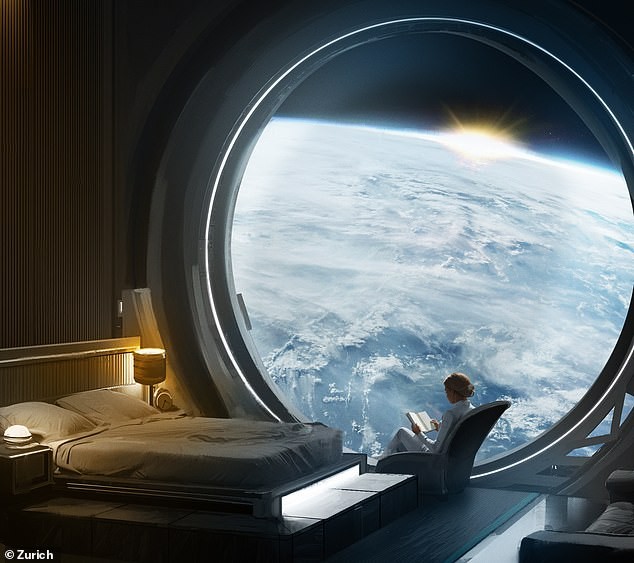
‘The next frontier of space travel and exploration will see the construction of the world’s first space elevator, a towering structure with the dual purpose of carrying both cargo and passengers into orbit,’ they said. ‘Quieter, cleaner and less dramatic than a rocket ship, the eventual ascent will take a couple of weeks, offering a sustainable way to escape Earth’s pull, with unparalleled views along the way.’ They say the space elevator would offer a 'sustainable way to escape Earth’s pull, with unparalleled views along the way’

Android Assistants and Robot Rooms: Affordable Help and Companions at Home
Back on Earth android assistants will become affordable and commonplace, taking care of household chores and even providing companionship, they predict By 2050, robot roommates will have reached a level of utility and fallen to a price point that will make them common, if not ubiquitous, in British homes, the team predict. Designed to be compact and easy to store when not in use, they will assist with basic household tasks like washing and folding clothes, taking out rubbish and cleaning. With advanced AI, these roommates will go beyond manual labour, offering company to those looking for conversation or collaboration.
Meat Consumption Shifts Toward Lab-Grown Meat and Insects
The experts believe that the rate we eat meat will continue to fall as alternative sources of protein become more common, and the remaining carnivores opt for quality over quantity. Lab-grown meat will be cheap enough, and tasty enough, to be viable for those hoping to reduce meat consumption on ethical grounds. Meanwhile, they predict insects will also become a part of many menus. While we are unlikely to shift to eating them whole anytime soon, in a powdered form, they provide a good source of protein and add a nutty flavour to pasta and bread.
End of the Smartphone Era: Smart Glasses and Hidden Home Screens
Perhaps most surprisingly, the smartphone era will end, they say. Smart glasses will replace handheld devices, while ultra-thin screens will blend seamlessly into our homes, turning walls into high-resolution displays ‘It might be hard to imagine now, but we’re standing at the edge of the last era of handheld devices,’ they said. ‘In the next 25 years, smart glasses will become the dominant tool used for seeing and communicating with the world around us. Screens around the house will also continue shrinking until they are barely noticeable, with TVs becoming as thin as wallpaper, painted onto surfaces without sacrificing a single pixel of ultra-high-resolution clarity.’ ‘Smartphones, streaming, video calls, digital assistants were all science fiction just 25 years ago at the turn of the millennium, and yet they have all become part of our everyday lives,’ Dr Reynolds, who is also a sci-fi writer, said. ‘Change is inevitable, which makes looking forward to the middle of the century a tantalising prospect for any writer.’
Gamer Health Warning A Cautionary Vision for the Future
He's got bloodshot eyes, a dented skull and blistered hands — and in twenty years, you'll be just like him if you don’t take care of yourself when gaming, experts warn. Michael — the pallid and hunchbacked video game player of the future — is a grotesque model that shows how hunching over consoles might affect avid gamers. This cautionary vision was cooked up by researchers based on globally-sourced reports on the physical impacts of the gamer lifestyle. The team propose a number of strategies for gamers to take better care of themselves — including regular stretching, eating well and staying hydrated. Coronavirus self-isolation has led to a boom in online gaming, with gamers spending almost 19 per cent more time on average playing, experts report. Despite opposition from academics and the industry, the World Health Organization now recognises video game ‘addiction’ as an official psychological disorder. To design Michael, researchers reviewed reports by such organisations at the National Health Service, the World Health Organisation, the National Geographic and UK interactive entertainment on the potential effects of the gamer lifestyle