


The spark and the scale: protests spread to 348 towns in 31 provinces


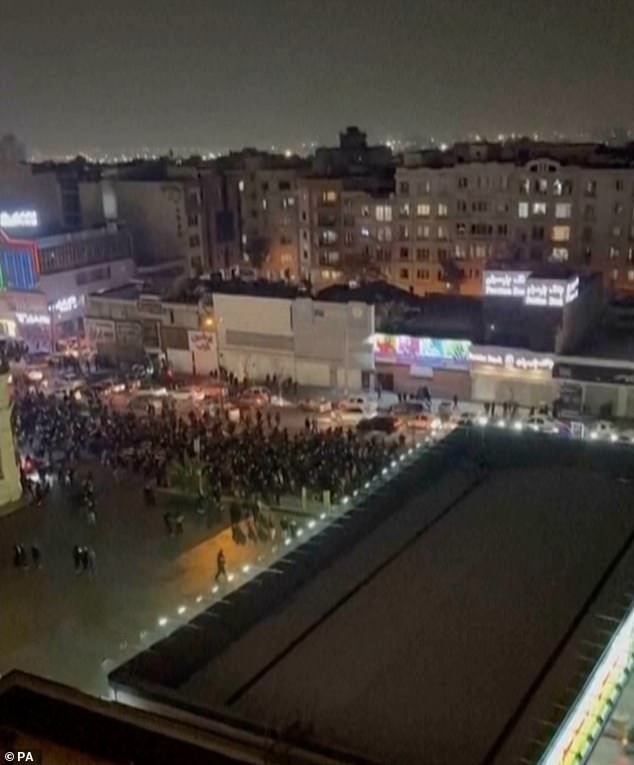
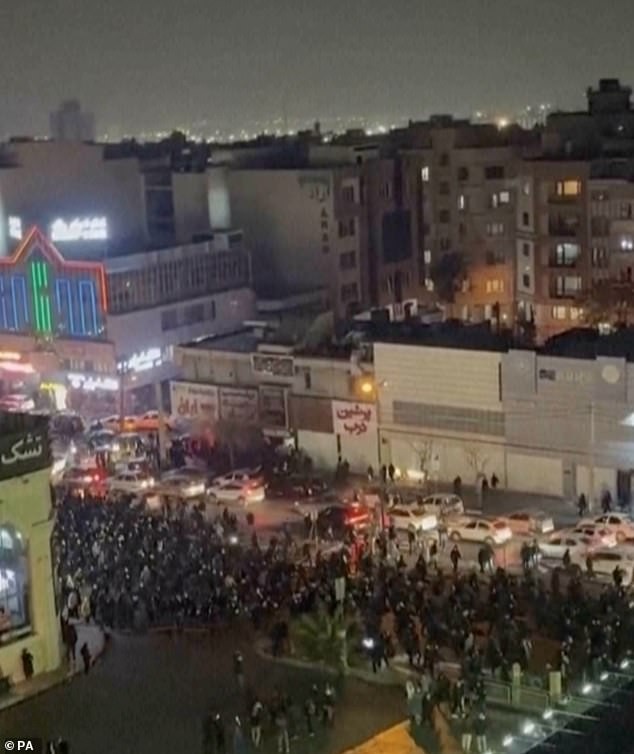
The movement, which began in Tehran in late December after the value of the Iranian rial plunged to record lows, has rapidly advanced across the country and is now being marked by larger-scale demonstrations in 348 towns and cities across all 31 of Iran's provinces.
In This Article:
The regime under pressure as Khamenei speaks and Trump warns
Ayatollah Ali Khamenei, already battling an economic crisis after years of sanctions and recovering from the June war against Israel, is deeply rattled as they are the biggest and most sustained the country has seen in years. Speaking to supporters in his first comments on the escalating protests since January 3, Khamenei said Trump's hands 'are stained with the blood of more than a thousand Iranians' and predicted the 'arrogant' US leader would be 'overthrown' like the imperial dynasty that ruled Iran up to the 1979 revolution. Trump threatened yesterday to take severe action against Iran if its authorities 'start killing people', warning Washington would 'hit them very hard'.
Bloodshed and the crackdown tally
According to the Norway-based NGO Iran Human Rights, Iran's security forces had murdered at least 45 people, including eight children, since protests began. It added that Wednesday was the bloodiest day of demonstrations, with 13 protesters confirmed to have been killed in a single day. "The evidence shows that the scope of the crackdown is becoming more violent and more extensive every day," said IHR director Mahmood Amiry-Moghaddam, adding that hundreds more have been wounded and more than 2,000 arrested. Iranian media and official statements have reported at least 21 people, including security forces, killed since the unrest began.
Internet blackout and information clamps
As protests roiled cities across the country, online watchdog Netblocks said on Thursday that 'live metrics show Iran is now in the midst of a nationwide internet blackout'. Alex Vatanka, director of the Iran Program at the Middle East Institute in the US said the Iranian clerical system had survived repeated protest cycles by repression and tactical concessions but the strategy was reaching its limits. 'Change now looks inevitable; regime collapse is possible but not guaranteed,' he said. Protests raged well into the night on Thursday as authorities cut internet access and the death toll from a crackdown mounted.
Exiled opposition and regional responses
Reza Pahlavi, the son of the shah ousted by the 1979 Islamic revolution and a key exiled opposition figure, urged more major protests on Thursday. Iraq-based Iranian Kurdish opposition parties called for a general strike on Thursday in Kurdish-populated areas in western Iran.
Protests widen to symbols, slogans and education
Demonstrations continued with protesters in Kuhchenar in the southern Fars province were seen cheering overnight as they pulled down a statue of the former foreign operations commander of the Revolutionary Guards, Qasem Soleimani, who was killed in a US strike in January 2020. Demonstrators are repeating slogans against the clerical leadership, including 'Pahlavi will return' and 'Seyyed Ali will be toppled', in reference to Khamenei. The movement has also spread to higher education, with final exams at Tehran's major Amir Kabir university postponed for a week, according to ISNA news agency.
Official restraint calls and international response
Iran's President Masoud Pezeshkian on Thursday called for 'utmost restraint' in handling demonstrations, saying that 'any violent or coercive behaviour should be avoided'. German Foreign Minister Johann Wadephul, meanwhile, condemned the 'excessive use of force' against protesters.