


The Pigment in Red Hair Has a Secret Superpower We Never Knew About


A pigment in orange-to-red hair may have a secret superpower: it can turn a toxic threat into a splash of color. The pigment, pheomelanin, contributes to orange-to-red tones in feathers and hair, and its production requires the amino acid cysteine. When too much cysteine accumulates in cells, it can cause oxidative damage. Researchers at Spain's National Museum of Natural Sciences say that humans with genetic variants for red hair may have cells that can convert excess cysteine from the diet or environment into pigment. Using zebra finches as a model, the team explored the idea that pheomelanin could play a protective role in cellular health. The study further suggested that the very process of making pheomelanin might help balance cysteine levels rather than letting them run amok.

Pheomelanin Protects Cellular Health in Zebra Finches
In one line of findings, zebra finches were used as a model to show that pheomelanin can play a protective role in cellular health. In the experiments, male finches that couldn't make pheomelanin showed higher levels of oxidative damage when fed excess cysteine for a month than those that could produce the pigment. Female zebra finches do not naturally produce pheomelanin and were unaffected by the drug that blocks its production; however, they did show signs of slightly higher oxidative damage when fed extra cysteine compared with females not given extra cysteine, though the difference was considered insignificant. Together, these outcomes suggest that excess cysteine contributes to cellular damage and that pheomelanin production can protect against some of that damage.
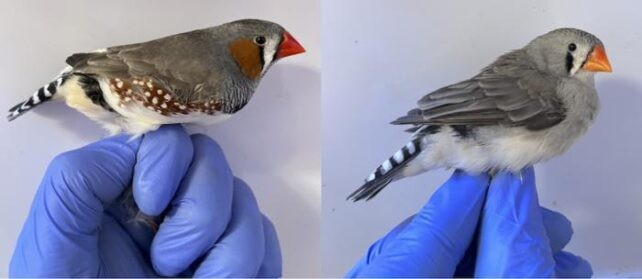
Pheomelanin in Humans and Melanoma Risk
In humans, pheomelanin production is concentrated in the lips, nipples, and genitals, but redheads also have it in their hair and skin. Pheomelanin is associated with an increased risk of melanoma, but it's not all bad news. Based on their findings, the researchers think that the genetic variants that promote pheomelanin production are probably helping cells keep cysteine levels balanced, using the excess cysteine to make pheomelanin. "These findings represent the first experimental demonstration of a physiological role for pheomelanin, namely avoiding the toxicity of excess cysteine, leading to a better understanding of melanoma risk and the evolution of animal coloration," write the study authors. The study was published in PNAS Nexus.