

The Hidden Alarm Inside Your Body


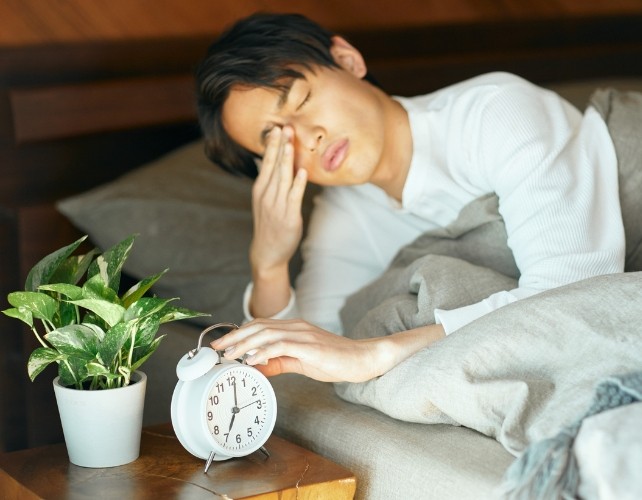
You've probably experienced it — your alarm is set for 6:30 a.m., yet somehow your eyes snap open a few minutes before it goes off. There's no sound, no external cue, just the body somehow knowing it's time. This isn't luck. It's your body clock at work — an astonishingly precise internal timing system that regulates when you sleep and wake. But how exactly does this built-in alarm clock work? Deep in the brain lies a small cluster of neurons called the suprachiasmatic nucleus, often referred to as the body's 'master clock'. These neurons keep track of time by coordinating internal rhythms such as circadian rhythm (aligned with the 24-hour day) to regulate things like sleep, body temperature, hunger and digestion. Related: Humans Used to Sleep Twice Every Night. Here's Why It Vanished.

In This Article:
The Master Clock and Circadian Rhythm
The circadian rhythm influences when we feel sleepy and alert each day. Our bodies set the master clock naturally, and it is completely normal to see variation in the timing of when people prefer to sleep and be awake. Have you ever wondered why some people are 'morning people', preferring to catch the sunrise and hit the pillow early at night, and others are 'night owls', staying up late and sleeping till mid-morning? This is because of differences in their circadian rhythm.

A Rehearsed Wake How Your Body Prepares Before Your Alarm
Regular sleep and wake, meal and exercise routines program our master clock so it starts to predict when these behaviours will happen each day and begin releasing related hormones accordingly. For example, when we wake up in the morning, we experience a phenomenon known as the 'cortisol awakening response'. This is a significant spike in cortisol – a hormone thought to help us prepare for the day and feel energised. For people who have very consistent rise times and morning light exposure, the master clock learns when they usually get up. Well before their alarm sounds, it gently prepares the body: the temperature rises, melatonin (a sleepiness hormone) levels fall, and cortisol levels start to climb. By the time their alarm is due, the body is already transitioning into wakefulness. Think of it as a sort of hormonal wake-up call.

Building a Rhythm Sleep Hygiene and Practical Strategies
If you often wake a few minutes before your alarm and feel alert and rested, it's a sign your circadian rhythm is finely tuned. Your body clock has learned to anticipate your routine and help you transition smoothly from sleep to wakefulness. However, if you wake before your alarm but feel groggy or restless, it might signal poor sleep quality rather than a well-synced rhythm. Having a regular bedtime and awakening schedule helps train the body's internal clock, especially when it stays aligned with natural cues in your environment, such as changes in light and temperature throughout the day. Related: One Form of Exercise Can Improve Sleep Long Term, Study Finds. This will make it easier to fall asleep and wake up feeling refreshed. A regular sleep-wake schedule will help your body 'keep track of time' and can teach the body to predict when it's time to wake up. On the other hand, an irregular sleep schedule can confuse these internal bodily rhythms, leading to drowsiness and difficulty concentrating and performing mental tasks. Without a consistent sleep pattern, the body will rely on an alarm to wake up, potentially waking you in deeper stages of sleep and leaving you with that groggy feeling (known as sleep inertia). In that case, reviewing your sleep hygiene and making small changes to your habits can realign your body's internal clock, helping you wake naturally and feel truly rested. Stress and anxiety can increase levels of cortisol – the same hormone that naturally increases in the morning to help you wake up – making it harder to stay asleep or triggering early awakening. Anticipation of exciting events can also make it difficult to sleep, as a high state of arousal makes your brain stay alert, leading to lighter sleep and premature awakenings. These situations are common and are normal from time to time; however, they may cause longer-term sleep problems if they happen too often.