


The Brain Has Five Ages Not Seven Scientists Reveal the Five Epochs of Our Minds


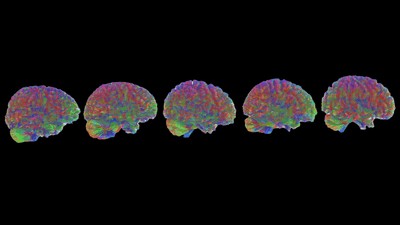
Shakespeare spoke of seven ages of man, but scientists say the brain itself lives in five epochs. A new study of brain scans from nearly 4,000 people—from newborns to 90-year-olds—identifies four turning points that divide the lifespan into five periods. The turning points occur at ages 9, 32, 66, and 83. “We know the brain’s wiring is crucial to our development, but we lack a big picture of how it changes across our lives and why,” said lead author Dr Alexa Mousley of the University of Cambridge in a statement. “This study is the first to identify major phases of brain wiring across a human lifespan.”
In This Article:
- Infancy and Early Childhood Laying the Brain’s Foundations
- Turning point at age 9 marks the start of adolescence
- Age 32 the strongest topological turning point
- Adulthood 32 to 66 the longest phase
- Around age 83 the brain’s final age
- Why this five-age map matters for health
- The study’s publication and what it means
Infancy and Early Childhood Laying the Brain’s Foundations
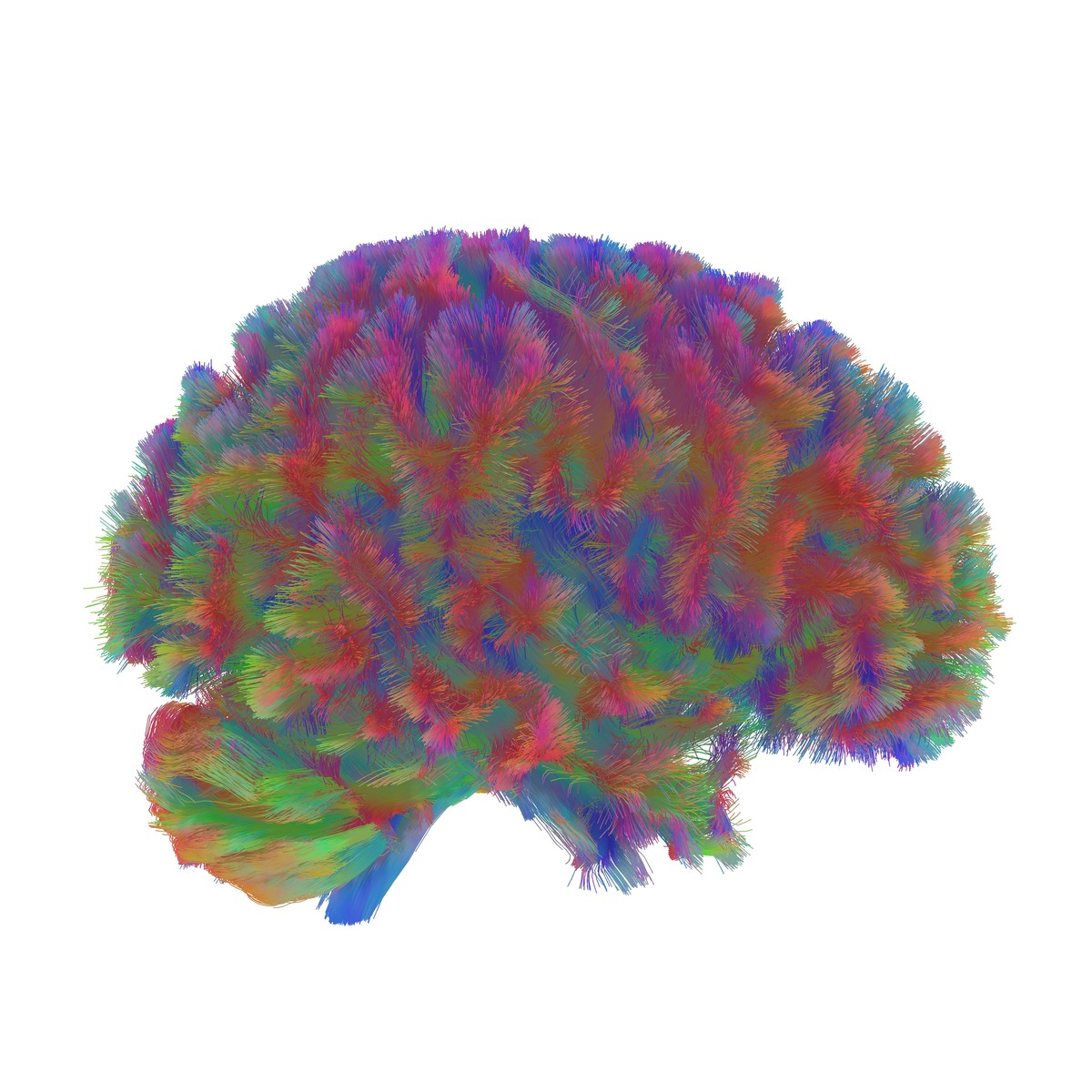
During infancy and early childhood, our brains are busy laying the foundations for the rest of our development by making scores of connections – synapses – between neurons and then later whittling them down so only the most important remain. At the same time, gray and white matter volume increases and the wrinkles on the outer surface of the cortex form and stabilize.
Turning point at age 9 marks the start of adolescence
The first turning point the team identified at age 9 heralds the beginning of the “adolescence” epoch, where white matter continues to increase and in-brain communication becomes more refined. Cognitive performance increases, but so too does the risk of developing mental health disorders. The maelstrom of hormones flooding the body at the onset of puberty has an impact on the brain too.
Age 32 the strongest topological turning point
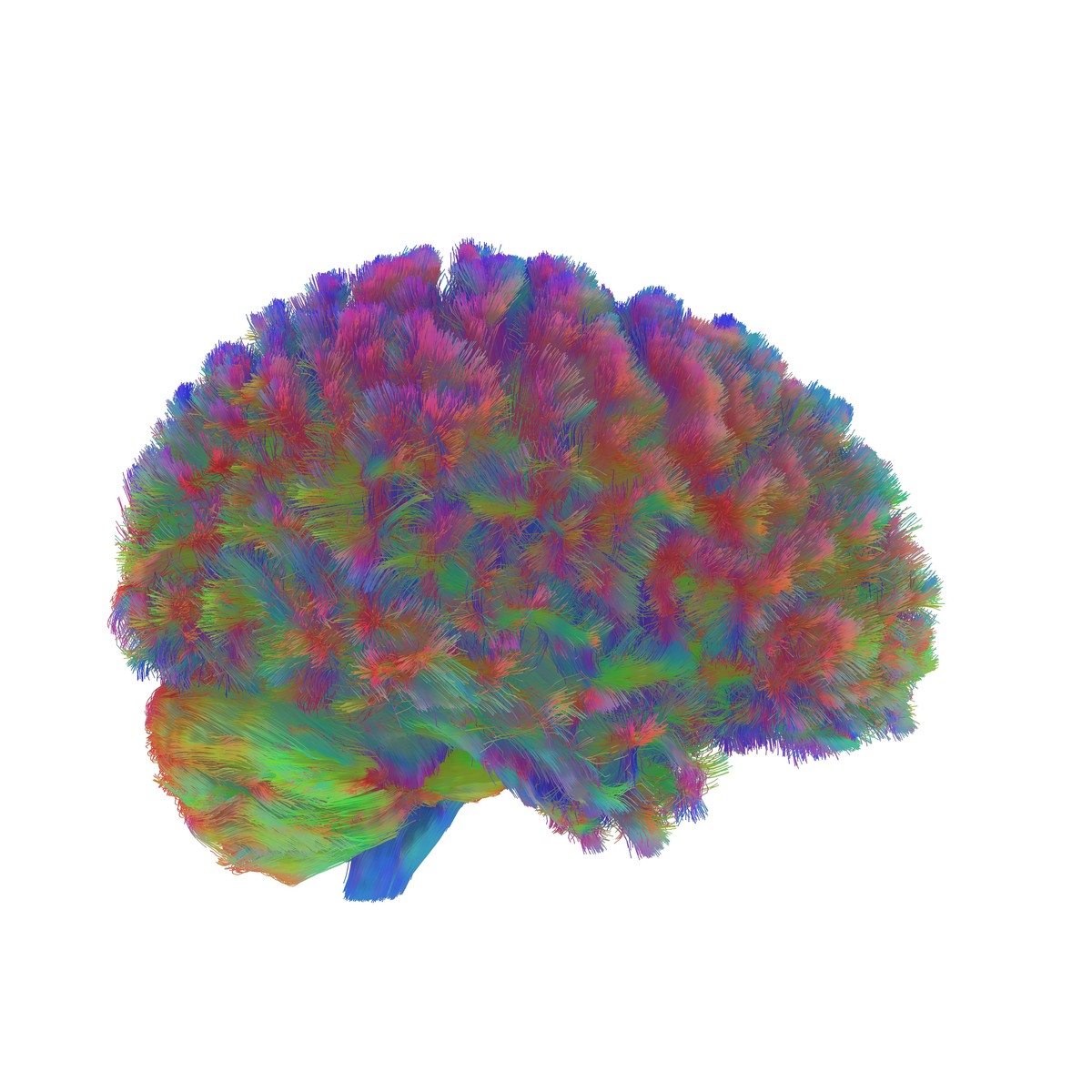
This reaches its apotheosis as we approach 32 years of age, the “strongest topological turning point” according to the team. “While puberty offers a clear start, the end of adolescence is much harder to pin down scientifically. Based purely on neural architecture, we found that adolescent-like changes in brain structure end around the early thirties,” said Mousley.
Adulthood 32 to 66 the longest phase
The period between 32 and 66, adulthood, is the longest, during which an individual’s intelligence and personality are effectively settled. At 66, there are no massive structural changes, but brain networks do appear to reorganize. “This is probably related to aging, with further reduced connectivity as white matter starts to degenerate,” Mousley explained. This is also when health conditions such as hypertension may start to cause damage to the brain.
Around age 83 the brain’s final age
Finally, around age 83, the final age of the brain is entered as whole-brain connectivity begins to decline even further, and individual brain regions operate more as siloes. “Understanding that the brain’s structural journey is not a question of steady progression, but rather one of a few major turning points, will help us identify when and how its wiring is vulnerable to disruption,” said senior author Professor Duncan Astle.
Why this five-age map matters for health
It’s not just an interesting biological factoid; understanding how the brain changes with age is vital to better understand how different neurological and psychiatric disorders work. “Many neurodevelopmental, mental health and neurological conditions are linked to the way the brain is wired. Indeed, differences in brain wiring predict difficulties with attention, language, memory, and a whole host of different behaviours,” said Astle. “Looking back, many of us feel our lives have been characterised by different phases. It turns out that brains also go through these eras.” He may not have got the number quite right, but from a neuroscience perspective, Shakespeare was definitely onto something.
The study’s publication and what it means
The study is published in Nature Communications.