


Prostitutes, Crack Cocaine Addicts and Heartbreaking Homelessness — Returning to London After a Year in the Countryside Shows a City in Collapse


At first glance, it looked like a domestic argument at a bus stop. But as I drew closer, I realised this was no ordinary couple – and they weren't quarrelling about whose turn it was to unload the dishwasher. A woman in a tightly belted coat was screaming in the face of an elderly man cowering in front of her. Then she started beating him with the back of her open hand, until – terrified and guilty – he reached inside his overcoat for his wallet. As I stopped to see if they were all right, I noticed her bare, scuffed legs, the smudged make-up smeared across a pock-marked face covered in sores and soon realised what was happening. She was a prostitute, he was her client. He looked over at me, gave a leering thumbs up. And I walked on.
In This Article:
A Second Street Scene: Drugs and a Return Home
Seconds later, I saw another young woman in high heels apparently on her way to work but lingering on a street corner, checking her phone. Within moments a hooded man on an L-plated moped arrived and handed over a package of drugs in a small plastic bag. She wasn't on her way to work at all. She'd been on her way back home – and the package was what she'd been working for.
Tents, Ties and the Morning Busyness: A City in Transition
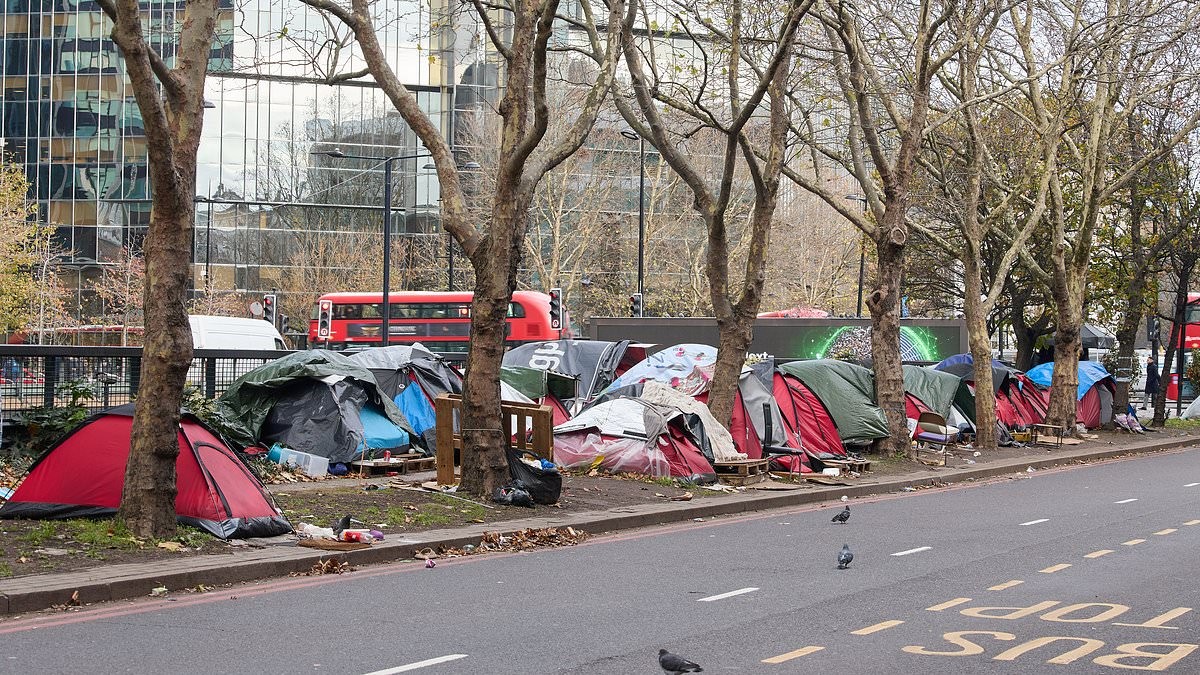
Tents and wooden pallets clutter the pavement next to the busy Euston Road in north London Squalid tents line a path in Hyde Park, supposedly one of London's scenic attractions So far so normal, perhaps. This is London, after all. Yet it was only 7 a.m. and I was walking through the Hyde Park estate, an affluent, tree-lined neighbourhood packed with hotels. At other times on this same walk to work, I've seen people openly smoking crack cocaine. One was in full view. Another at least had the shame to hide behind a bus shelter and surround herself with a protective fortress of plastic bags. Has London got worse since you last visited? To Londoners, such scenes are, sadly, commonplace. So, why do I find them shocking? The answer is that I've been away for a year, having just had a child. After a long spell in the countryside with a small baby for company, living in a delightful, occasionally dull village, I'd approached my return from maternity leave with excitement, writes Amanda Williams The London of my memory (or imagination) does not exist, and even in the short year I have been away from it, has changed beyond recognition I dash towards Hyde Park, past bewildered American tourists as they blink in the grey light while wheeling their suitcases out of hotels and Airbnbs, and watch as it dawns on them that they've paid upwards of £200 a night to stay near what seems to be a migrant hotel on a street where prostitutes pick up their drugs. On a bench in the shadow of Kensington Palace – the London home of Kate and William – an elderly figure sleeps bolt upright, covered with a duvet, next to a haunting little pram stuffed to the brim with old papers and plastic bags. What has happened to this city?
A City on the Edge: Homelessness, Drugs and the Oldest Profession Revisited
I know homelessness is not new. Neither are drugs. Prostitution, as we know, is the oldest profession in the world. But seeing it with fresh eyes, I'm struck by just how visible the societal collapse is now – and how much further it has disintegrated since I was last here. It's well-known that so-called 'tent cities' have sprung up around the shopping and tourist districts of the West End. Yet central London itself is one big mess of American candy stores, vape shops: empires of c**p selling knock-off Harry Potter merchandise. Throw in the incessant roadworks, the stink of marijuana on every street, the lack of civic pride, community, cohesion... Not a working day goes by without me being grateful I can get out of this disaster of a city and back to my tiny rural home away from it all. Back to lovely, kind neighbours who know my name, ask about my day and tell me when to put my bins out. I realise how privileged I am to have the choice – that I can get the hell out of Dodge when I want and need to. It's the people who don't have that luxury that I feel sorry for. London might be open to all, as the Mayor, Sadiq Khan, likes to trumpet. But who on earth wants to go there now? Certainly not me.