

Prophecy from apocalyptic 'messiah' warns death will be so widespread that even birds won't escape


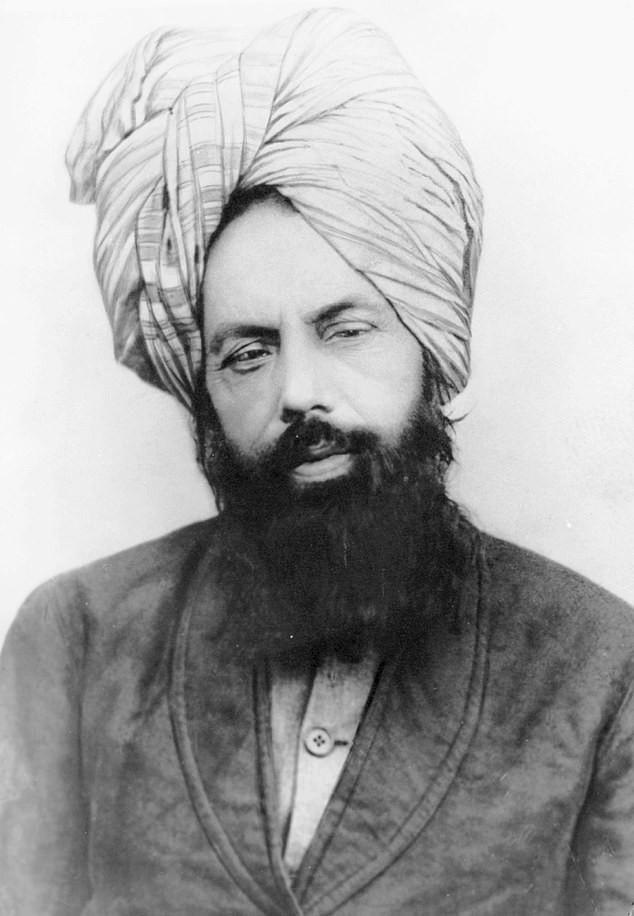
A poem written more than a century ago by Hazrat Mirza Ghulam Ahmad has resurfaced as some fear its prediction of a cataclysm could be coming true today. The 1905 poem, written by the revered religious figure also known as the Promised Messiah and the Imam Mahdi, described massive earthquakes and destruction across the world and has been interpreted by some as a warning of World War III. In the poem, published around the time of Ahmad's death in 1908, Ahmad predicted streams of blood flowing from widespread death, entire regions being wiped out, a massive earthquake, and even strange sky events beyond scientific explanation.
In This Article:
1905 prophecy foretells streams of blood, a world‑shaking quake, and signs from the sky
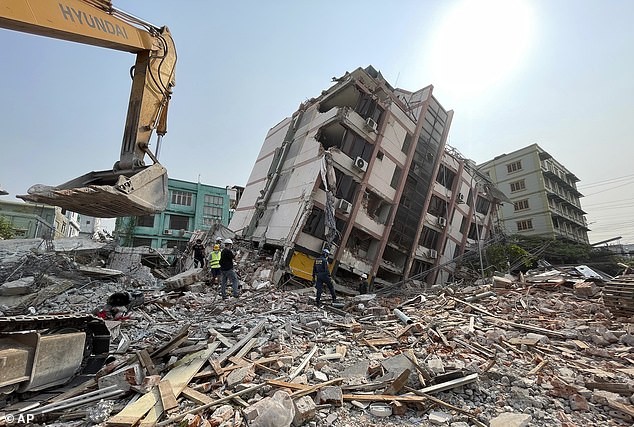
Key passages from the 1905 poem include: 'A sign will come some days hence, which will turn over villages, cities and fields. Wrath of God will bring a revolution in the world, the undressed one would be unable to tie his trousers,' Ahmad's 1905 poem described. 'Suddenly, a quake will severely shake, mortals, trees, mountains and seas, all. In the twinkling of an eye, the land shall turn over, streams of blood will flow like rivers of water.' Ahmad's poem described a devastating earthquake which would shake 'mortals, trees, mountains and seas,' just as recent natural disasters, like the March 2025 quake in Myanmar. There is 'There will be death on such a large scale that streams of blood will flow. Even birds and grazing animals will not escape this death,' the religious leader foretold. 'Those days are near, indeed they are at the door, when the world shall witness the spectacle of a doomsday.' He also spoke of 'mighty assaults' from God and heaven that seemed to depict the launching of missiles in a global war, and the immense distress this would cause the leader of Russia. 'The terror of it will exhaust everyone, the great and the small, even the Czar will be at that hour in a state of the utmost distress,' Ahmad wrote in the poem. 'It will be a glimpse of wrath, that heavenly sign, the sky shall draw its dagger to attack.' The poem also described the wrath of God assaulting from heaven and the sky drawing 'its dagger to attack,' similar to the image of a missile flying through the air.

Background: Ahmad's life, the birth of the Ahmadiyya Movement, and the split after his death
Ahmad, born in 1835 in Qadian, India, founded the Ahmadiyya Movement in Islam and dedicated his life to defending his faith against criticisms from other religions, such as Christianity. He also claimed to receive multiple divine revelations. Ahmad's followers believe he was divinely appointed as the guided leader expected in Islamic End Times prophecies. A 1905 poem and prophecy of global destruction by Hazrat Mirza Ghulam Ahmad has resurfaced as some believe it is close to coming true.

From the end of the era to modern clocks: how the prophecy echoes today
After Ahmad's death in 1908, the Ahmadiyya movement split into two main branches due to disagreements over their late leader's exact religious status. The Ahmadiyya Muslim Community and the Lahore Ahmadiyya Movement operate independently from one another, with their key doctrinal difference being how they view Ahmad. Ahmadiyya Muslim Community sees him as a subordinate prophet under Muhammad, while the Lahore branch views him strictly as a reformer without prophethood. However, both acknowledge the existence of the 1905 poem and its prophecy of a cataclysmic event following Ahmad's death, which both branches suggest includes events that have already taken place. Specifically, Lahore interpreted Ahmad's warning to be about World War I, which began in 1914. Meanwhile, the Ahmadiyya Muslim Community has suggested that the quake mentioned by Ahmad described major seismic events in India.