


Pope Leo XIV Says He Is Very Disappointed as Illinois Passes Medically Assisted Suicide Law


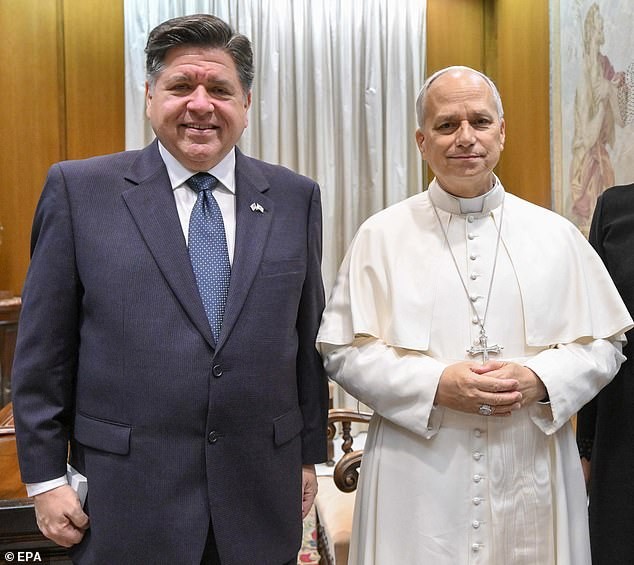
Pope Leo XIV expressed that he was 'very disappointed' that Illinois had approved a law allowing for medically assisted suicide and called for greater respect of life. Leo, who was born and raised in Chicago, said he had spoken 'explicitly' with Illinois Governor JB Pritzker on Tuesday and urged him to not sign the bill into law. Chicago Cardinal Blase Cupich did the same, Leo told reporters as he left his country house in Castel Gandolfo, south of Rome. 'We were very clear about the necessity to respect the sacredness of life from the very beginning to the very end, and unfortunately, for different reasons, he decided to sign that bill,' Leo said. 'I am very disappointed about that.'
In This Article:
- Pope Leo XIV Born in Chicago Says He Spoke Explicitly With Governor Pritzker and Urged Him Not to Sign
- Deb's Law Named for Deb Robertson and Her Testimony on End‑of‑Life Decisions
- Pritzker Defends Signing as Thoughtful While Vatican Clash Grows
- Catholic Dioceses Warn of Dangerous Path and Broader Moral Debate
- Implementation Next Year and National Context
- National Context: States Moving Toward Medically Assisted Suicide
Pope Leo XIV Born in Chicago Says He Spoke Explicitly With Governor Pritzker and Urged Him Not to Sign
Leo told reporters as he left Castel Gandolfo that Cardinal Blase Cupich had also spoken to Governor Pritzker to urge him not to sign the bill into law. 'We were very clear about the necessity to respect the sacredness of life from the very beginning to the very end, and unfortunately, for different reasons, he decided to sign that bill,' Leo said. 'I am very disappointed about that.'
Deb's Law Named for Deb Robertson and Her Testimony on End‑of‑Life Decisions
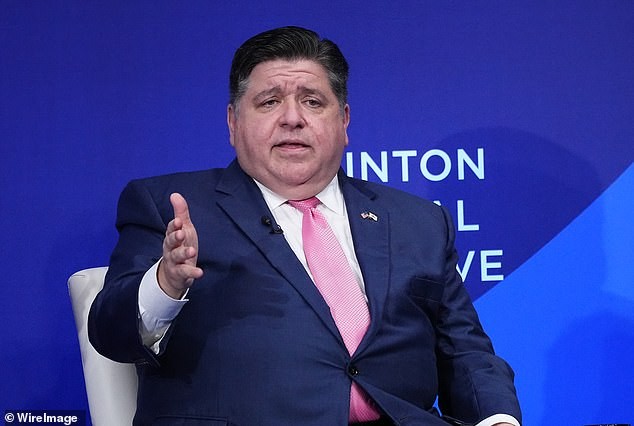
Pritzker signed the legislation on December 12. The measure is also known as 'Deb's Law,' honoring Deb Robertson, a resident of the state living with a rare terminal illness. Robertson, who testified before lawmakers, said the legislation would give patients facing irreversible suffering the ability to make deeply personal end-of-life decisions. She had pushed for the measure's approval and testified to the suffering of people and their families wanting the chance to decide for themselves how and when their lives should end. Pritzker, a Democrat, had said he had been moved by stories of patients suffering from terminal illness.

Pritzker Defends Signing as Thoughtful While Vatican Clash Grows
'This legislation will be thoughtfully implemented so that physicians can consult patients on making deeply personal decisions with authority, autonomy, and empathy,' Pritzker said last week. The clash places the Vatican at odds with a growing number of US states that have moved to legalize medically assisted suicide, setting up a broader moral and political debate as religious leaders warn of cultural consequences while supporters argue for patient autonomy at the end of life. Leo cited Catholic teaching, which calls for the defense and protection of life from conception until natural death, forbidding abortion and euthanasia. He said the decision was particularly painful given the state's deep Catholic roots. 'I would invite all people, especially in these Christmas days, to reflect upon the nature of human life, the goodness of human life,' Leo said. 'God became human like us to show us what it means really to live human life, and I hope and pray that the respect for life will once again grow in all moments of human existence, from conception to natural death.'
Catholic Dioceses Warn of Dangerous Path and Broader Moral Debate
In a joint response, Illinois' six Catholic dioceses warned that the law places the state 'on a dangerous and heartbreaking path,' arguing it risks normalizing suicide rather than expanding palliative care and support for the dying.
Implementation Next Year and National Context
The law is set to take effect next year, with Illinois health officials responsible for drafting regulations and oversight procedures. Opponents, including Catholic organizations, have vowed to continue pressing for repeal or modification, while supporters prepare to defend the measure as similar legislation advances in other states. Eleven other states and the District of Columbia allow medically assisted suicide, according to Death With Dignity. Delaware was the latest, and its provision takes effect on January 1. Seven other states are considering allowing it.
National Context: States Moving Toward Medically Assisted Suicide
Eleven other states and the District of Columbia allow medically assisted suicide, according to the advocacy group Death With Dignity. Delaware was the latest, and its provision takes effect on January 1. Seven other states are considering allowing it.