


Period Blood on the Face Goes Viral as a DIY Skincare Promise for a Crazy Glow


The latest beauty trend sweeping social media is not a new serum or device but something far more provocative: menstrual masking. In this DIY skincare craze, people apply their own menstrual blood to the skin—typically the face—for a couple of minutes before washing it off. The practice is social media-driven, unregulated, and there are no universal guidelines for how much blood to use or how long to leave it on. Proponents argue that period blood contains stem cells, cytokines and proteins — all of which, they say, can revive the skin and give it that extra glow.
In This Article:
Science Claims and Potential Benefits Backed by Studies
Advocates point to scientific-sounding benefits, citing that menstrual blood contains components that could aid skin healing. A study published by the Federation of American Societies for Experimental Biology (FASEB) found that menstrual fluid-derived plasma can indeed facilitate tissue repair and aid in wound healing. In this lab testing, wounds treated with menstrual plasma showed 100% healing within 24 hours, as opposed to 40% with regular blood plasma. Researchers believe this phenomenon may be connected to the regenerative properties of proteins and bioactive molecules in this fluid that prompt the uterus to rebuild itself on a monthly basis. Menstrual blood-derived stem cells, or MenSCs, have also garnered interest from researchers and have been shown to increase skin healing by boosting collagen production, reducing wrinkles and promoting repair-boosting growth factors.
Vampire Facials, Bacteria Risks and the Safety Debate
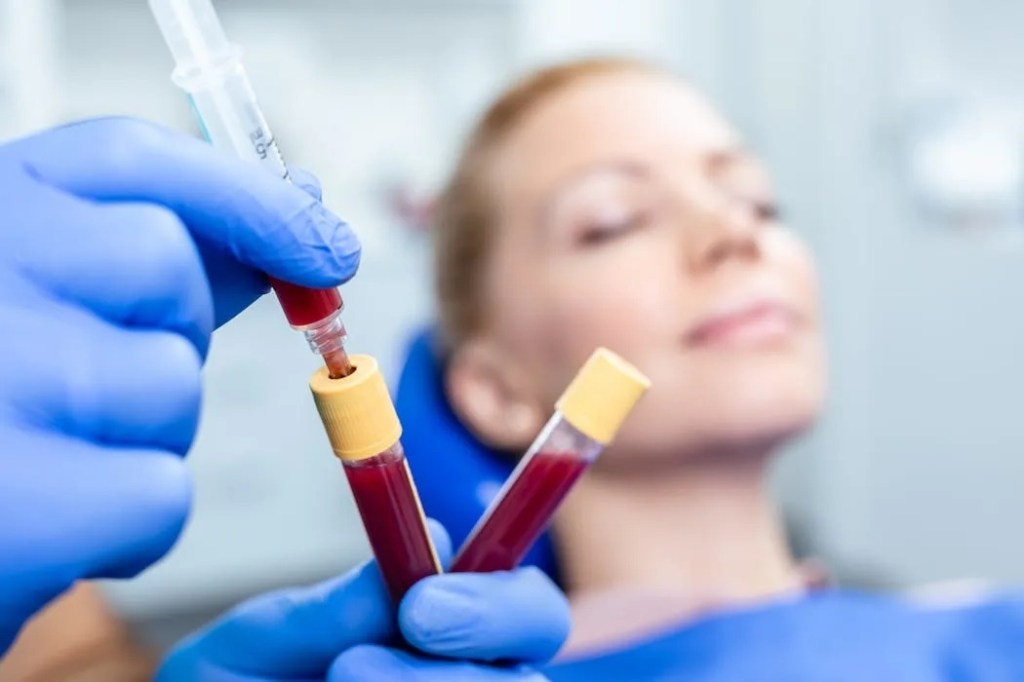
Some beauty-lovers who participate in menstrual masking have compared the trend to the infamous “vampire facial” — a type of facial that utilizes platelet-rich plasma (PRP) taken from a patient’s own blood and injected back into their face, which went viral when Kim Kardashian posted her own procedure. However, experts do not agree with the comparison of sterile PRP to menstrual blood, as the latter can contain different bacteria and fungi. It can also include Staphylococcus aureus — a common microbe that lives on the skin’s surface but can spur infections if it gets caught in cuts or pores — and even sexually transmitted infections, or STIs.
Urine Therapy and Other Body-Based Beauty Trends
This viral version of period pampering is not the only form of body-based beauty practices making the internet rounds. “Urine therapy” — where participants cover their skin in the bodily fluid — has roots in Ayurvedic medicine, which once claimed it could provide body detoxification and heal ailments. Modern-day advocates for the practice tout its benefits for acne and eczema, though these benefits have not been scientifically proven.
Bottom Line: Prudence and Safety First
Between the lack of dermatological evidence backing up menstrual masking and potential risks, period blood is probably best left in the toilet — not on the face.