


Olympians Injecting Acid into Their Penis to Gain a Competitive Edge


An extraordinary scandal has engulfed one of the Winter Olympics' oldest and most technical sports, with claims some ski jumpers are resorting to cosmetic-style injections into their genitals to gain a performance edge. The bizarre controversy, dubbed 'penis-gate', has emerged just weeks before the Milano-Cortina 2026 Winter Olympics and has raised fresh questions about how far elite athletes are willing to go to exploit marginal gains.

In This Article:
Penis-Gate scandal erupts in ski jumping ahead of Milano-Cortina 2026
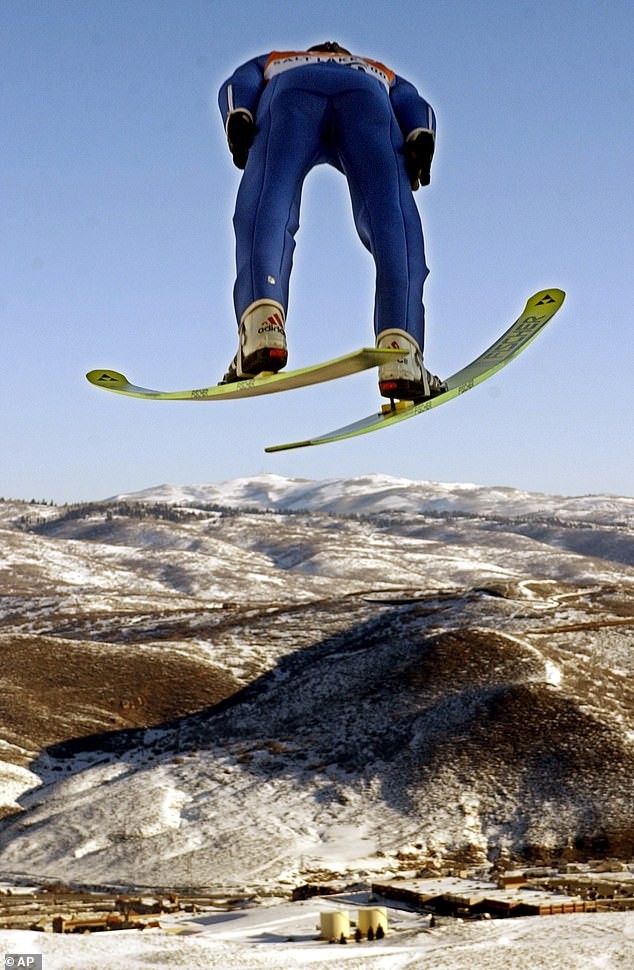
At the centre of the claims is ski jumping's strict equipment measurement system, which governs the size and shape of athletes' aerodynamic suits. These suits are regulated to within millimetres because even the smallest increase in surface area can significantly affect lift, stability and flight time once a jumper launches off the ramp.
3D scans, genitals and looser suits aimed at more lift
According to reports from European media, some male athletes are suspected of injecting hyaluronic acid, a substance commonly used in cosmetic procedures, into their genitals to artificially alter key body measurements recorded during pre-season scans. Those measurements are taken using 3D scanners, which calculate stride length from the lowest point of the genital area. International ski jumpers have been accused of manipulating the size of their genitals so they can wear looser suits that create more lift in competitions. A longer measurement can allow athletes to wear a slightly larger suit, effectively acting like a bigger wing in the air and helping them glide further before landing. In a sport where medals are often decided by fractions of a point, that additional lift can prove decisive.
Regulators tighten rules: changes to prevent manipulation
Officials believe the alleged injections represent the latest evolution of a long-running cat-and-mouse game between athletes and regulators. In previous seasons, competitors were suspected of stuffing their crotch areas or using silicone devices to manipulate scans. Others were caught illegally modifying suits with reinforced stitching designed to generate extra lift. The sport's governing body has acknowledged it is aware of the claims and is now reviewing its measurement protocols ahead of the Games in Italy. Proposed changes include moving away from soft tissue measurements entirely and using skeletal reference points or manual checks to prevent manipulation. 'This is a complex problem,' one official said, confirming work is underway to tighten regulations before Olympic competition begins.
Australia's aerial skiing team set for Milano-Cortina 2026
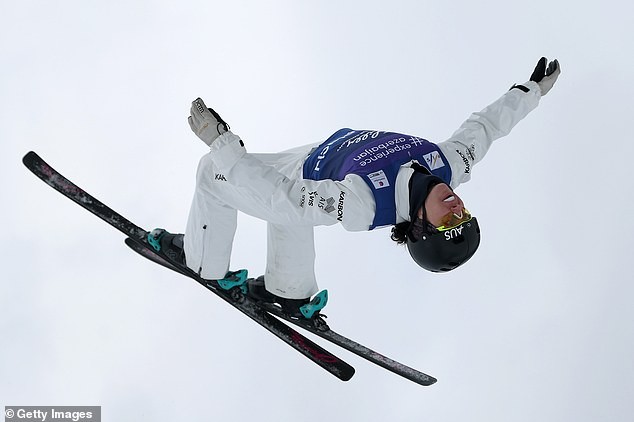
Australian world No.1 Laura Peel will lead a strong Aussie contingent into the 2026 Winter Olympics. The squad is likely to include two-time world champion and world No.1 Laura Peel, world No.3 Danielle Scott, world No.5 Abbey Willcox, and world No.10 Airleigh Frigo. Reilly Flanagan, Sidney Stephens and Elise Coleiro are also part of Australia\'s national aerials program and are in contention for selection, with final team confirmation expected later this month. There is no suggestion the Australian athletes are involved in this practice, and no claims have been made linking Australia\'s aerial skiing program to the scandal.
Denials from Granerud and the road ahead
Norwegian jumper Halvor Egner Granerud has denied any involvement, describing the claims as nonsense and saying his measurements were conducted under medical supervision. Several athletes have dismissed the allegations as exaggerated.