

North Korea’s Ghost Town Propaganda Shiny Villages That Empty Out


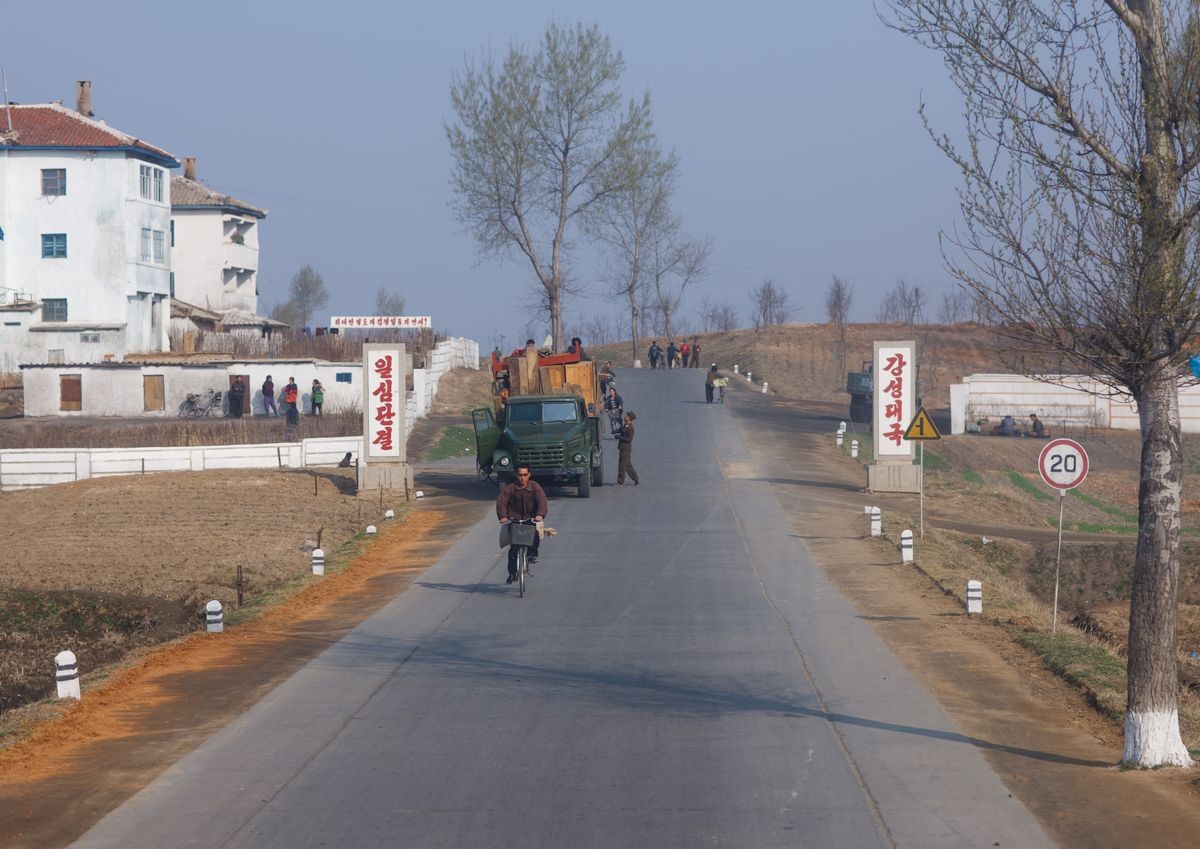
Despite North Korea’s sweeping propaganda campaigns promoting what it calls “ideal socialist villages,” newly built rural shops, clinics and public facilities are reportedly sitting empty, with residents saying they serve little purpose beyond appearance. According to a source speaking to Daily NK from North Pyongyang, authorities have constructed a range of commercial and welfare buildings across provincial regions, including shops, bathhouses, barbershops, libraries and health clinics, all intended to showcase rural development. However, in sparsely populated counties and villages, many of these facilities remain essentially shut because there are simply no customers to use them.
A Model Village Shop in Tappung Exposes the Gap Between Image and Reality
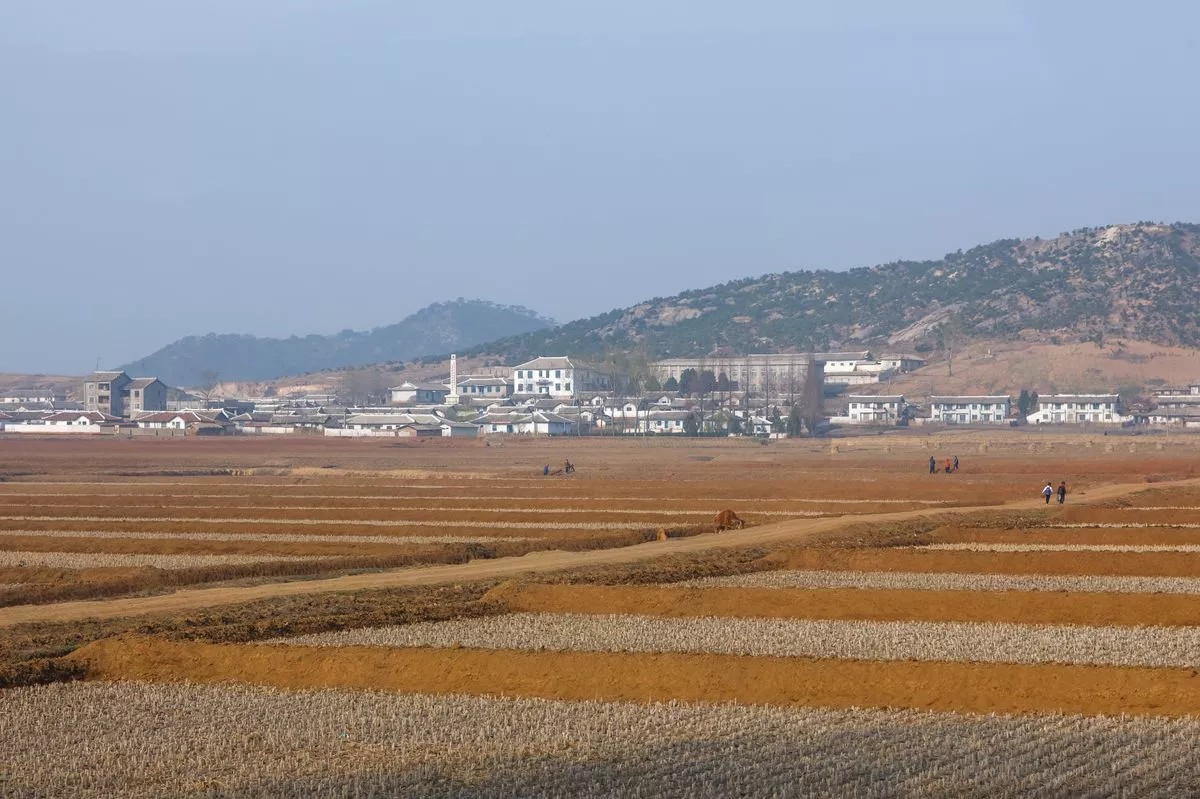
One example is a shop in the village of Tappung in the Taegwan county. The source said it was built nearly two years ago, but many villagers only visited it for the first time last month when, in an unusual move, it briefly sold fermented seafood and salt for making kimchi. Although the shop itself was well constructed, most of its stands remain empty, with only a few basic items on display, such as locally produced soap. Residents have criticised the decision to demolish the old store and replace it, arguing that the new one still lacks essential goods and offers no benefit when shoppers cannot even buy things cheaply at state prices. The brief appearance of salt and fermented seafood brought people in temporarily, the source said, but “they don’t usually shop there,” and the items were available for only a week before the shop returned to its usual emptiness. The issue is especially widespread in smaller, less-populated communities. Local people’s committees, which oversee commercial facilities, have allowed individuals to operate shops in exchange for rent. However, most people do not want to run a shop with virtually no customer traffic, the source explained. Maintaining such facilities has proved difficult due to multiple factors, including low footfall, low earnings, limited interest in goods made at provincial factories and sporadic demand created only when state-distributed items briefly appear in certain shops. As a result, many residents have expressed frustration, saying these buildings add no real value. People have complained that although the state “built modern shop and clinic buildings, it’s all propaganda with little substance,” and that the facilities “are nothing but shells that look nice on the outside but are empty inside.”

The Wider Toll of Empty Iconic Buildings
The accounts from residents point to a broader pattern across smaller, less-populated communities where these buildings remain largely unused. The state propaganda says rural communities are becoming modern, but nobody actually feels this. In fact, more people think it would have been better not to build these facilities in the first place since they need to pay for their construction and get mobilised to build them. Locals say that local committees have allowed individuals to operate shops in exchange for rent, but most people do not want to run a shop with virtually no customer traffic, and maintaining such facilities has proved difficult due to multiple factors, including low footfall, low earnings, limited interest in goods made at provincial factories and sporadic demand created only when state-distributed items briefly appear in certain shops. As a result, residents have expressed frustration, saying these buildings add no real value.