

Mom of Four Moves to Rural Alaska and Reveals the Hidden Dangers of Her New Life


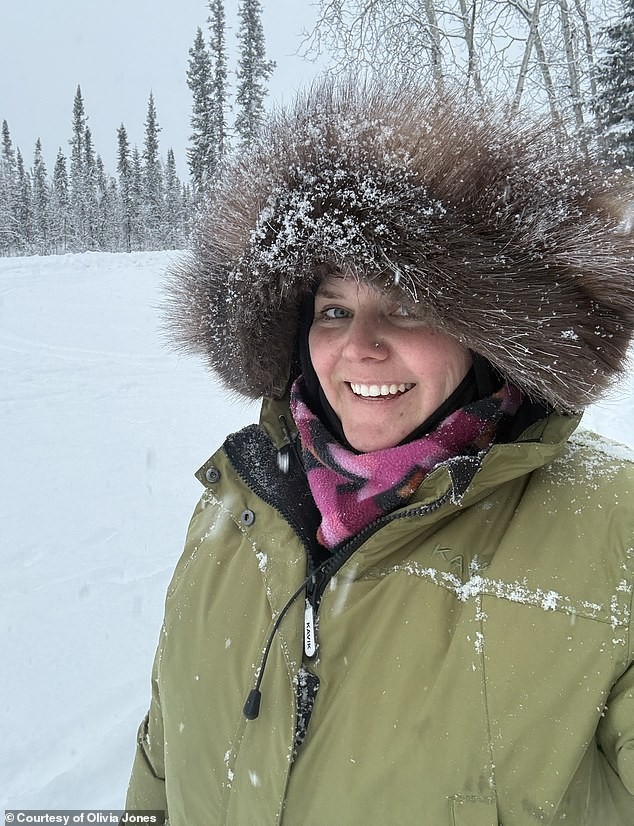
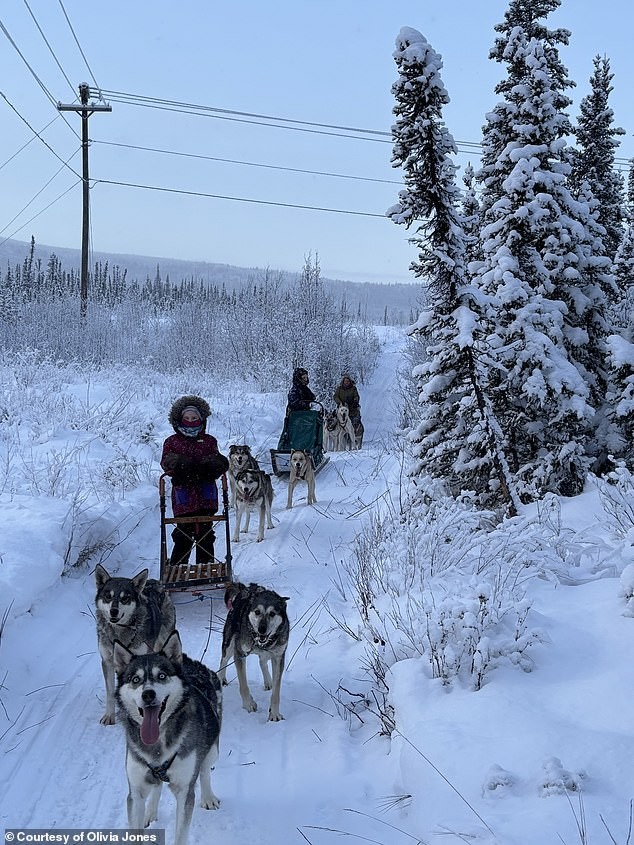
Olivia Jones, 33, and her husband left their home in St. Louis, Missouri, behind to move to a small town in Alaska called Eagle with their four kids last year. The family now spends their days dog mushing, skiing and sledding. They're constantly 'surrounded by nature' and each hour provides a new adventure. 'The pull to move to remote Alaska came from a desire to slow down and live more intentionally as a family,' she explained. 'We've always been drawn to the outdoors, to providing for ourselves and to stepping away from the constant hustle of everyday life.' 'I spent part of my teenage years here in Eagle, and my husband and I have visited many times before deciding to make it our home.' 'My grandfather first came here in the 1970s for gold mining, my parents have lived here for the past 13 years, and now it was our turn to put down roots and build our life in this amazing town.' The hardest part, according to Jones, is ensuring they never run out of food and supplies. She explained that they have to plan 'everything far in advance' and 'carefully track' anything they use. 'There are no fast-food restaurants here, so everything we eat has to be planned ahead and cooked at home, which has definitely taught us to be organized and intentional,' said the mom-of-four. 'When we go, we take a 14-foot trailer loaded down with coolers and tubs to fill with food and anything else we might need for the months ahead, it's like moving half the store with us,' she joked. They can, however, order groceries from the supermarket chain Fred Meyer which is then delivered through the mail plane. But while moving to the village which has less than 100 residents has certainly had its upsides, it has also come with a slew of challenges. From having to do immense planning to make sure they don't run out of food to constantly battling -50°F temperatures, life in Alaska is far from a walk in the park. 'We pay $0.78 per pound for it to fly in. We must meet the plane right on the airstrip to unload our groceries,' she explained. The freezing weather is another drawback, as Jones confessed: 'This past December was actually a record-breaking cold month, with temperatures staying at -50°F. That was definitely a trial by fire for our first winter living here in Eagle. We made it through just fine, but we went through a lot more firewood than we expected and even covered a few windows with blankets to help keep the cold out.' They live by a river which also comes with some serious dangers, and worrying about wildlife is a 'big part of everyday life there.' 'The Yukon River is beautiful, but when the ice breaks up in the spring, it can cause flooding. And one slip in and wet clothes at -50°F could be catastrophic,' she said. 'The wildlife keeps things interesting. Moose are our most common visitors, and sometimes we see caribou, eagles and martens. The moose may wander too close, and bears are up and moving in the warmer months, so we teach our kids to stay aware while still enjoying the outdoors. Living here keeps us on our toes, but it also gives our family a deep respect for the land and the life we get to live together.' There is no hospital in their community, which is another thing Jones has to worry about. 'The closest medical care is a small clinic staffed by a health aide in our neighboring tribal village,' she said. 'They are capable of handling many urgent situations, but when something goes beyond what they can safely treat or what supplies they have, a medevac has to be called.' 'In those moments, a plane or helicopter flies from Fairbanks, about an hour away by flight, to transport the patient to the nearest hospital.' 'One medevac flight can cost $60,000. Because this is a reality of living remotely, our family carries supplemental air ambulance insurance through AirMedCare, which costs about $200 per year for our household and helps cover those expenses.' She noted that while living in Alaska 'comes with its share of dangers,' the positives far outweigh the negatives. The mom said constantly 'being surrounded by nature' and living in a 'small, supportive community' are just a few of the benefits. 'I never expected to see people show up for one another the way they do here,' she said. 'We're raising our children in a small, close-knit community where people genuinely look out for one another and where our kids really do have a village around them.' Jones said her kids have 'adjusted beautifully' to their 'new community' and have 'truly flourished' since making the move. In the end, she said moving to Alaska has made them much more 'intentional' about how they spend their time, and for that, she couldn't be more grateful. 'They're learning to identify native Alaskan plants, fur sewing and participate in Fresh Eyes on Ice, a University of Alaska Fairbanks program where students record data on the Yukon River that's sent to UAF,' she shared. 'They've already learned so many important life skills. This past summer, they attended a Culture Camp held by our local Native community in Eagle Village, where they learned to make knives from steel and birch bark, process salmon and learn cultural songs and traditions from community elders.' 'Living in a remote area hasn't limited them at all. In fact, we truly believe they're thriving, gaining skills, experiences and connections they might never have in a larger, more populated place.' 'We get to be more present with our kids, more thoughtful with our time and more connected to each other as a family,' she concluded.
Seeking a Slower Life in Eagle a Family’s Move and New Daily Rhythm
After years of yearning for a 'slower' pace, Olivia Jones, 33, and her husband decided to leave their home in St. Louis, Missouri, behind to move to a small town in Alaska called Eagle with their four kids last year. The family now spends their days dog mushing, skiing and sledding. They're constantly 'surrounded by nature' and each hour provides a new adventure. 'I spent part of my teenage years here in Eagle, and my husband and I have visited many times before deciding to make it our home.' 'My grandfather first came here in the 1970s for gold mining, my parents have lived here for the past 13 years, and now it was our turn to put down roots and build our life in this amazing town.' The hardest part, according to Jones, is ensuring they never run out of food and supplies. She explained that they have to plan 'everything far in advance' and 'carefully track' anything they use. 'There are no fast-food restaurants here, so everything we eat has to be planned ahead and cooked at home, which has definitely taught us to be organized and intentional,' said the mom-of-four. 'When we go, we take a 14-foot trailer loaded down with coolers and tubs to fill with food and anything else we might need for the months ahead, it's like moving half the store with us,' she joked. They can, however, order groceries from the supermarket chain Fred Meyer which is then delivered through the mail plane. 'We pay $0.78 per pound for it to fly in. We must meet the plane right on the airstrip to unload our groceries,' she explained. The freezing weather is another drawback, as Jones confessed: 'This past December was actually a record-breaking cold month, with temperatures staying at -50°F. That was definitely a trial by fire for our first winter living here in Eagle.' 'We made it through just fine, but we went through a lot more firewood than we expected and even covered a few windows with blankets to help keep the cold out.' They live by a river which also comes with some serious dangers, and worrying about wildlife is a 'big part of everyday life there.' 'The Yukon River is beautiful, but when the ice breaks up in the spring, it can cause flooding. And one slip in and wet clothes at -50°F could be catastrophic,' she said. 'The wildlife keeps things interesting. Moose are our most common visitors, and sometimes we see caribou, eagles and martens.' 'The moose may wander too close, and bears are up and moving in the warmer months, so we teach our kids to stay aware while still enjoying the outdoors.' 'Living here keeps us on our toes, but it also gives our family a deep respect for the land and the life we get to live together.' There is no hospital in their community, which is another thing Jones has to worry about. 'The closest medical care is a small clinic staffed by a health aide in our neighboring tribal village,' she said. 'They are capable of handling many urgent situations, but when something goes beyond what they can safely treat or what supplies they have, a medevac has to be called.' 'In those moments, a plane or helicopter flies from Fairbanks, about an hour away by flight, to transport the patient to the nearest hospital.' 'One medevac flight can cost $60,000. Because this is a reality of living remotely, our family carries supplemental air ambulance insurance through AirMedCare, which costs about $200 per year for our household and helps cover those expenses.' She noted that while living in Alaska 'comes with its share of dangers,' the positives far outweigh the negatives. 'The positives include being constantly surrounded by nature and living in a small, supportive community,' she said. 'We're raising our children in a small, close-knit community where people genuinely look out for one another and where our kids really do have a village around them.' Jones said her kids have adjusted beautifully to their new community and have truly flourished since making the move.
Dangers, Isolation and the Price of Remote Life: Medical Care, Wildlife and Community
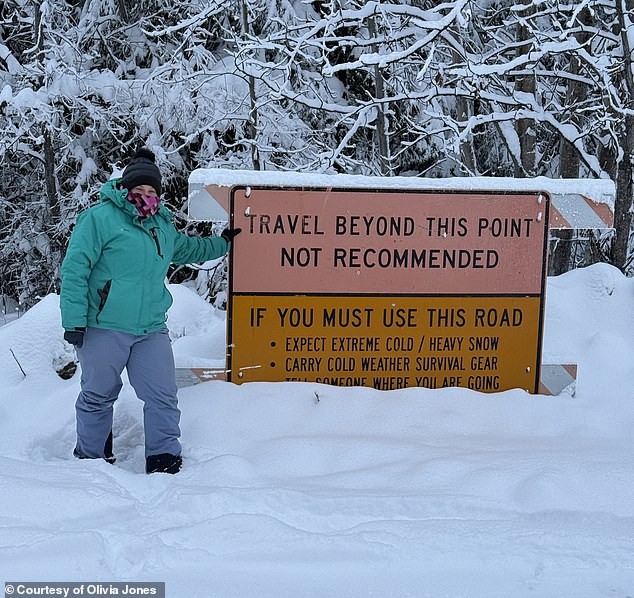
There is no hospital in their community, and the closest medical care is a small clinic staffed by a health aide in a neighboring tribal village. When something goes beyond what they can safely treat or what supplies they have, a medevac has to be called. In those moments, a plane or helicopter flies from Fairbanks, about an hour away by air, to transport the patient to the nearest hospital. One medevac flight can cost $60,000, so the family carries supplemental air ambulance insurance through AirMedCare, which costs about $200 per year for their household and helps cover those expenses. The Yukon River is beautiful, but when the ice breaks up in the spring, it can cause flooding. One slip in and wet clothes at -50°F could be catastrophic, she said. Moose are the most common visitors, and sometimes caribou, eagles and martens are seen. The moose may wander too close, and bears are up and moving in the warmer months, so the kids are taught to stay aware while still enjoying the outdoors. Living there keeps the family on their toes and gives them a deep respect for the land and the life they share. The family finds strength in a small, tight-knit community where people genuinely look out for one another, and where the children have a village around them. The move has made them more intentional about how they spend their time, and they are grateful for this new way of life. The kids have already learned life skills—from identifying native Alaskan plants to fur sewing and participating in Fresh Eyes on Ice, a University of Alaska Fairbanks program—data on the Yukon River that is sent to UAF. They’ve also attended a Culture Camp held by the local Native community where they learned to make knives from steel and birch bark, process salmon and learn cultural songs and traditions from elders. 'We get to be more present with our kids, more thoughtful with our time and more connected to each other as a family,' she concluded.