

Men Peak in Sexual Desire at 40 Not in Their 20s


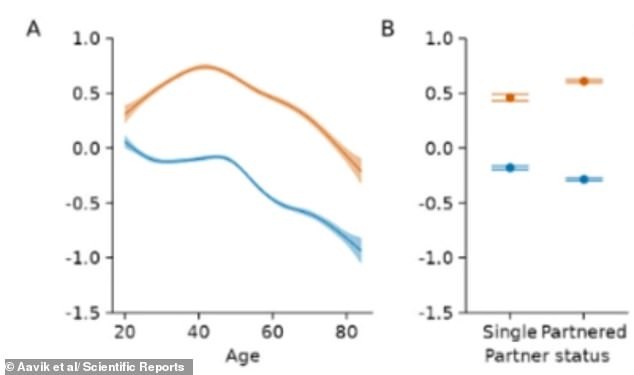
A major new study from the University of Tartu in Estonia analyzed data from more than 67,000 adults aged 20 to 84. They discovered that male sexual appetite increased through their 20s, peaked in the early 40s and then began a gradual decline. Remarkably, they found men in their 60s are just as horny as their 20–year–old counterparts. Graph A shows how sexual desire for men (orange line) rises during the 20s and 30s before peaking at 40, while women (blue line) record a gradual decline. Graph B shows how men in relationships reported higher libido than their single counterparts, but single women have more sexual desire than women who have partners. The study revealed men are most randy at the age of 40. Pictured: US actor Chris Pratt, who is 46 years old. The researchers said their finding with regards to men is unexpected – because it counters the idea that desire is primarily influenced by biology and fertility. It is well documented that levels of the male sex hormone testosterone begin to fall from the early 30s onwards. Does male sexual desire peak at 40? Despite this, the study indicates that male libido continues to rise for another 10 years or so. The mid–life peak in men suggests that factors beyond biological ageing, such as relational dynamics, may play a more significant role than initially anticipated, the researchers wrote. For example, men in their forties are more likely to be in stable long–term relationships, which have been associated with increased sexual activity and emotional intimacy. Analysis also revealed that even the peak of female sexual desire at the ages of 20 to 30 was lower than men's average levels across much of adulthood. It is only after the age of 60 that men's declining sexual appetite falls below the highest levels ever reported by women. However, among both sexes there were huge differences between individuals – with some women reporting higher sexual desire than men. Remarkably, they found men in their 60s are just as horny as their 20–year–old counterparts. Pictured: 64–year–old George Clooney. The researchers also looked at how sexual desire in men and women was affected by having children, sexuality and career.

In This Article:
Male Libido Rises Through the 20s, Peaks at 40, Then Slowly Declines
Beyond the general age trend, the study shows a distinct arc: male sexual appetite climbs through the 20s and 30s, peaks around age 40, then eases off gradually. The contrast with women is stark: female desire peaks earlier and declines more steadily with age. It is well documented that testosterone levels begin to fall from the early 30s onwards, yet the study indicates that male libido continues to rise for about another decade. The mid–life peak in men suggests that factors beyond biological ageing, such as relational dynamics, may play a more significant role than initially anticipated. For example, men in their forties are more likely to be in stable long–term relationships, which have been associated with increased sexual activity and emotional intimacy.

Women Desire Most in Early Adulthood, Then Decline With Age
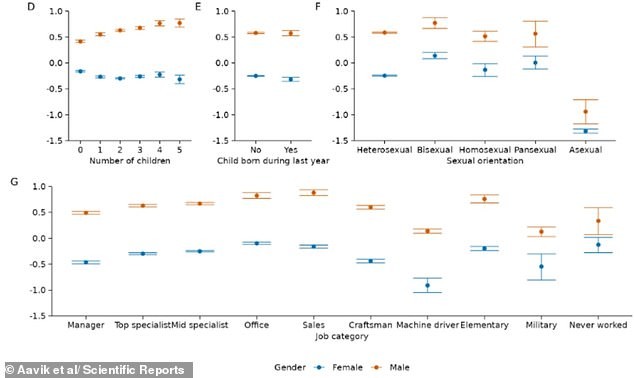
Analysis shows that even the peak of female sexual desire at the ages of 20 to 30 was lower than men's average levels across much of adulthood. It is only after the age of 60 that men's declining sexual appetite falls below the highest levels ever reported by women. However, there were huge differences between individuals – with some women reporting higher sexual desire than men. The team also found that bisexual participants reported the highest levels of sexual desire. While men in relationships reported higher libido than their single counterparts, single women reported more sexual desire than women who have partners. Overall, participants who worked in office or sales jobs were the most randy, while machine drivers and those who worked in the military were the least. Relationship satisfaction played a small role, as happier couples reported slightly higher desire. For women, having more children was associated with lower sexual desire – but this effect was reversed in men. 'Sexual desire is a vital component of human relationships and well–being, shaped by demographic, relational, psychological, and cultural factors,' the team wrote. 'Understanding these influences is essential for advancing theoretical models and improving clinical interventions.'
Relational Dynamics, Demographics and a Reddit Study Reveal What Shapes Desire
Scientists led by Menelaos Apostolou from the University of Nicosia in Cyprus anonymously asked men on Reddit why they thought they were still single. They analysed more than 6,700 comments and revealed the top 43 reasons why people are unable to find a partner. Here is the complete list —