


Marble Bar life in Australia's hottest town where roads melt as temperatures push past 47C


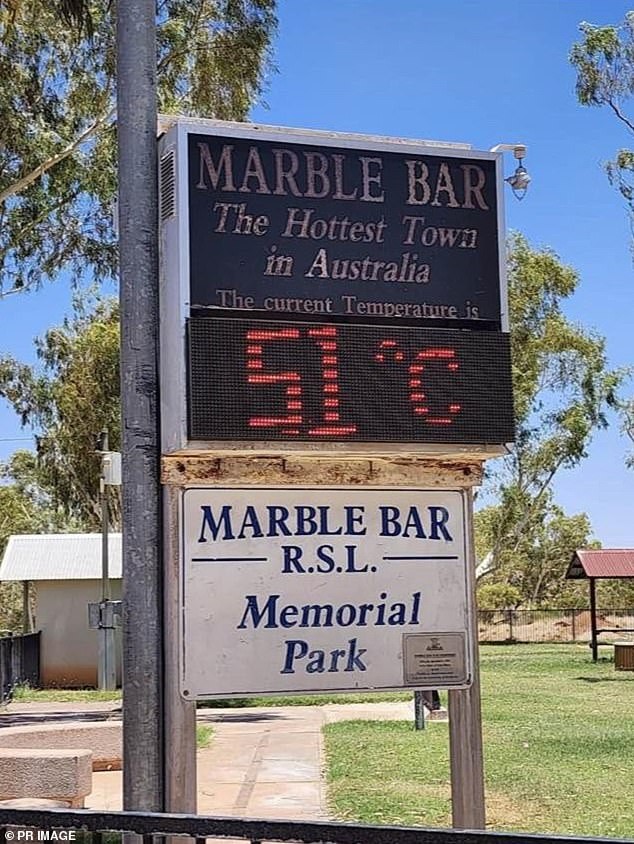
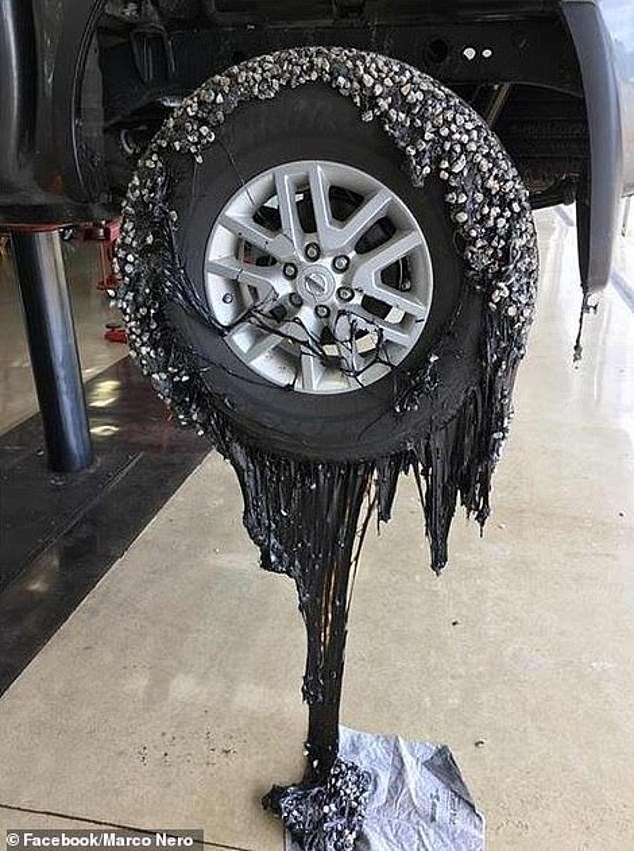
In the town famed as Australia's hottest place to live, locals have learned to 'lean into' the extreme nature of their everyday weather. Marble Bar, in Western Australia’s Pilbara region, is one of many country centres grappling with the worst heatwave since the summer of 2019–20. Extended heatwaves are common in the town, where the record temperature reached 49.3C in December 2023. 'We deal with it for six, seven months of the year – it's tough going,' Marble Bar Community Resource Centre coordinator Bazz Harris said. 'Most of the locals lean into it – people will walk 100 metres down to the general store and they make sure they've got a hat and a bottle of water. 'The trick is to get a cool night's sleep, get six, seven hours in a cool environment at night, and you can deal with the day.' Since January 1, the town has not recorded a daytime temperature below 42C, and on Wednesday it climbed above 47C. Last summer, the town endured a 26-day stretch of maximums above 43C, and during its most famous heatwave in 1923–24, there were 160 consecutive days above 37.8C (100F). 'Temperatures have soared in Australia’s hottest town this week with Marble Bar sweltering.' A stock image showing the damage melting roads can cause to cars. 'We've got six generations of people who have called it home, but for the ring-ins, which is me and everyone that runs a business in town, it's different,' Mr Harris said. 'It's hard to keep staff here. People come up and take jobs, and when they get those strings of 12–15 days of 40C-plus, then you quickly figure out who’s going to be hanging around and who's going to go.' The massive iron ore trucks used in the region also face challenges in the heat, he said. 'When the trucks are loaded with four trailers chock-full of iron ore, they actually melt the tar and dig the road up. It's crazy to see that … the roads definitely do melt, that's an actual thing.' Heatwave warnings are in place across much of South Australia, Victoria and NSW, as temperatures soar up to 15C above average. In Port Augusta, at the head of South Australia’s Spencer Gulf, mayor Linley Shine said the community was 'very used to' extreme weather and knew how to handle it. 'I could get in the car right now and go for a drive in town and our main CBD area would be very, very quiet, because people here know how to prepare for these types of events,' she said. The city, famous for being the driest city in the driest state on the driest continent, reached 46C on Wednesday, with 47C forecast for Thursday and 44C on Friday. Like the Pilbara, a telltale sign of the extreme heat was its impact on local roads. 'It's very, very common to start seeing the bitumen just melt – they call them 'bleeding roads',' Ms Shine said. 'We're very used to this as a community, this happens every year – the big, important thing is taking care of our vulnerable people and checking on them, which our community is very good at doing. 'People here are tough, they're pretty resilient, and we look out for each other as well. We are a really good, kind, caring community, especially in times of need like this.'
In This Article:
Six to seven months of heat Marble Bar's daily grind
Extended heatwaves are common in Marble Bar, where the record temperature reached 49.3C in December 2023. Last summer, the town endured a 26-day stretch of maximums above 43C, and during its most famous heatwave in 1923–24, there were 160 consecutive days above 37.8C (100F). 'We deal with it for six, seven months of the year – it's tough going,' Marble Bar Community Resource Centre coordinator Bazz Harris said. 'Most of the locals lean into it – people will walk 100 metres down to the general store and they make sure they've got a hat and a bottle of water. The trick is to get a cool night's sleep, get six, seven hours in a cool environment at night, and you can deal with the day.' Since January 1, the town has not recorded a daytime temperature below 42C, and on Wednesday it climbed above 47C. A stock image showing the damage melting roads can cause to cars. 'We've got six generations of people who have called it home, but for the ring-ins, which is me and everyone that runs a business in town, it's different,' Mr Harris said. 'It's hard to keep staff here. People come up and take jobs, and when they get those strings of 12–15 days of 40C-plus, then you quickly figure out who's going to be hanging around and who's going to go.' 'When the trucks are loaded with four trailers chock-full of iron ore, they actually melt the tar and dig the road up. It's crazy to see that … the roads definitely do melt, that's an actual thing.'
Lean into it and stay hydrated how locals cope with the heat
Most of the locals lean into it – people will walk 100 metres down to the general store and they make sure they've got a hat and a bottle of water. The trick is to get a cool night's sleep, get six, seven hours in a cool environment at night, and you can deal with the day. Since January 1, the town has not recorded a daytime temperature below 42C, and on Wednesday it climbed above 47C. Last summer, the town endured a 26-day stretch of maximums above 43C, and during its most famous heatwave in 1923–24, there were 160 consecutive days above 37.8C (100F). 'Temperatures have soared in Australia’s hottest town this week with Marble Bar sweltering.'
Roads melt and ore trucks suffer the heat
The massive iron ore trucks used in the region also face challenges in the heat, he said. 'When the trucks are loaded with four trailers chock-full of iron ore, they actually melt the tar and dig the road up. It's crazy to see that … the roads definitely do melt, that's an actual thing.' Heatwave warnings are in place across much of South Australia, Victoria and NSW, as temperatures soar up to 15C above average.
Port Augusta’s resilience under extreme heat
In Port Augusta, at the head of South Australia’s Spencer Gulf, mayor Linley Shine said the community was 'very used to' extreme weather and knew how to handle it. 'I could get in the car right now and go for a drive in town and our main CBD area would be very, very quiet, because people here know how to prepare for these types of events,' she said. The city, famous for being the driest city in the driest state on the driest continent, reached 46C on Wednesday, with 47C forecast for Thursday and 44C on Friday. Like the Pilbara, a telltale sign of the extreme heat was its impact on local roads. 'It's very, very common to start seeing the bitumen just melt – they call them 'bleeding roads',' Ms Shine said.
A community that looks after its vulnerable
'We're very used to this as a community, this happens every year – the big, important thing is taking care of our vulnerable people and checking on them, which our community is very good at doing.' 'People here are tough, they're pretty resilient, and we look out for each other as well. We are a really good, kind, caring community, especially in times of need like this.' These lines underscore a shared resilience that keeps Port Augusta, Marble Bar and similar towns connected when heat tests them most.