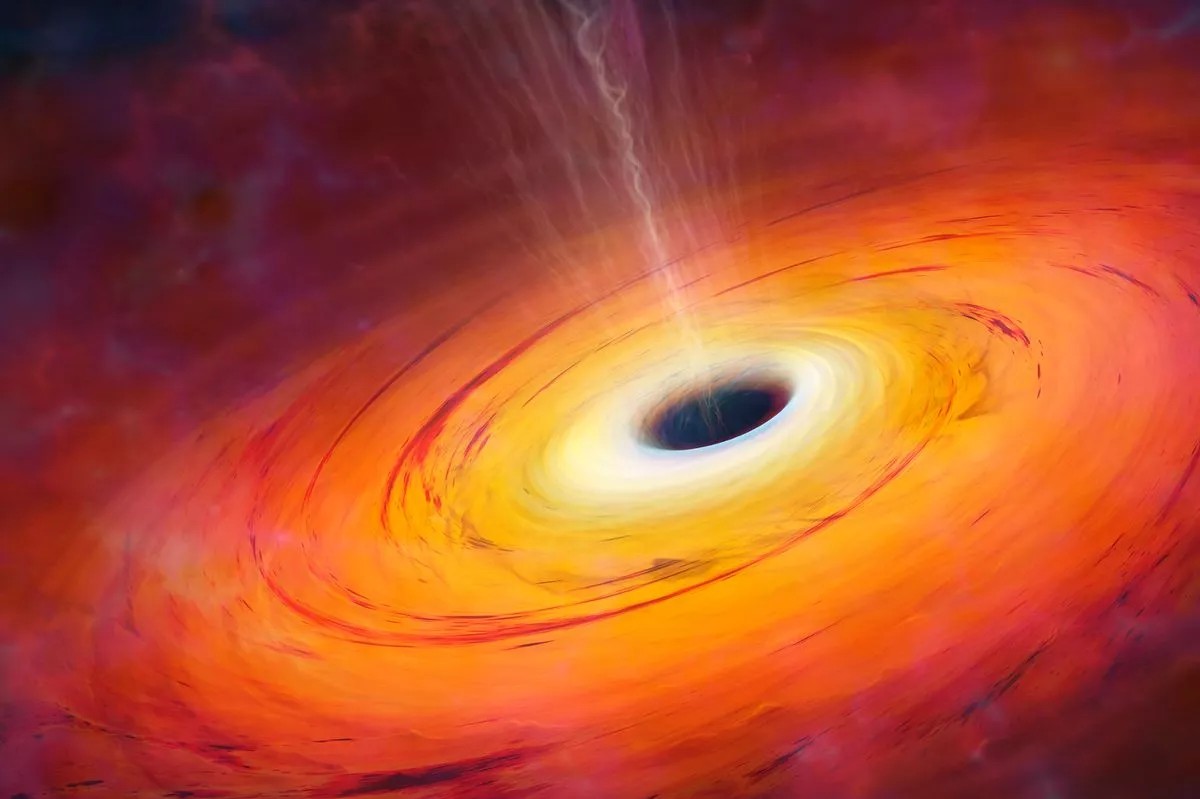


Last Scream of a Star Torn Apart by Two Black Holes Emerges in a Distant X-Ray Signal


A puzzling X-ray signal picked up decades back may finally have an explanation. It could be the last gasp of a star ripped apart by two gigantic black holes. XID 925 was first spotted in 1999 in the Chandra X-ray Observatory's Deep Field South survey. Astronomers have followed the signal closely ever since, watching the initially bright pinprick of radiation grow dimmer and dimmer, dwindling to just a fortieth of its initial peak. Boffins believe the signal came from the "spaghettification" of a star, pulled into thin strands before being swallowed by a monster black hole's event horizon, but meanwhile getting clobbered by yet another black hole. An international team of astronomers revealed their findings from observing the X-ray flare in a paper published in The Innovation in November, reports Live Science. About 3 billion years ago, an unlucky star got caught in a tug-of-war between two gigantic black holes, they say. We're now seeing the faint screams of X-rays from this violent event. The energy released by this process makes the gas so hot that it emits X-ray radiation that we can detect even from the other side of the universe. The material then funnels into the black hole and the disk fades. XID 925 was already incredible as one of the most distant and faintest known tidal disruption events (TDEs) ever recorded. But in 1999 it went haywire. Between January and March it suddenly brightened by a factor of 27. The flare then dimmed just as fast and the signal continued to fade. The astronomers now believe this strange brightening had two culprits as a TDE around two supermassive black holes. They argue that the unfortunate star was dragged into a central gigantic black hole and then another smaller, but still huge, companion black hole. The larger black hole tore apart the star and turned it into a disk. Then the second black hole swung close to the disk, or even ploughed through it, leading to a furious burst of energies. Like a car smashing into an accident scene, the second black hole triggered the release of even more X-rays, before moving on and letting the system return to normal. The boffins admit this story doesn't explain all the data but they argue that it's our best guess. If they're right, the signal gives us a thrilling window into the complex relationships between stars and black holes in the hearts of young galaxies. For the latest breaking news and stories from across the globe from the Daily Star, sign up for our newsletters.
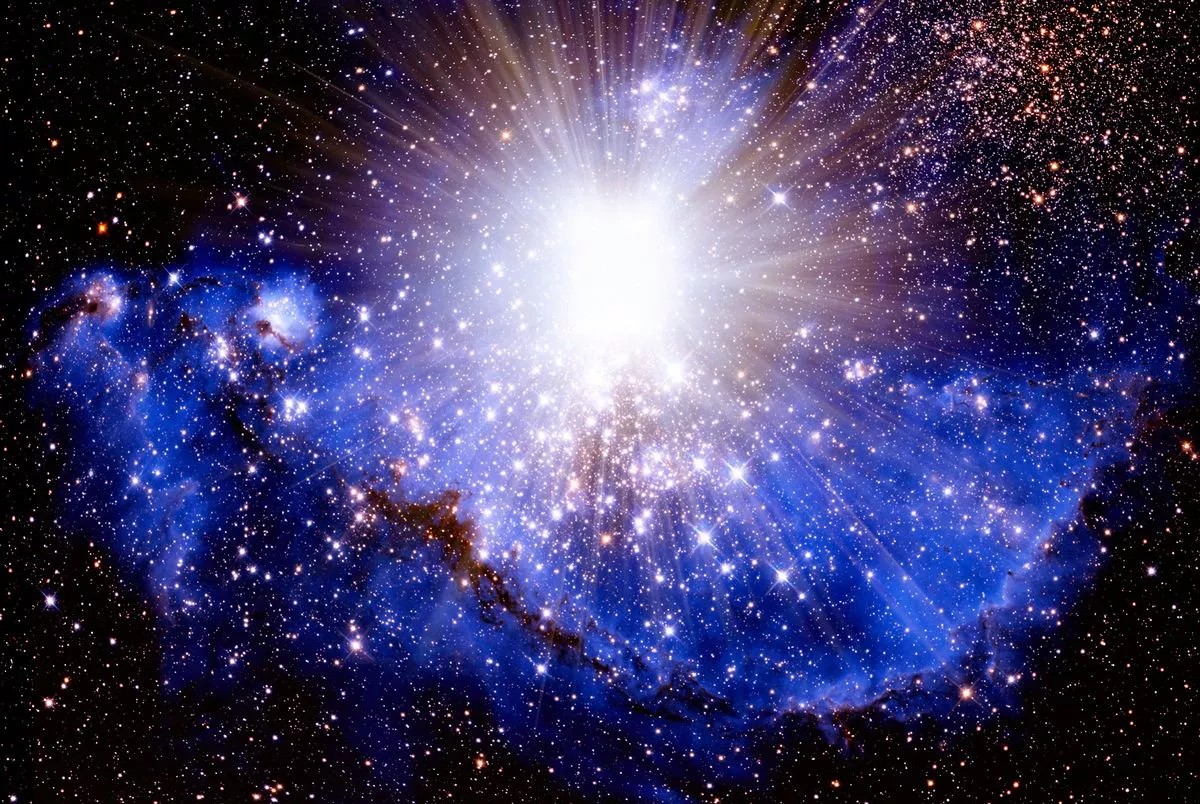
What XID 925 Tells Us About a Cosmic Tug of War
Between January and March 1999, XID 925 suddenly brightened by a factor of 27, then faded rapidly. The researchers now propose that this flare resulted from a tidal disruption event (TDE) caused by two black holes interacting with a single star: the larger black hole tore apart the star and turned it into a disk. Then the second black hole swung close to the disk, or even ploughed through it, leading to a furious burst of energies. Like a car smashing into an accident scene, the second black hole triggered the release of even more X-rays, before moving on and letting the system return to normal. They argue that the strange brightening had two culprits as a TDE around two supermassive black holes. The boffins admit this story doesn't explain all the data but they argue that it's our best guess. If they're right, the signal gives us a thrilling window into the complex relationships between stars and black holes in the hearts of young galaxies.
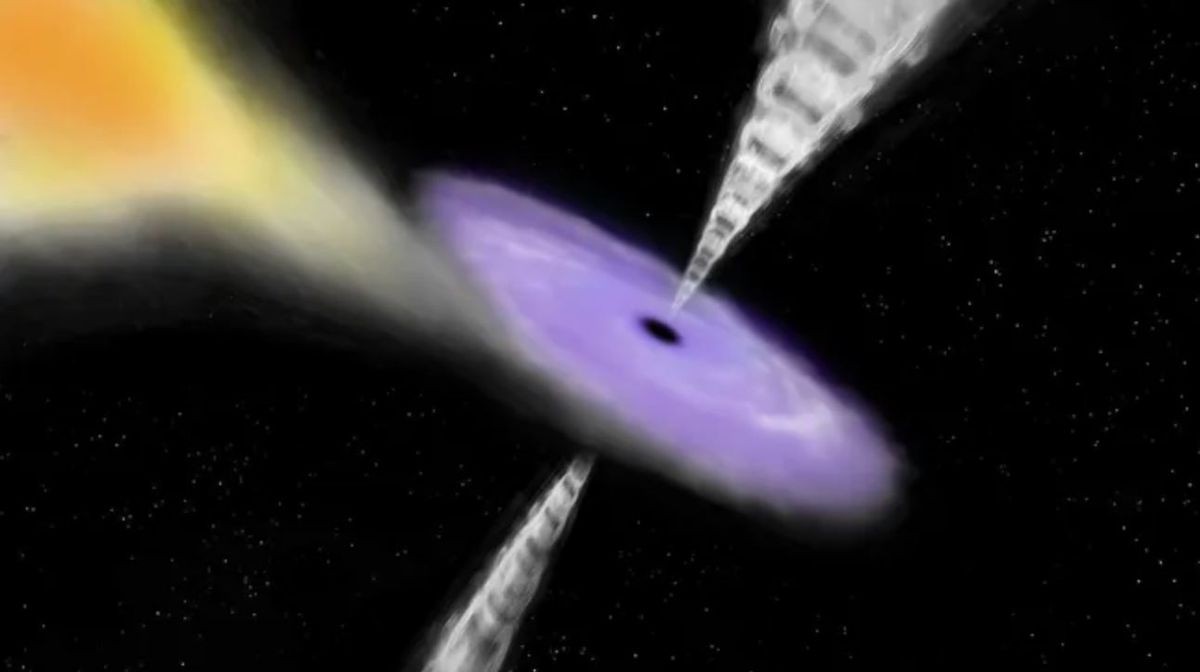
Two Black Holes in a Cosmic Tango
The larger black hole tore apart the star and turned it into a disk. Then the second black hole swung close to the disk, or even ploughed through it, leading to a furious burst of energies. Like a car smashing into an accident scene, the second black hole triggered the release of even more X-rays, before moving on and letting the system return to normal. The boffins admit this story doesn't explain all the data but they argue that it's our best guess. If they're right, the signal gives us a thrilling window into the complex relationships between stars and black holes in the hearts of young galaxies.