


Inside world's coldest towns with bitter 55°C temperatures, ice roads and polar bear laws


It's beginning to feel a lot like Christmas in the UK – as temperatures have really plummeted recently. And you'll likely need your thick winter coat for weeks more, as parts of Britain are poised to be hammered by more freezing weather and potential snowfall during the festive season. Before you start grumbling though, spare a thought for those who brave frosty conditions almost every day of their lives. We're talking about the coldest places in the world, where your eyelashes would freeze as soon as you stepped outside your front door. So if you want to feel better about British wintertime, we've got you covered. Brace yourself and grab a hot cuppa before checking out our list of freezing destinations below... Emma Paton 'fell short' of Olympic dream but admits life 'could be a lot worse' Entire city traps murder suspect in park after he allegedly kills two women

In This Article:
- Oymyakon: The coldest inhabited place on Earth (record −67.7°C)
- Utqiagvik: The northernmost city in the United States
- Yellowknife: The largest community in Canada's Northwest Territories
- Astana: Kazakhstan's cold capital on the Kazakh Steppe
- Longyearbyen and Svalbard: Arctic extremes, midnight sun and polar night
Oymyakon: The coldest inhabited place on Earth (record −67.7°C)
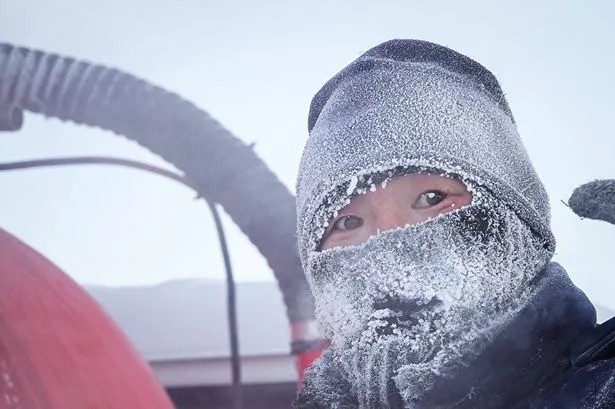
Oymyakon is famously known as one of the coldest inhabited places on Earth. It is located in the northeastern part of Russia, in the Sakha Republic (Yakutia), deep in Siberia. The lowest officially recorded temperature in Oymyakon is −67.7°C (−89.9°F), measured in February 1933. However, the average daily temperatures in winter fall between −45°C to −50°C, which is still freezing! Put your skills to the test. Whether you love word games, tricky cryptic crosswords, Sudoku, or our other brain teasers, you'll find a new favourite today! Oymyakon is surrounded by mountains, which traps the cold air and makes it difficult for warmth to circulate. So we're not surprised that there are only a few hundred residents living there. Those hardy humans have adapted by wearing thick fur clothing, using wood and coal for heating, and relying on preserved or frozen foods. Cars are often left running to prevent engines from freezing and we wouldn't trust ourselves out on those snowy roads even if our motors were working. Permafrost means that the ground of the village is covered in ice – but locals do get some sun in the summer. The warmest month villagers have ever seen boasted average temperatures of 18°C back in 2010. That's practically sunbathing weather in comparison!
Utqiagvik: The northernmost city in the United States
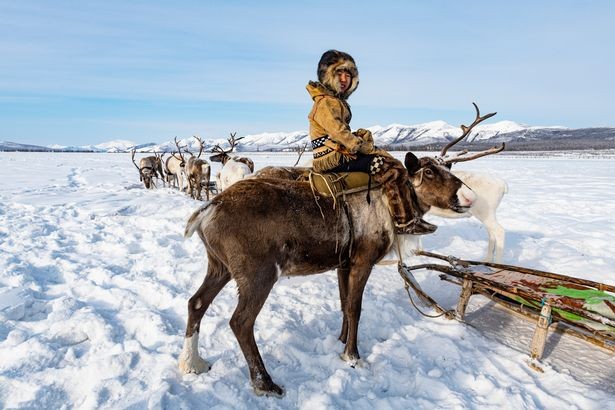
Utqiagvik (formerly known as Barrow) is the northernmost city in the United States, located above the Arctic Circle on the northern coast of Alaska, where the Chukchi Sea meets the Arctic Ocean. It's home to 4,500 residents, most of whom are Iñupiat – native indigenous people. The location has an extreme latitude of 71° North, which means the sun's rays strike at a very low angle. As a result of this, the rays provide very little warmth. Meanwhile, Utqiagvik is also close to the Arctic Ocean. The freezing body of water surrounds the city, especially when covered with sea ice, which reflects sunlight and keeps temperatures low. When it's windy, it makes the conditions feel even more bitter. Residents rely on heavy insulation, special vehicles, and traditional knowledge to survive the harsh climate. They live in buildings with stilts or raised platforms, which helps them avoid melting the permafrost. The native Iñupiat people have thrived here for centuries, relying on hunting, fishing, and community support.
Yellowknife: The largest community in Canada's Northwest Territories
Yellowknife is home to 20,000 people, which is the largest community in the Northwest Territories. It sits at about 62° North, well above the 60th parallel, which means it receives minimal direct sunlight in the wintertime. Despite the brutal −26°C temperatures in winter, the town is absolutely thriving. It used to be known for gold mining, but is now a hub for government and diamond mining. To keep this booming town going, ice roads are built across frozen lakes, connecting Yellowknife to remote communities. Tourists often visit to learn more about Indigenous culture and also partake in snowy outdoor activities. It's particularly popular for ice fishing, snowmobiling and dog-sledding. What's more, it's one of the best places in the world to see the super magical Northern Lights.

Astana: Kazakhstan's cold capital on the Kazakh Steppe
Astana in Kazakhstan often vies for the top spot of coldest place in the world. TripSavvy notes that the modern city has seen major low temperatures of −51.5°C at times. It has an extreme continental climate, meaning it is far from the moderating effects of oceans or large bodies of water. This can cause temperatures to fluctuate wildly depending on if it's winter or summer. The city sits on the vast, flat Kazakh Steppe, with no mountains or forests to block icy winds. Additionally, Arctic and Siberian air masses can sweep down from the north and east without obstruction, bringing frigid temperatures. Despite these challenges, Astana is a modern, growing city with impressive architecture and a vibrant cultural scene, making its climate all the more remarkable for residents and visitors alike.
Longyearbyen and Svalbard: Arctic extremes, midnight sun and polar night
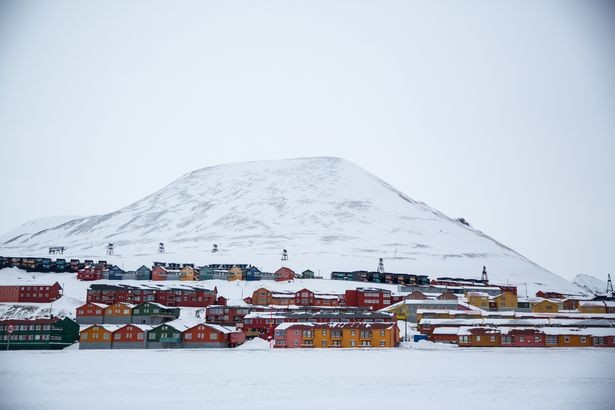
Longyearbyen is technically part of Norway but sits on an island in the Arctic Ocean – halfway between Northern Norway and the North Pole. It’s the world’s northernmost town with more than 1,000 people – and residents experience both the midnight sun in summer and the long polar night in winter. As it's surrounded by the Arctic Ocean, Longyearbyen is exposed to cold winds and sea ice, which help maintain low temperatures year-round. With little vegetation or natural barriers, the settlement is exposed to strong, cold Arctic winds, increasing the sensation of cold in the polar tundra climate. The average temperatures in December are around −14°C. Svalbard is so cold that there are a number of rules for residents. Residents must carry rifles outside town due to polar bears and burials are not allowed because bodies don’t decompose in permafrost. The drinking rules are notoriously strict, and there are quotas on how much alcohol residents can purchase per month, which have been around since the mining days.