

I'm a Bible Expert and Here's Why a Box Said to Hold Jesus's Brother's Bones Is the Most Significant Artifact Ever Found


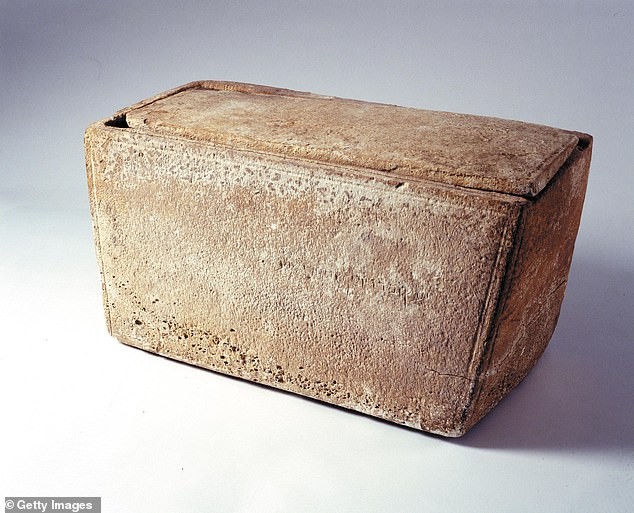
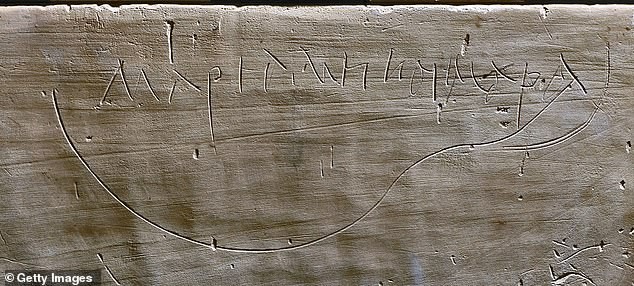
The James Ossuary, a first-century carved limestone box, has been described as 'the most significant item ever found' from the time of Christ. The 2,000-year-old ossuary made global headlines in 2002 when it was exhibited in Washington, hailed as the first potential physical evidence of Jesus's existence. Its fame comes from an Aramaic inscription, which reads: 'Ya'akov bar Yosef achui de Yeshua', meaning 'James, son of Joseph, brother of Jesus'. Because the names correspond to those of Jesus of Nazareth's brother and father, many speculate that the box once held the remains of James the Just, the first leader of the Christian community in Jerusalem after the crucifixion. The inscription has caused ripples worldwide, sparking debate over whether the 'brother of Jesus' portion is authentic, archaeologist Bryan Windle told Daily Mail. 'In my view, the evidence suggests the James Ossuary is a legitimate first-century CE bone box and that the entire inscription is authentic,' he said. While archaeologists agree that the box itself is authentic and dates from the right period, the inscription is another matter, with some having suggested that the 'brother of Jesus' part was added at a later date. The evidence hinges on whether the letters of the second half of the inscription 'match' the first half, and whether the 'patina' of ageing is the same across both halves. Israeli antiquities dealer Oded Golan was acquitted of faking the relic. The James Ossuary was not discovered in a formal archaeological excavation, but surfaced on the antiquities market in the 1970s. Its exact original findspot is unknown, though it was likely unearthed in the Jerusalem area or the West Bank, where many first-century tombs containing ossuaries have been found.
In This Article:
The Inscription That Sparked Global Debate
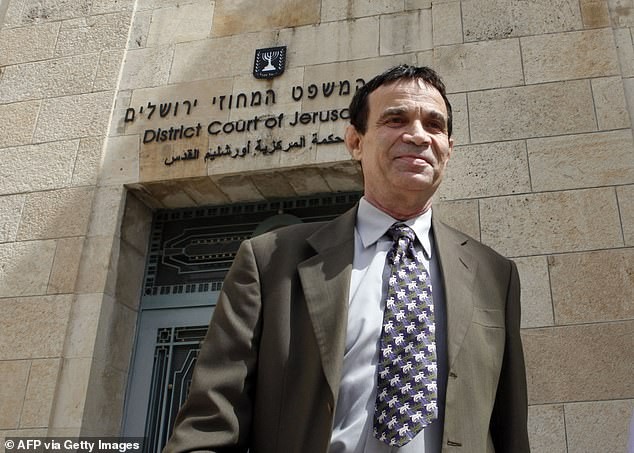
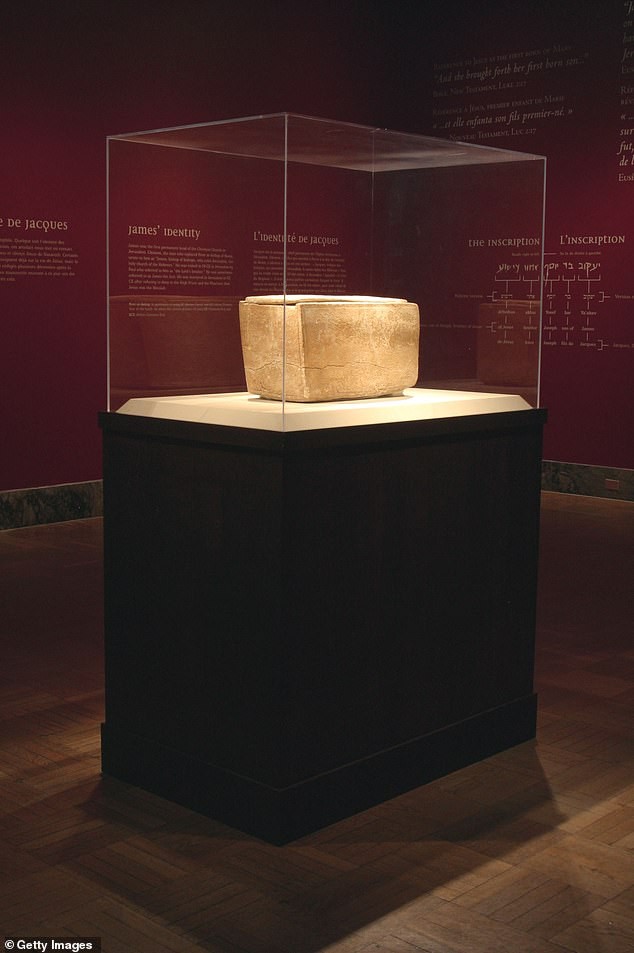
Controversy over the James Ossuary began in 2003 when its owner, Oded Golan, was accused of forging the inscription, including the 'brother of Jesus' portion, and applying a patina to make it appear ancient. Golan was acquitted after a long trial, though the Israeli Antiquities Authority (IAA) had declared the ossuary a forgery on June 18, 2003, a ruling Golan said ignored proper examination. He had acquired the ossuary in the 1970s from dealers in Jerusalem and the West Bank, revealing it three decades later. Golan was found guilty only of lesser charges. Windle acknowledged the difficulties in proving authenticity, telling Daily Mail: 'It is admittedly problematic that the James Ossuary was not discovered in a controlled archaeological excavation but surfaced through the antiquities market, complicating definitive authentication. 'However, expert testimony presented by proponents of forgery collapsed under cross-examination at the forgery trial associated with the artifact.' After the trial, Golan said: 'The hot-air balloon released by the prosecution and the IAA has finally popped. The limestone box, or ossuary, features the inscription 'James, son of Joseph, brother of Jesus,' written in ancient Aramaic An artifact believed to have once contained the bones of Jesus' brother James sits on display at the Royal Ontario Museum in Toronto in 2002
The Court Case and Acquittal
'The court has said its word and unequivocally determined that all the attempts to label others forgers were refuted in entirety.' The judge, however, noted the acquittal 'does not mean that the inscription on the ossuary is authentic or that it was written 2,000 years ago.' The ossuary was broken during shipping to the Royal Ontario Museum in 2003, providing a rare opportunity to study it closely. Windle said later analysis supports authenticity, despite the IAA's position. 'In summary, I believe the ossuary once held the bones of James, who was known in the first century as the 'brother of Jesus,'' a designation also attested by Josephus (Antiquities 20.9.1).
Modern Testing and the Ongoing Debate
Edward J. Keall, former Senior Curator at the ROM, wrote: 'We were able to show that the so-called 'two-hand' theory was baseless. Our examination showed that part of the inscription had been recently cleaned, a little too vigorously, with a sharp tool. And for some reason, whoever did it cleaned the beginning of the inscription, but not the end.' The Talpiot tomb, discovered in a construction site in Jerusalem in 1980, contained ten ossuaries with inscriptions naming figures such as Jesus, Mary and Joseph. Some researchers have suggested that the James Ossuary could be the 'missing' tenth ossuary from this tomb, potentially connecting it directly to the family of Jesus of Nazareth. James is said to have died as a martyr either in 62 AD by being stoned to death on the order of a high priest, or in 69 AD by being thrown off the pinnacle of the Temple by scribes and Pharisees and then clubbed to death. However, archaeologists have largely rejected this theory because the James Ossuary’s dimensions and style differ from those of the other ossuaries found in Talpiot, making it unlikely that it originated from the same tomb. The controversy has fueled ongoing debate among scholars, collectors, and enthusiasts over whether the ossuary is authentic, related to Jesus’s family or simply a coincidental first-century artifact. The debate continues, but Windle says modern testing strengthens the case for authenticity. 'Claims that the latter part of the inscription ('brother of Yeshu'a [Jesus]') was added later have been undermined by further testing that demonstrates the presence of ancient patina in letters in both portions of the inscription,' he said. 'In summary, I believe the ossuary once held the bones of James, who was known in the first century as the 'brother of Jesus,' a designation also attested by Josephus (Antiquities 20.9.1).