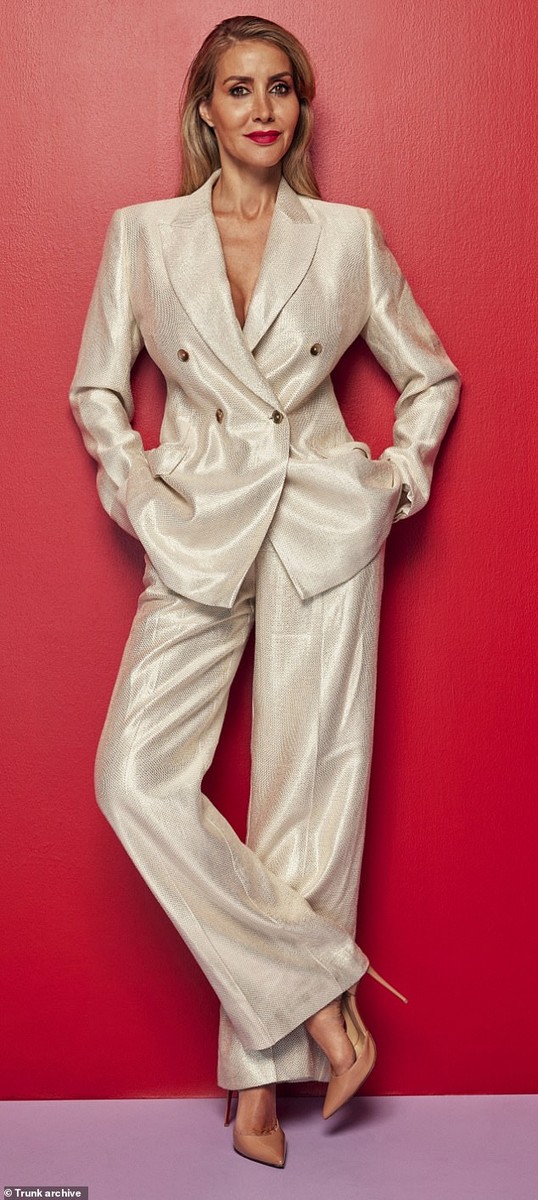


I walked away from a loving husband and two kids to become a high-profile escort at 40


For decades, I assumed I was bad at love. Spectacularly bad. Too flirty, too reckless, too addicted to the rush of a new man to ever make a relationship work. After years of dysfunctional dalliances, I did end up settling down with a nice, caring man in my 30s. We went on to have two children before the boredom set in. By 38, I was single again and that’s when the problems really started. At 39, so addicted was I to male attention that I became an escort. But not a discreet, secret one – quite the opposite. I became a high-class, high-profile escort whom I called Samantha X. She was far more confident, exciting and adventurous than me and for ten years, Samantha X took over my life. At the height of my fame (if you can call it that), I was in the papers most days with sensationalist headlines and risque photos, writing columns and running an escort agency for women over 40. When I was Samantha, I was always on the go. Always on a plane, unpacking in a hotel room, clinking champagne glasses with some beguiling businessman in an expensive suit, counting endless hundred-dollar bills and taking myself off shopping. As I saw it, I was in my 40s and if a man wanted to pay me five grand for dinner (and dessert...) and to be perfectly nice company, then why the hell not? But behind the scenes, I was an absolute mess. Friends and family questioned my mental health; my life was chaos. I refused to listen. They were the mad ones.
In This Article:
I was convinced I was bad at love and bipolar explained it all
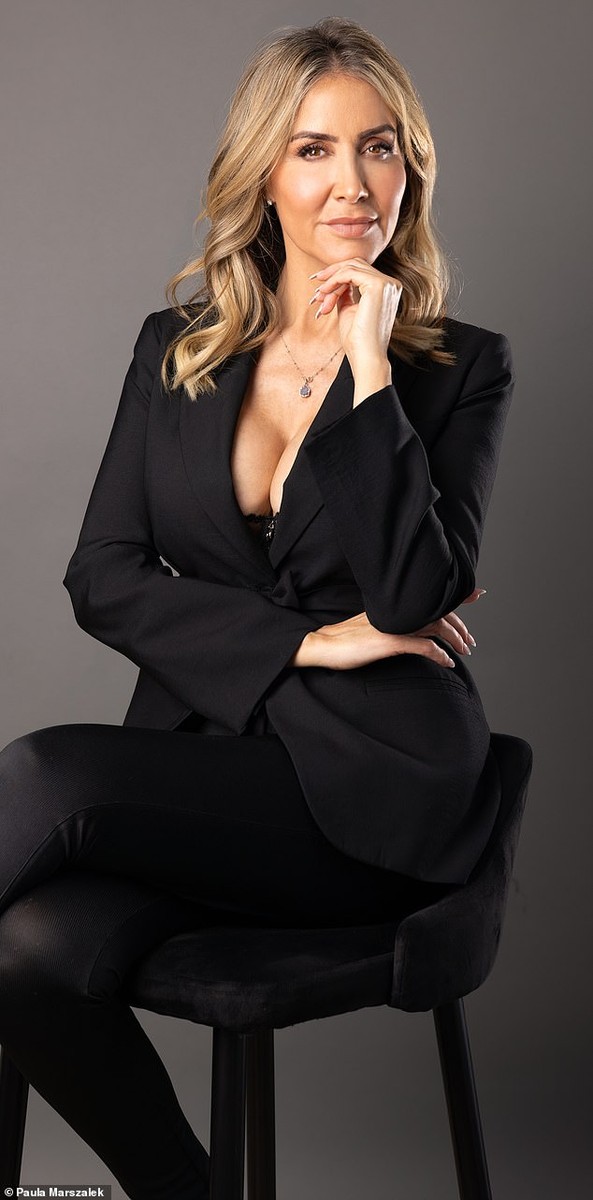
It was only in my late 40s that I discovered the real reason for all the drama, the mania, the frenetic love life. I am bipolar. Unlike other forms of neurodivergence such as ADHD, bipolar is highly stigmatised, even today. We are seen as crazy and dangerous. At 39, so addicted was I to male attention that I became a high-class, high-profile escort whom I called Samantha X At the height of my fame I was in the papers most days with sensationalist headlines and risque photos, writing columns and running an escort agency for women over 40 It used to be called manic depression and up to 3 per cent of the global population have it. While bipolar doesn’t discriminate, it is known to affect women more due to hormonal influences. And the biggest taboo about bipolar? The mania – and how it can lead to dangerous personality changes, risk-taking and sexual impulsivity. It means feelings of grandeur, delusion, disassociation, a huge sexual appetite and urge to conquer. Then, when the mania subsides, as it always does, I am left with the wreckage: the enormity of the consequences of my behaviour followed by the crashing lows. The guilt, shame, remorse and confusion as to why I was the way I was, assuming I was crazy and unstable. I cried with relief when a psychiatrist finally gave me a name for my madness. He assured me that once I was properly medicated I ‘would finally know who Amanda is’, and perhaps, one day, I might be able to have a stable relationship, first with myself, then with someone else. While I would never be cured, my cycles would be less severe. But why had this happened to me? I was told that my condition can be genetic or caused by trauma. For me, it’s probably a bit of both. My parents, both professionals, had a good enough marriage; I came from a stable home in south-west London. We had our issues like any family but there was no divorce, no messy split. I had a blueprint of what a relationship should look like. It was only in my late 40s that I discovered the real reason for all the drama, the mania, the frenetic love life. I am bipolar Even as a young teenager I was attracting unwanted attention – I’ve no idea why, maybe it was the vibe I gave off
The moment when trauma, love and self-medication shaped a life
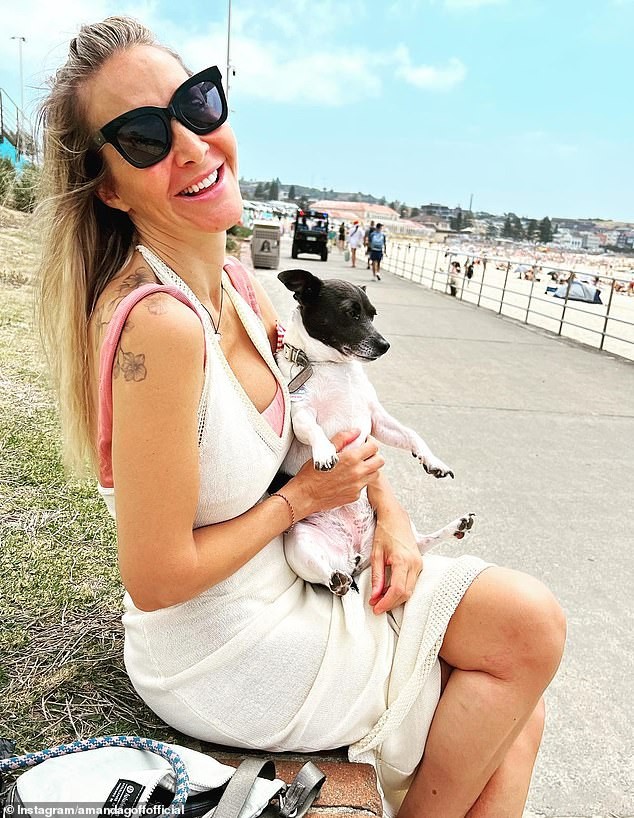
So I had always wondered why I couldn’t make a relationship work. In part, it also goes back to how men treated me from an early age. Even as a young teenager I was attracting unwanted attention – I’ve no idea why, maybe it was the vibe I gave off. One boy – someone I considered a friend – raped me when I was 16. We were watching TV one moment, the next he was on top of me, his jeans rolled down. I went into shock, totally disconnected. Did I misread this situation? He even apologised to me afterwards but I just felt numb. Was I supposed to be upset? I wasn’t sure how to feel, I was so dissociated, and didn’t have a close relationship with any girlfriends I could confide in. The underlying shame, guilt and confusion manifested into trauma which, over time, morphed into something else entirely. I started to believe I had some kind of magical power over men and I mistook that power for happiness. After all, the attention made me happier, better, stronger, braver. And something happened that I couldn’t explain: the validation I got from men soon became my oxygen. The only time I felt loved, seen, adored, desired – something I had never really felt before – was when men were giving me attention. Looking back, I confused sex for love, desire for care. It’s a very common and dangerous trait for people with undiagnosed bipolar to self-medicate with drugs and alcohol. That was certainly the case with me. A social drinker in my 20s, it ramped up in my 30s, 40s and beyond. Alcohol then drugs, coupled with my general mania, laid waste to relationship after relationship – through me cheating, my wild behaviour or men just not taking me seriously. I was that girl for whom one glass of wine was never enough. It had to be a whole bottle, then another, followed by tequila shots and waking up with a stranger. Looking back, I confused sex for love, desire for care. It’s a very common and dangerous trait for people with undiagnosed bipolar to self-medicate with drugs and alcohol I thought I was just wired that way. Why did I constantly cheat? Why was I always looking for the next thing, the next man, the next conquest? After being dumped came the crash, of not feeling loved and the depression would set in, sometimes leaving me bedbound for weeks. Friends laughed at my calamitous love life. And as most of them settled down, got married and had children, I felt compelled to do that, too, as ‘that’s what people did’.

Australia, fame and the price of a double life
In my 30s, I moved to Australia – a long-held dream since childhood – met that nice, decent man, had two beautiful children, of whose identities I am fiercely protective. I had a normal job as a journalist, a lovely home by the beach and a beautiful family. Some might call it the white-picket-fence life and say I was lucky. I called it prison. I suffered post-natal depression. I couldn’t sit still. My anxiety had morphed into anorexia, so I lived off coffee and exercise. I had no support because my family was in the UK. I tried to live this predictable life, of being ‘good’ and ‘well behaved,’ but electricity kept surging through my body. Was this my life now? No more men? When my youngest was two, I couldn’t stand it any longer and I pressed the detonate button. My partner and I separated, and we decided to share custody 50/50. I didn’t feel sad, I felt free. The weeks I had the kids I was Mum, but the seven days off, I was wild. I chased desire without thinking of the consequences. One-night stands blurred into affairs, boundaries dissolved and desire always won. Cheating websites, anonymous sex – nothing or no one satisfied the insatiable thirst inside me and I couldn’t process what I know now to be trauma. ‘I can so see you being in the adult industry,’ a girlfriend joked one day. We laughed but the suggestion sparked something new in me. It sounded risky and fun, a novel buzz I hadn’t encountered before. Could I do really do that? I was working as a journalist at a magazine so started doing a bit of research ‘out of interest’. Before I knew it, I’d found a small boutique ‘establishment’ and set up an interview with the madam – a petite, glamorous woman in her late 60s. ‘My darling,’ she purred. ‘You’re lovely, educated, professional, you have a great career. What brings you to sex work?’ ‘I love men and I love money,’ I responded immediately. What else could I say? She wouldn’t understand the jittery feeling I had to live with, the constant buzz. So she nodded, smiling, weighing me up. It was as if I was there – but not. I was sitting on a plush velvet sofa, looking out onto Sydney Harbour but I was floating far out of my body. What happened over the next decade was a whirlwind of six-star hotels, first-class flights to Los Angeles, intimate encounters… and soon plain old Amanda Goff gave up her day job to become Samantha X, Australia’s most high-profile escort. I wrote my bestselling memoirs, Hooked, and Back On Top, and most recently Misfit. I founded an escort agency for women over 40. I was flown to London and LA to appear on talk shows. Friends bit their lips, my family shrouded in shame. I was too high, too manic to feel anything. I remember someone questioning me before I signed a contract for my first book in 2014 which I was publishing under my real name. ‘Are you sure you want to out yourself?’ he said. ‘Don’t you care what people think?’ I looked at him, blinking, surprised. Of course I wanted to out myself! I wanted the fame, the glory, the ‘power’.
From sobriety to a grounded life and a new sense of self
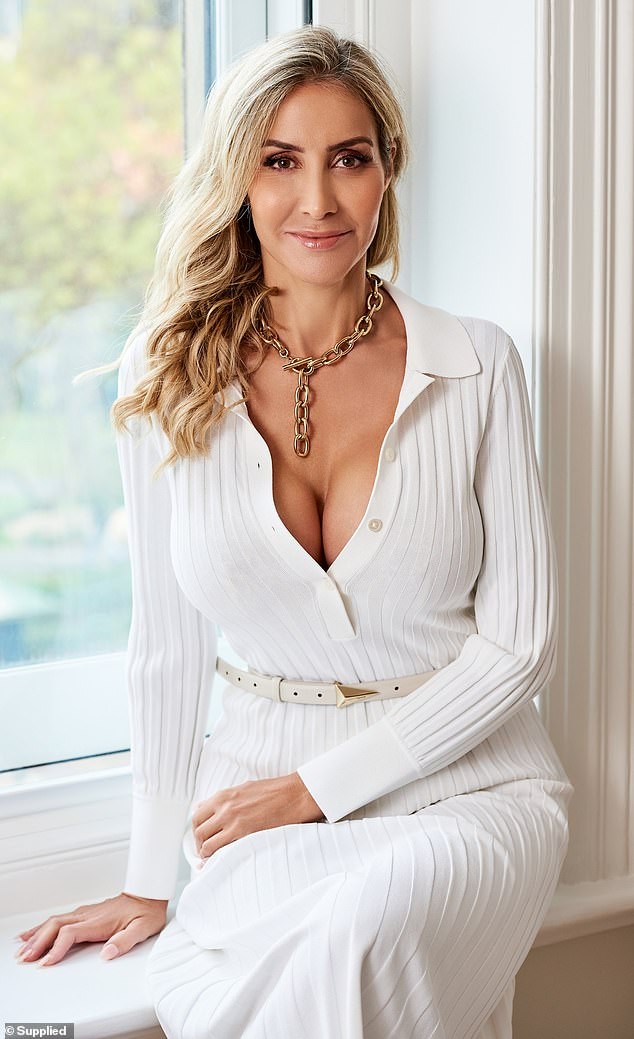
Back home, though, I was fantasising about how to kill myself and where, so convinced was I that everyone would be better off without me. Men came and went in that decade. I had a few relationships that ended in disaster. I wasn’t well enough to choose healthy men, let alone be an adult in a relationship with one. My escort work didn’t help. I’d give it up for ‘love’ only to become poor and depressed and always ended up going back, wrecking any chance of a lasting relationship. However, in 2023, I hung up my heels for the last time. I gave up for many reasons but the main one was family. The booze had become a nasty habit, too, and when I drank the blackness would creep in. I found myself in the rooms of 12 Step Meetings and realised sobriety was the only answer. Yet, even when sober, the manic highs and lows didn’t stop. I could no longer blame alcohol, so what the hell was wrong with me? In March 2023, I made an appointment to see psychiatrist Professor Gordon Parker, founder of the Black Dog Institute, who told me he was ‘100 per cent sure’ I had bipolar. It made perfect sense. When I am manic, I don’t feel broken, I feel invincible. I am smarter, sexier, sharper than anyone else. I made impulsive decisions, especially with men. I learned mania can last days, weeks, months, even years, before the inevitable crash. As soon as I was diagnosed, I was medicated. Within weeks it started to calm me down. A couple of years on, I am medicated and stable. I take 100mg of a mood-stabilising drug every night and probably will for the rest of my life. As for Samantha X, she stayed retired. I just wanted to be Amanda. It was like I’d been watching two TVs at once for decades and now I finally only had to watch one. I felt grounded. Normal. Clear. With that comes clarity. Being medicated feels like putting glasses on for the first time and seeing reality clearly after a lifetime of blurred lines. And, of course, with clarity comes the enormity of my very public choices. The shame. The guilt. The disbelief. Me, Amanda Goff? I became Australia’s most famous escort at the age of 40? I’ve had to carry a lot of shame. Had I known I had bipolar, had I been medicated earlier on, would I still have made the same choices? Would I have walked out on my partner, my job, my identity? I don’t know the answers. But for all the pitfalls, bipolar has been a gift in some ways. I wrote my bestsellers in record time, I have survived situations many wouldn’t and being Samantha taught me so much compassion and empathy. Plus, a big part of me misses the connection – and definitely the money! I’m back to being a journalist now and a part-time Pilates teacher. It’s a far cry from first-class flights and penthouse suites, but I am the happiest I have ever been. I’ve repaired relationships with family and even met a new man six months ago. I am happy, finally. I wasn’t ‘bad at love’ – I was unwell. And now I’m better, I am finally learning what healthy love means, at 51. Better late than never.