


Hangover Cures That Really Work Hydration and Gut Health Beat the Fry-Up


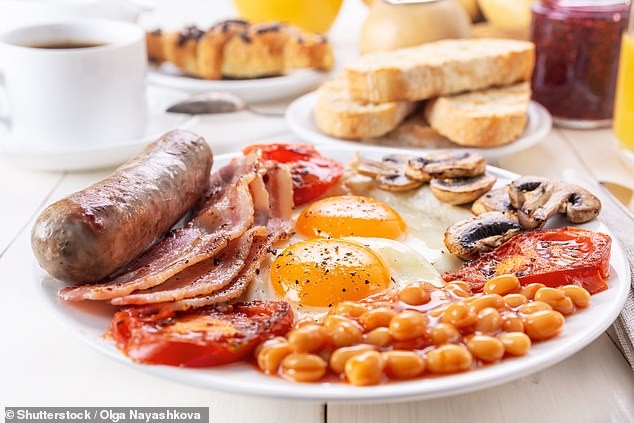
It's the season of sore heads – but if you expect a cooked breakfast will sort you out, it's time to think again. Experts have revealed the top hangover foods for boozy Brits based on their nutritional quality. They found meals rich in fluids, fermented foods, lean protein and vegetables can help speed up recovery following too many glasses of wine. However heavy, greasy and sugary dishes worsen hydration and can trigger energy crashes. The Lifesum team ranked 10 countries by the nutrients of their go‑to hangover meals. While Japan came in first place with a revitalising miso soup, the UK's favourite Full English placed bottom of the table. "Hangover meals are often indulgent, but small tweaks can make a big difference," Rebeka Bereczy, Lead Dietitian at Lifesum, said. "For faster recovery after a night out, focus on hydration and electrolytes – salty broths or electrolyte–rich soups restore your body far more effectively than a greasy fry–up." A tempting image captioned the moment—A Japanese miso soup with rice and pickles comes top of the table, as it boasts high levels of electrolytes, fermented foods, low fat and fibre.

In This Article:
- Japan Tops the Hangover Table with Miso Soup Electrolytes and Hydration
- Korea’s Vegetable Rice Soup with Kimchi Is Second Vitamins Minerals and Gut‑Probiotics
- Sweden’s Light Vegetable and Fish Soup Delivers Lean Protein and Hydration
- Mid‑Table Picks Czech Congee and Portuguese Seafood Stew
- Norwegian Fish Soup and Italian Vegetable Soup Offer Steady Energy and Antioxidants
- US and UK Dwell at the Bottom: Fried Breakfasts Are High in Saturated Fat
- Lifesum Guidance On Building a Recovery‑Friendly Plate
- Experts Debunk Fashionable Cures from King’s College London
- Takeaway From The Research: Moderation Is Key
- Liquid Lessons: The Best and Worst Drinks for Hangovers
- Red Wine and Headaches Tyramine and Histamine
- Mulled Wine Dizziness Shakiness and Fatigue
- Dehydration From Excessive Drinking
- Tequila No Hangover If You Don’t Go Overboard
Japan Tops the Hangover Table with Miso Soup Electrolytes and Hydration
A Japanese miso soup with rice and pickles leads the ranking, praised for its electrolytes, fermentation and hydration-friendly profile. The researchers said it’s high in electrolytes, fermented foods, low fat and fibre. Korea’s vegetable soup with rice and kimchi places second, as it contains vitamins, minerals and gut–friendly probiotics. And Sweden's light vegetable and fish soup comes in third, featuring lean protein, balanced macros and enough liquid to provide a hydration boost.
Korea’s Vegetable Rice Soup with Kimchi Is Second Vitamins Minerals and Gut‑Probiotics
Korea’s vegetable soup with rice and kimchi places second, as it contains vitamins, minerals and gut–friendly probiotics. Another mid‑table option is a Czech congee‑style congee‑style rice porridge, noted for being gentle on digestion and high in vitamins and fibre with low saturated fat.
Sweden’s Light Vegetable and Fish Soup Delivers Lean Protein and Hydration
Sweden's light vegetable and fish soup comes in third, featuring lean protein, balanced macros and enough liquid to provide a hydration boost. Some mid‑table dishes include a congee‑style rice porridge from the Czech Republic, a Finnish light broth with whole grains and a seafood stew with vegetables from Portugal. These are gentle on digestion, provide plenty of vitamins and fibre and are low in saturated fat.
Mid‑Table Picks Czech Congee and Portuguese Seafood Stew
A Czech congee–style rice porridge, a Finnish light broth with whole grains and a seafood stew with vegetables from Portugal are mid‑table options. They are gentle on digestion, provide plenty of vitamins and fibre and are low in saturated fat. A Norwegian fish soup with root vegetables is also a good option as it provides 'steady energy' and lean protein, while an Italian vegetable soup with lean meats boasts high levels of antioxidants and vitamins.
Norwegian Fish Soup and Italian Vegetable Soup Offer Steady Energy and Antioxidants
A Norwegian fish soup with root vegetables is also a good option as it provides 'steady energy' and lean protein, while an Italian vegetable soup with lean meats boasts high levels of antioxidants and vitamins. The lowest‑ranking hangover meals hail from the US and the UK, with an American greasy fry‑up and a Full English containing high levels of saturated fat and low amounts of fibre. A fry‑up increases fatigue and digestive strain, while a cooked breakfast is high in salt, low in micronutrients and is one of the least‑friendly recovery meals, the researchers said. Both also come in at over 1,000 calories each – far more than the average of 337 calories for the other options (about 1,410 kJ vs 4,184 kJ).
US and UK Dwell at the Bottom: Fried Breakfasts Are High in Saturated Fat
The lowest ranking hangover meals hail from the US and the UK, with an American greasy fry‑up and a Full English containing high levels of saturated fat and low amounts of fibre. A fry‑up increases fatigue and digestive strain, while a cooked breakfast is high in salt, low in micronutrients and is one of the least‑friendly recovery meals, the researchers said. Both also come in at over 4,184 kJ each – far more than the average of about 1,410 kJ for the other options.
Lifesum Guidance On Building a Recovery‑Friendly Plate
Lifesum said balanced macronutrients and portion control can reduce 'hangxiety' and energy crashes throughout the day. For the ultimate hangover cure, its experts suggest starting with hydrating foods like soups, broths and fruit. Combining lean protein with vegetables can support metabolic recovery, while adding fermented foods like kimchi or miso can boost gut health. Finally, pairing indulgent items with nutrient‑rich sides can improve the overall balance of a meal.
Experts Debunk Fashionable Cures from King’s College London
Researchers from King’s College London and South London and Maudsley NHS Foundation Trust said there is 'no convincing scientific evidence' that fashionable hangover remedies are effective at all, with 'only very low quality evidence' that there's any effective 'pharmacologically active intervention for treatment or prevention of an alcohol–induced hangover'. They claim that the best method of preventing hangover symptoms is to completely avoid alcohol or drink in moderation. They also warn against potentially harmful 'hair of the dog' methods – in other words, drinking alcoholic substances such as whisky the following morning.
Takeaway From The Research: Moderation Is Key
Do you want to curb some of the awful hangovers that come with the festive celebrations this time of year? Hangovers differ not only depending on how much you drink, but also the type of drink you choose that evening. Mulled wine is a yearly festive favourite, but sadly makes you feel worse for wear because it’s a sweet choice that can cause fatigue and dizziness the next day due to fluctuating blood sugar. Where tequila apparently causes no hangover due to the process behind making the Mexican tipple.
Liquid Lessons: The Best and Worst Drinks for Hangovers
Here, Femail’s Lizzie May provides the inside information you need to know what drink will cause you what symptoms of your hangover the next day. DARK SPIRITS: MUSCLE ACHES AND SEVERE NAUSEA Dr Zenon Andreou, a GP and online doctor for Asda Online Doctor by ZAVA, said that by drinking a lighter spirit like vodka, gin and light beers, you are consuming less congeners with each glass. Congeners are a by–product of the fermentation process that goes into making darker drinks like dark rum and whiskey, red wine and brandy. With 15 years of experience sourcing, trading, and learning about wine and spirits, Steve King, managing director at Bottled and Boxed, an online alcohol retailer, said that these darker spirits can prolong your symptoms of a hangover because your body has to break down both the alcohol and the congeners. Congeners have been known to make symptoms such as headaches, muscle aches and nausea more severe. Dr Andreou added that they can be toxic, which mfeans they interfere with your body's cell functions, hindering the body's ability to repair itself the next morning.
Red Wine and Headaches Tyramine and Histamine
RED WINE: HEADACHES Red wine headache is a type of hangover specific to red wines, with some people experiencing nausea and migraines within just 15 minutes of drinking a glass. The darker wine has natural substances called tyramine and histamine which can cause the restrictions of blood vessels in the body, leaving you with a headache in the morning, says Dr Andreou. He added: 'These substances are sometimes up to 200 per cent higher in red wine than white wine, which is why you might feel worse after a night of drinking red.' Kerry Beeson, Nutritional Therapist at Optibac Probiotics said organic red wine might be a better alternative. She said: 'Alcohol can reduce friendly bacteria levels in our gut but so too can those foods that tend to go hand in hand with alcohol – high sugar, high fat and heavily processed – creating a double whammy assault on the gut and the friendly microbes that live there. 'However, choosing organic red wine which has shown to be beneficial in small quantities.'
Mulled Wine Dizziness Shakiness and Fatigue
MULLED WINE: DIZZINESS, SHAKINESS AND FATIGUE Although mulled wine has a lower alcohol content, when over–consumed, the natural and added sugars in mulled wine can spike your blood sugar levels rapidly, which can also cause headaches the next day. This is due to hyperglycemia, or reactive hypoglycemia, an over or under–compensation of glucose in your bloodstream. And, as a result, can lead to unpleasant side effects such as dizziness, shaking and fatigue. Celebrity nutritionist Yalda Alaoui said that calories vary enormously depending on the choice of alcohol you are opting for – and that affects how you feel the next day. While a 125ml glass of wine contains around 125 kcal (523 kJ), dry champagne averages around 95 kcal (398 kJ), a sugary glass of mulled wine averages at 235 kcal (982 kJ) each, causing sugar cravings and a worse hangover the next day. She says: 'I recommend staying clear of sugary alcoholic beverages and opting for dry wine or champagne to minimise the disruption on blood sugar levels and reduce cravings after consumption. 'The bonus with vintage wines is that they contain bacteria which might be beneficial for your gastrointestinal health.'
Dehydration From Excessive Drinking
TOO MUCH OF ANY ALCOHOL: DEHYDRATION Dr Kathryn Basford, also a doctor for Asda Online Doctor by Zava, explained the making of a hangover and the science behind it. She said: 'When you drink, alcohol enters the bloodstream and inhibits the body's production of vasopressin, a pituitary gland hormone which tells the body to retain water in the kidneys. 'Without this, water goes directly to the bladder (which is why drinkers make lots of visits to the loo) and leaves the body dehydrated. 'The headache that often signals the hangover is the brain's reaction to this loss of fluid, while the nausea and lack of energy that accompanies the headache is the body's response to low blood sugar levels and the loss of the minerals and electrolytes which help the body to function properly. 'The more you drink, the more likely you are going to feel these effects, and the longer you might take to recover.
Tequila No Hangover If You Don’t Go Overboard
TEQUILA: 'NO HANGOVER' IF YOU DON'T GO OVERBOARD! Tequila is often considered the go–to drink for people on a night out, says Dr Andreou. 'Pure, quality tequila made from 100% agave goes through a different type of fermentation process which means less sugars and congeners are inside the drink to make you feel so bad the next day. He said: 'When consumed in moderation and alongside water to keep you hydrated, you may be able to wake up the next day almost hangover free.'