

Ginger Unpeeled The Real Power of the Spicy Root and the Truth Behind Its Sickness-Cure Hype


During December, it's impossible to pass a bakery without being eyeballed by a little grinning gingerbread man—which makes a change from us staring down the golden root when we're suffering from a stomach ache. For centuries, ginger was a key ingredient in Southeast Asian cooking, pepping up dishes from China to India, later making its way to Europe, where it made an equally substantial dent on menus from the Mediterranean to Britain. And, it's been regarded as a vital element in herbal medicine for almost just as long, with the sandy-coloured root first mentioned in a culinary sense in traditional Chinese medicine texts dated around the 1st century BC. Today, ginger is still in demand in culinary and herbal medical circles. It is a true double threat: It can pep you up, or help settle your stomach. The Daily Mail asked two experts just what is so special about ginger, and if it truly is the one-stop sickness solver its claimed to be.

What Is Ginger?
The ginger that we buy in the fresh aisle of the supermarket is the root of the flowering plant zingiber officinal which is native to Southeast Asia. It can be eaten in a variety of ways; fresh, dried, powdered, pickled or brewed as tea. Sign up for our free Health newsletter Transform your health every Tuesday with expert guides, real-life stories and advice from top doctors By signing up, you will receive our newsletter as well as marketing emails with news and updates from the Daily Mail. You can unsubscribe at any time. For more information, see our Privacy Policy. Ginger contains a plethora of minerals which the body needs for basic functions; nicotinic acid (a B vitamin), vitamin A—which is essential for good eyesight—and vitamin C, which powers our immune system. It's also packed with trace minerals potassium, magnesium, and copper, and fibre. But it's the 400 bioactive compounds, including 40 antioxidant compounds, such as gingerol, which make it so good for us. Grace Williams, a Health and Nutrition Coach, tells the Daily Mail: 'Ginger does technically contain small amounts of minerals like potassium, magnesium, calcium, iron, along with vitamin C and B vitamins—but not in quantities that meaningfully contribute to daily nutritional needs. 'Its real power comes from its bioactive compounds, particularly gingerols and shogaols, which are responsible for its well-researched effects on nausea and digestion, inflammation and pain, circulation and metabolic signalling and blood sugar regulation.'
How Does Ginger Cure Nausea?
It's ginger's active compounds—gingerols and shogaols—which can reduce the sensations of nausea by blocking the production of prostaglandins, molecules released by the body which trigger contractions and pain. Tracey Randell from IBS Clinics tells the Daily Mail: 'Prostaglandins are made from omega three fats in our cell membranes, and they control three main things; they regulate inflammation in the gut, they determine how much protective mucus is made; and they also influence muscle contractions. Ginger can be used as a savoury or sweet ingredient 'Prostaglandins are part of the signalling system in the body, but when they're out of balance, you get IBS symptoms—cramping and pain and inflammation. 'Ginger is able to rebalance these chemical messengers which is why it's so effective for digestive issues.' She adds that prostaglandins can also cause menstrual cramps, making a warm cup of ginger tea a period must-have. Furthermore, gingerols and shogaols speed up stomach emptying and digestion, and block the receptors that can trigger vomiting. And, thankfully for people who don't enjoy the taste, you don't need to ingest a lot of ginger to reap the benefits. Studies have confirmed that ginger is an overall tonic for the digestive system, and has been found to not only reduce nausea but also relieve other painful and uncomfortable stomach disorders. Earlier this year, a study published by Clinical Nutritional Open Science concluded that a daily dose of 2000 mg of ginger can help improve several digestive problems. It may ease indigestion, support bowel health, reduce the risk of colorectal cancer, and help protect against stomach ulcers in people with gut-related conditions.

What Is the Best Way to Eat Ginger?
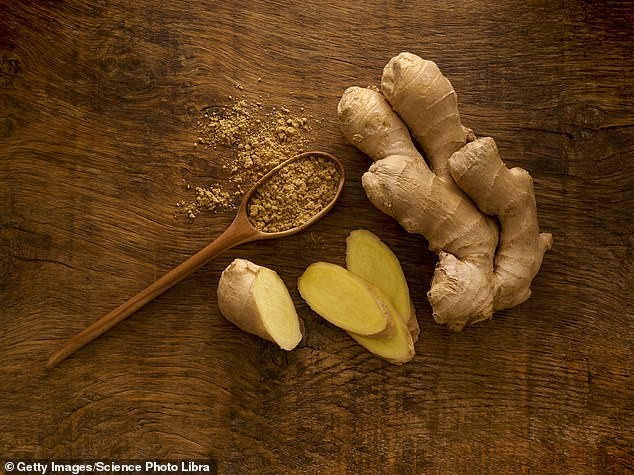
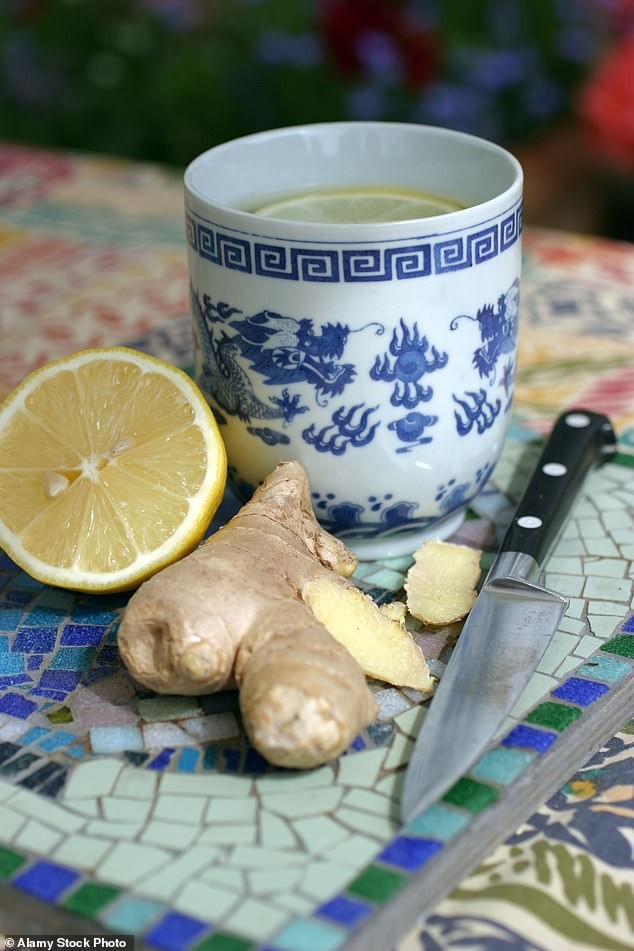
Presented in its raw form, ginger's fibrous, knobbly roots are immediately recognisable, but there are other ways to bring it into your kitchen. It's available as a finely ground powder, in tea bags, as a jar paste, in crystallised form, and baked into cakes and biscuits. Ms Randell says that while ground ginger also has a lot of beneficial properties, getting it in its raw form is best. 'I think fresh ginger is on balance, is the best because it has a higher volatile oil content,' she says. 'This makes it more effective for things like nausea and digestive upsets, and it's better for acute symptoms. It works more quickly. 'One of the active compounds that's found in ginger root, gingerol, is particularly dominant in the root. 'This is because the higher moisture content of the root preserves the volatile compounds, which is why it is a bit more pungent than the dried version.' Can ginger protect against seasonal bugs and super flu? Ginger might help during cold and flu season by making symptoms easier to live, but it's despite being lauded for its anti-inflammatory and antioxidant properties, it won't prevent infection. Drinking ginger tea can boost your hydration levels, can soothe sore throats, and settle nausea, but there have been no human trials showing it prevents or cures colds, flu, RSV, or COVID‑19. Who shouldn't eat ginger? Ginger is generally safe for everyone to eat, but if you're taking high doses in the form of supplements, they might affect blood thinners or your blood sugar levels, so seek advice from your GP before taking them. It's also best to only have a moderate amount if you're experiencing emotional stress, adds Ms Williams. 'Daily raw ginger shots or concentrated juicing can be too stimulating for some people, particularly those already under high physiological or nervous system stress,' she says. 'In these cases, overly sharp or intense forms of ginger can worsen reflux, anxiety or digestive irritation rather than support balance.'