

Garlic Mouthwash Could Outsmart Chlorhexidine—Science Says Yes


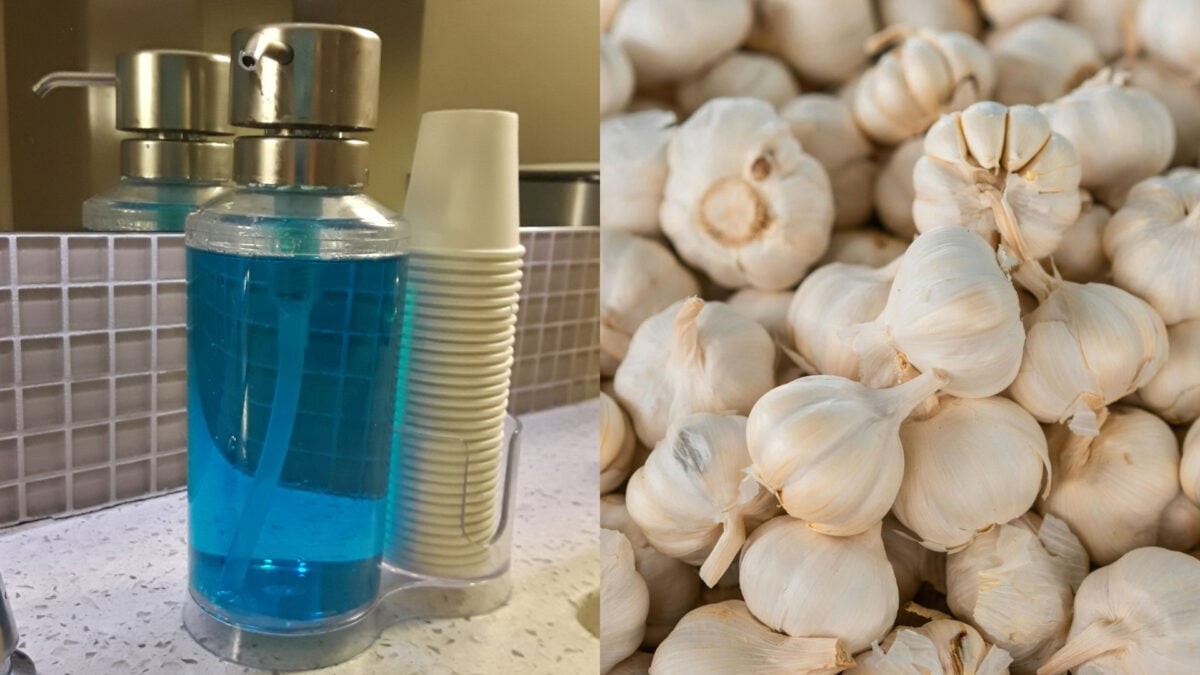
It turns out that, in addition to keeping vampires away, garlic might also have decent mouthwashing capabilities. A team of researchers has conducted a review of past studies regarding garlic extract’s potential as an antimicrobial mouthwash compared with chlorhexidine, the current standard. While further research is necessary, they concluded that it can indeed serve as a viable alternative, particularly in higher concentrations. The side effects described by the researchers, however, failed to address what a garlic-based mouthwash would mean for one’s romantic life. Maybe that’ll be for the next review.
Clinical Findings: Garlic Extract Could Match Chlorhexidine at Higher Concentrations
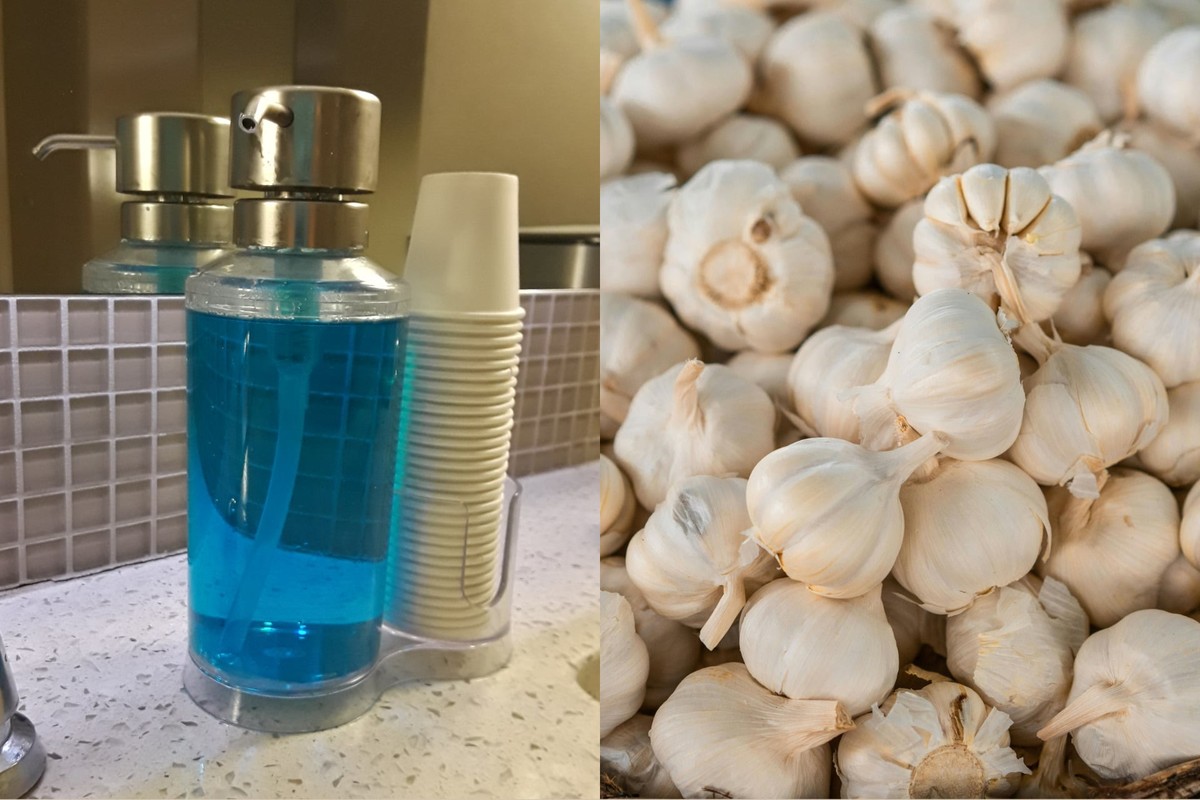
Antimicrobial mouthwashes are used to treat bacterial, fungal, and viral oral diseases impacting the mouth’s hard or soft tissues. Patients can use them for gingivitis, cavities, periodontal diseases, and even halitosis—a.k.a. bad breath. “Chlorhexidine is widely used as a gold standard mouthwash but is associated with side effects and concerns over antimicrobial resistance. Garlic (Allium sativum), known for natural antimicrobial properties, has emerged as a potential alternative, though clinical evidence remains limited,” the researchers, all from the University of Sharjah’s College of Dental Medicine, wrote in a review article published this fall in the Journal of Herbal Medicine. “This systematic review compares the antimicrobial efficacy of garlic extract with chlorhexidine in clinical practice, assessing its viability as a herbal substitute,” they added. From an initial pool of over 400 articles, the team narrowed the selection down to five, and their review revealed that higher concentrations of garlic extract mouthwash exhibited antimicrobial capabilities comparable to chlorhexidine. Chlorhexidine is a common synthetic antimicrobial agent effective in different medical and dental contexts. Garlic, the vegetable virtually everyone knows and loves, is frequently used as an herb and spice and is one of the strongest naturally occurring antibacterial and antifungal crops. While garlic extract can cause side effects, they’re usually less intense than side effects linked to synthetic chemicals. Nevertheless, “the effectiveness varied based on mouthwash concentration and duration of application, contributing to differences in outcomes,” the researchers wrote. “Some studies favored chlorhexidine for maintaining higher plaque/salivary pH, while others reported garlic extract to be more effective at certain concentrations. However, garlic mouthwash may cause greater discomfort.” The papers reported side effects such as a burning sensation and unpleasant odor. Unsurprisingly, this might impact people’s inclination to drop chlorhexidine for a vampire-resistant alternative. Garlic extracts, however, are more easily accessible than chlorhexidine and similar synthetic agents, which usually necessitate a prescription. They are commonly accessible in a number of over-the-counter health products. What’s more, mouthwash with garlic extract seems to have more lasting residual effects than chlorhexidine. Overall, “garlic extract mouthwash demonstrated clinical antimicrobial effectiveness, with significant reductions in bacterial counts from baseline,” the researchers explained. Their review indicates that, in certain situations, garlic extract mouthwash could be a possible alternative to antiseptics and disinfectants such as chlorhexidine, which remains the gold standard mouthwash. “These studies have contributed to understanding the antimicrobial role of garlic extract in comparison to synthetic agents like chlorhexidine,” they continued. However, “further clinical studies with larger samples and longer follow-up are needed to confirm effectiveness and improve clinical applicability.” Someone also needs to check in on the potential for garlic breath.