


From swallowing live fish to hay baths the world’s strangest health remedies we still know of


Rapid advances in modern medicine mean people are living longer than ever before, with new cures and treatments being discovered every day. But the journey to unravel the secrets of the human body has been anything but straightforward. For centuries, people across the world have turned to weird and wonderful cures in the name of healing. From live fish swallowed whole to 'treat' asthma in India, to fermented baby mice wine in China, some of these age-old remedies are still around—and remain as bizarre as ever. A few traditions, like Ireland's centuries-old seaweed baths, are enjoying modern revival. Others survive only in pockets of remote communities, fiercely defended by those who swear by them. But, long before antibiotics and modern science, these were the treatments people relied on—however strange, slimy, or stomach-churning. Here we look at some of the strangest remedies once used around the world.
In This Article:
- Snail syrup in Germany still used as a traditional throat remedy
- South Tyrol hay baths evolved from farming practice to modern spa therapy
- Powdered human remains known as mumia were once prescribed as medicine
- England’s mustard bath a long-standing home remedy
- Llama fat in rural Bolivia used to guard against illness and misfortune
- Hong Kong’s dried lizard soup a regional winter tonic
- Red garra doctor fish therapy in Turkey now a global spa trend
- Peruvian frog tonic sold as health shot despite conservation concerns
Snail syrup in Germany still used as a traditional throat remedy
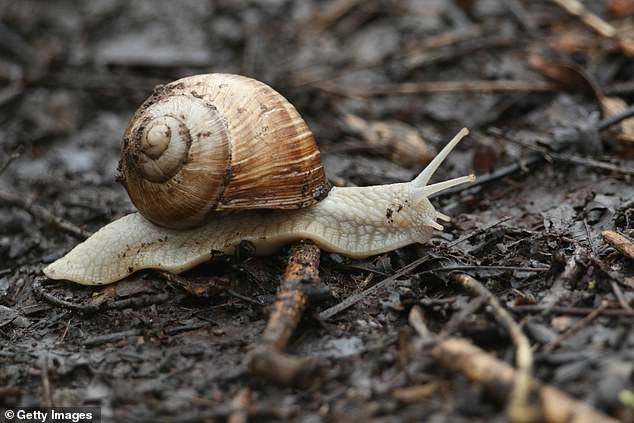
To the surprise—and occasional horror—of many outsiders, snail syrup is still used in Germany as a traditional remedy for sore throats and stubborn coughs. The thick, glossy liquid was once made by crushing live snails with sugar, creating a mucous-rich concoction believed to coat and soothe irritated throats. Today's versions are thankfully more refined, usually produced commercially using snail extract rather than whole crushed animals. To the surprise—and occasional horror—of many outsiders, snail syrup is still used in Germany as a traditional remedy for sore throats and stubborn coughs (stock image) But the principle remains the same: advocates believe compounds in snail mucus help thin phlegm, calm inflammation and reduce coughing. For many German families, a spoonful of snail syrup remains as familiar as honey and lemon elsewhere—a relic of folk medicine that has quietly survived into the modern age, despite lingering scepticism from doctors.
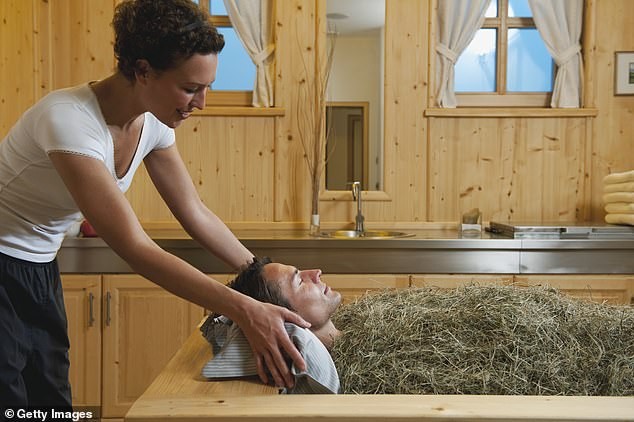
South Tyrol hay baths evolved from farming practice to modern spa therapy
In South Tyrol, northern Italy, hay baths have been part of local life since Tyrolean farmers first discovered the warming, soothing effects of fresh-cut alpine hay. After long days working in the mountains, farmers would bury themselves in piles of freshly harvested grass, noticing it eased aching muscles, stiff joints and exhaustion. Over time, the practice evolved into a recognised local therapy. In South Tyrol, northern Italy, hay baths have been part of local life since Tyrolean farmers first discovered the warming, soothing effects of fresh-cut alpine hay. Pictured: A man having hay bath with female therapist Modern hay baths are far more luxurious than their origins, with guests wrapped in warm, damp, herb-scented hay that releases essential oils from alpine plants such as thyme, arnica and wildflowers as it heats up. Supporters say the treatment helps relieve rheumatic pain, stimulate circulation and promote deep relaxation - a rustic spa ritual that has been refined over centuries and is now marketed to tourists seeking natural wellness therapies rooted in tradition.

Powdered human remains known as mumia were once prescribed as medicine
In Europe and the Middle East, powdered human remains were considered a legitimate medical treatment - with Egyptian mummies at the centre of the gruesome trade. From the Middle Ages through to the 18th century, doctors prescribed 'mumia' - a dark powder made by grinding up embalmed bodies - as a cure for everything from headaches and stomach pains to internal bleeding and plague. The belief stemmed from a mistranslation: medieval physicians confused mummiya, a natural bitumen used in medicine, with actual mummified flesh. For centuries in Europe and the Middle East, powdered human remains were considered a legitimate medical treatment - with Egyptian mummies at the centre of the gruesome trade. Pictured: An Egyptian mummy in a tomb in the Draa Abul-Naga burial site for noblemen on the left bank of the Nile Demand soon exploded, leading to widespread tomb-raiding and even the creation of fake mummies made from recently deceased bodies. Patients were told the ancient remains carried healing powers preserved through the embalming process. The practice eventually fell out of favour as medical science advanced - but not before countless ancient bodies were consumed in the name of health.
England’s mustard bath a long-standing home remedy
In England, the humble mustard bath remains one of the nation's most longstanding home remedies. Traditionally made by mixing powdered mustard with hot water, the bath creates a warming, tingling sensation said to draw blood to the surface of the skin. Believers claim it helps detoxify the body, ease cold and flu symptoms, soothe sore muscles and revive tired limbs - the Victorian answer to modern-day cold remedies. Even today, many swear a mustard bath before bed can 'sweat out' a winter illness and leave you feeling reborn by morning.
Llama fat in rural Bolivia used to guard against illness and misfortune
In parts of rural Bolivia, llama fat has long been used as a traditional remedy believed to protect against illness and misfortune. Rendered llama fat is rubbed onto the chest or back to treat colds, joint pain and respiratory problems, while small amounts are sometimes consumed during traditional rituals. Locals believe the animal’s strength and endurance are transferred to the person using it. The fat is also burned as an offering to Pachamama - Mother Earth - during ceremonies intended to bring good health, fertility and protection from harm. In parts of rural Bolivia, llama fat has long been used as a traditional remedy believed to protect against illness and misfortune. Pictured: Grazing llamas at a farm in the municipality of Turco, Oruro Department, Bolivia Though dismissed by modern medicine, the practice remains deeply rooted in Andean culture, passed down through generations as both a physical remedy and a spiritual safeguard.
Hong Kong’s dried lizard soup a regional winter tonic
Hong Kong's dried lizard soup is widely regarded as one of the region's most unusual medicinal broths. Whole lizards are dried until crisp, then simmered with yams, red dates and onions to create a savoury, slightly sweet soup thought to boost energy and restore the body. Those who support the remedy say it helps soothe sore throats, ease chesty coughs and strengthen the immune system - making it a popular winter tonic for families who grew up with traditional Chinese medicine. For the full effect, some insist a male and female lizard must both be added to the pot.
Red garra doctor fish therapy in Turkey now a global spa trend
The use of red garra - better known as 'doctor fish' - began in Turkey's Kangal region in the 19th century, where locals noticed the fish gently nibbling at damaged skin. Before long, travellers with psoriasis, eczema and other skin conditions flocked to mountain pools in hopes of relief. Today, the treatment has gone global. As the fish eat away only dead skin, they leave healthy skin untouched, offering a natural exfoliation that many spa-goers find surprisingly relaxing. Fans claim it improves circulation, softens the skin and, for some, even relieves chronic itching.
Peruvian frog tonic sold as health shot despite conservation concerns
High in the Andean mountains, some Peruvian villagers still swear by a blended frog tonic as the answer to a host of health complaints. The mixture - often made with fresh frogs, maca root, honey and local herbs - is believed to revitalise the body, boost energy levels and strengthen the immune system. Supporters claim frog juice can help with everything from anemia and bronchitis to low libido and brittle bones. It's sold in local markets as a kind of all-purpose health shot - though with the Titicaca water frog now endangered, conservationists strongly advise against its continued use.