


From apartment to canal boat: selling up to live on a 17.4‑meter floating home


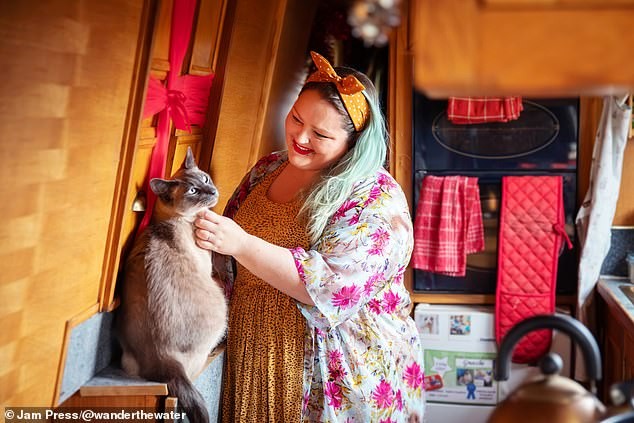
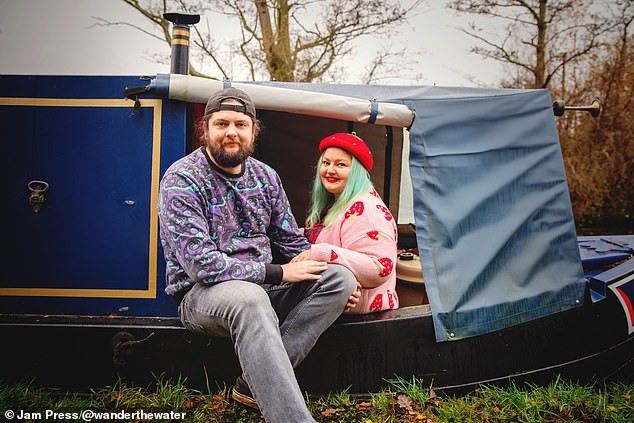
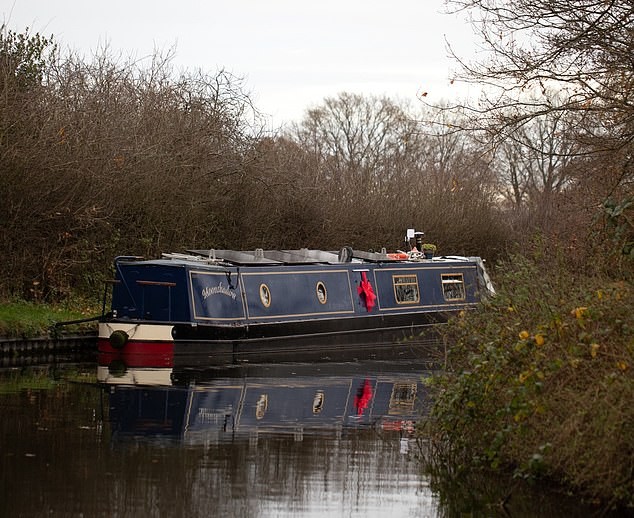
A woman who sold her apartment and moved onto a 17.4‑meter canal boat in a bid to save money has lifted a lid on the highs and lows of life at sea. Tish and her partner Josh decided to leave their traditional abode for a home on the water in 2024 due to rising living costs in the UK. The pair, aged 36 and 35, now move locations every two weeks, which they say feels a bit like a permanent 'holiday'. Tish explained to What's the Jam recently: 'It was always part of our long-term plan to move onto a boat.' 'We planned to retire to one, and then one day we asked ourselves why we were having the mindset that we needed to wait until our 60s to have the life we dreamed of.' 'Our rent was continually going up, and the goalposts for the housing market kept moving.' 'We'd been saving for years and never stopped to think about whether we even really wanted to buy a house or if it was just something we were taught was the next thing you do.' 'When we really asked ourselves what we wanted out of a house, they were all things that a boat could provide us, with the added bonus of an adventure.' The pair moved onto their boat in early 2024 after high rent costs and the housing market left them rethinking things. The couple say they save roughly $1,000 a month since the move: 'For us personally, when we moved out of renting, our outgoings went down by roughly $1,000 a month,' Tish said.
In This Article:
Saving and spending on a boat: roughly $1,000 saved per month, with diesel and weather at the center
Every boat is different [in terms of] how the running costs are. Our fire is connected to our diesel tank, so we spend a lot more on diesel than others, but we spend zero on coal. But we have different costs to save for, like batteries, solar panels and blacking. And our costs are determined by the weather; summer is much cheaper because of sunlight. Winter is roughly $250 a month more for us because of the increase in diesel for running the fire and charging our batteries for electricity. Would you give up modern comforts for a cheaper, slower life on a boat, or is it not worth the trade-offs?
A sense of peace and a new set of priorities
Tish says life on the water brings a different mindset and a sense of peace that’s hard to put into words. 'I’m asked a lot by people what it’s like to live on a boat, and it’s hard to put into words to someone because it’s a feeling more than anything, of peace.' 'It’s not just a place to live but an entirely different mindset to life. We felt quite held down by our belongings, and it was very liberating getting rid of 90 percent of the things we own.' 'What we hold value to now has changed; sunlight, water, nature and our loved ones are the most valuable things in our lives.' 'I’ve been a long-time sufferer of mental health [issues], and the changes were day and night, living on water just agrees with me.' 'I have seen things some people will never see with their own eyes, and the closeness to nature gives you a totally new respect for it.' 'I’ve rescued a squirrel out of the canal, I’ve had ducklings asleep next to my front door, we saw a mole digging next to our window once, ducks and swans regularly knock on our boat asking for food.'
The downsides of nomadic living
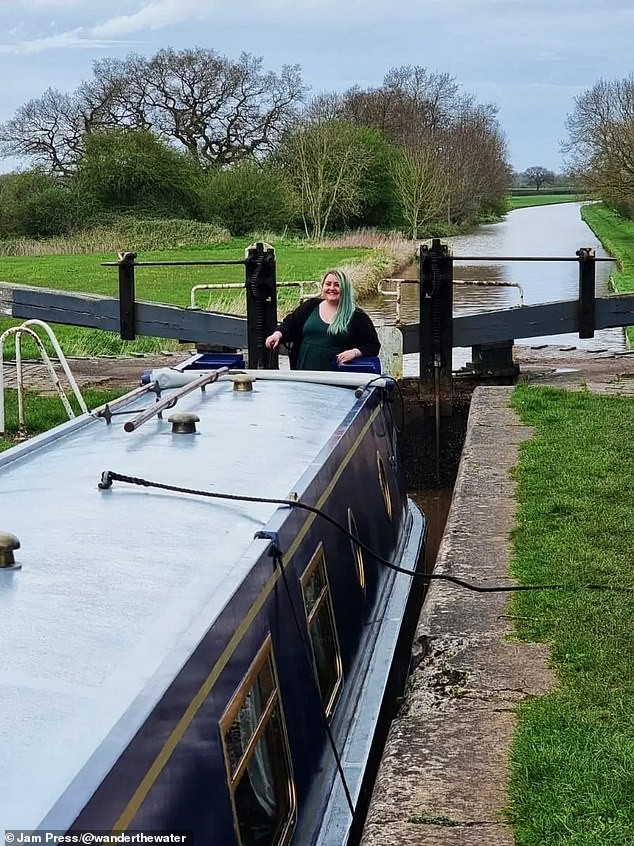
There are downsides, such as not having places to dispose of their trash and the need to constantly plan ahead. 'Some things are harder – it’s a more time-consuming way of life,' Tish admitted. 'I can’t pop my rubbish into my [garbage] bin. If I’m lucky, I’ll find a bin a mile’s walk away.' Since making the move, the couple said they save roughly $1,000 a month. 'And it takes five hours to sail a 12-minute car journey.' 'We don’t have room for a washing machine, so we have to leave our home to wash clothing.' 'It’s all things that take up more time – but, for me, the benefits far outweigh any negatives.'
Ultimately, it’s a lifestyle, not a financial shortcut
'But batteries don’t last forever, blacking is done every few years, and there are lots of other costs to factor in.' 'So if it’s something you’d be considering, money is the wrong reason to do it; it’s a way of life, and that’s the main reason to do it.' 'I know that sounds very appealing, and in a world where everything costs too much, it looks like a wonderful solution to a cost-of-living crisis,' she concluded.