


Festive drinks ranked — which of your favourite tipples do the most and least damage to your body


Festive drinks such as mulled wine, Baileys and eggnog could be packing far more calories and sugar than many drinkers realise, nutrition experts have warned. Some popular Christmas tipples contain enough hidden calories to rival fast food – raising concerns they could contribute to weight gain and tooth decay over the festive period. Dieticians say a single glass of Baileys contains roughly the same number of calories as half a portion of McDonald's fries, while a serving of eggnog can exceed the calorie content of a traditional Christmas pudding. Health officials advise that adults should drink no more than 14 units of alcohol a week – equivalent to around six medium glasses of wine or six pints of beer – but experts warn festive drinking habits can easily push people beyond that limit. Excess alcohol intake has been linked to weight gain, dental problems and a higher risk of long-term health conditions. To help consumers make more informed choices, the Daily Mail asked leading UK dieticians and nutritionists to assess the calorie and sugar content of popular festive drinks, ranking them from the worst offenders to lower-calorie alternatives. Sign up for our free Health newsletter Transform your health every Tuesday with expert guides, real-life stories and advice from top doctors By signing up, you will receive our newsletter as well as marketing emails with news, offers and updates from the Daily Mail. You can unsubscribe at any time. For more information, see our Privacy Policy.
In This Article:
- Baileys Hot Chocolate – the most calorie-dense festive drink
- Eggnog – very energy-dense and easy to overconsume
- Mulled wine – among the highest-calorie festive drinks
- Hot toddy – not the worst option, but still a factor
- Bloody Mary – 5/10
- Bucks Fizz – 6/10
- Wine – a classic that can protect against illness, but sugar varies
- Champagne – lower in sugar and calories, but easy to overindulge
- Clear spirits – the best Christmas party option for low sugar and calories
Baileys Hot Chocolate – the most calorie-dense festive drink
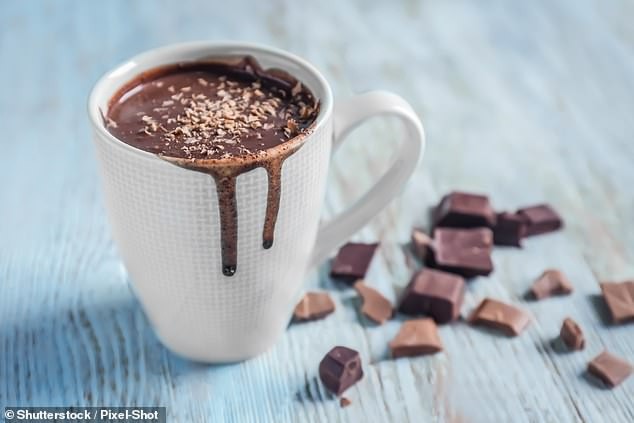
Baileys is loaded with sugar (roughly 10g per serving) and cream — and while the higher fat content can blunt the immediate hit of alcohol, it sends the calorie count marching north. Baileys Hot Chocolate - 1/10 Baileys may be a Christmas staple, but nutrition experts warn it is among the most calorie–dense festive drinks. The liqueur contains around 10g of sugar per serving and is made with cream, significantly increasing its calorie content. While the higher fat content can slow the absorption of alcohol, experts say it places a heavier metabolic burden on the body. When added to hot chocolate, the drink becomes particularly taxing. Sharan Verma, a nutritionist specialising in liver health, said the combination makes it 'the most calorie–dense option and the most demanding on the body and liver'. Homemade versions made with full–fat milk or double cream and added chocolate can exceed 500 calories per serving – comparable to a dessert. Current dietary guidelines advise men to consume no more than 2,500 calories per day, while women are advised to limit intake to 2,000. Regular consumption of high–sugar, high–fat drinks has been linked to weight gain and increased risks of raised blood sugar and high blood pressure, experts warn.
Eggnog – very energy-dense and easy to overconsume
Eggnog is another Christmas classic, but nutrition experts warn it is high in calories, saturated fat and sugar. Made from cream, milk, sugar and eggs – before alcohol is added – it is particularly energy–dense, increasing the risk of overconsumption. Specialist dietician Nichola Ludlam–Raine said eggnog is ‘very energy–dense and easy to overconsume, particularly when served in large, mug–sized portions’. Some recipes contain up to 43g of sugar per serving – around 20g more than a Belgian chocolate Yule Log sold by Tesco. Regularly consuming high–sugar drinks can contribute to weight gain and tooth decay, experts warn. NHS guidance recommends adults limit their intake of free sugars – those added to foods and drinks – to no more than 30g per day. While some sugar in eggnog comes naturally from milk, a significant proportion is added sugar.

Mulled wine – among the highest-calorie festive drinks
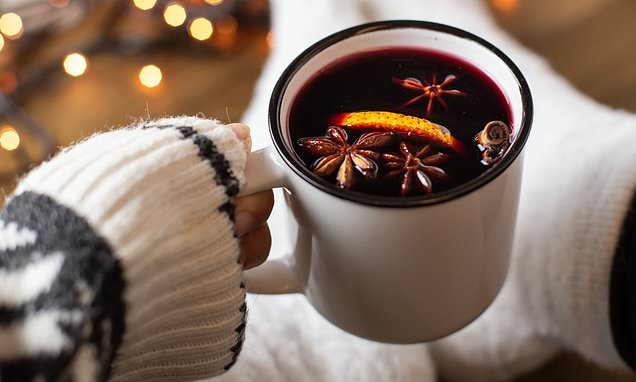
Few drinks are as synonymous with Christmas as mulled – however nutrition experts warn it is among the highest-calorie drinks. The drink is typically made by heating red wine with sugar, citrus and spices. While red wine contains polyphenols – compounds linked to potential heart and gut health benefits – experts say these are often outweighed by the amount of sugar added during preparation. Sharan Verma, a nutritionist specialising in liver health, said the added sugars, on top of those naturally present in wine, can significantly increase both calorie and sugar intake. Mulled wine is also frequently served in larger portions, further driving up its calorie content, she added. Alexa Mullane, a functional nutritional therapist, said those who choose to drink mulled wine could reduce the nutritional impact by making it at home, limiting added sugar and increasing spices such as cinnamon, which has been linked to blood sugar regulation.

Hot toddy – not the worst option, but still a factor
A hot toddy, made with whisky, water, honey and lemon, is a seasonal tipple favourite — and it's not the worst option. It's lower in calories than mulled wine or eggnog and the warm drink soothes the throat, while fresh lemon juice can provide vitamin C giving it immune-boosting properties. But its health benefits depend on where you source the ingredients, experts say. 'The added sugars decrease any health benefits while increasing overall calorie intake alongside alcohol,' Ms Verma says. There's around 64kcal per tablespoon of honey. If ordering from a bar or Christmas market, any benefits may reduce further because it's often heavily sweetened and served with garnishes like cinnamon sticks and star anise.
Bloody Mary – 5/10
It's another Christmas staple, but a Bloody Mary is relatively low–calorie and isn't as sugary as most festive options. The traditional recipe – vodka, Worcestershire sauce, Tabasco and tomato juice – doesn't require any syrups or creamy additions. It's another Christmas staple, but a Bloody Mary is relatively low–calorie and isn't as sugary as most festive options But while lower in sugar, when made at a bar, it can be high in salt, Ms Verma says, contributing to bloating and fluid retention. If making yourself, opt for lower salt versions of condiments. Eating too much salt can also raise blood pressure by increasing the amount of water the body retains, putting extra pressure on the blood vessel walls. This can, over time, increase the risk of heart disease and stroke. Health chiefs advise adults stick to less than 6g of salt per day. Kids should eat even less.
Bucks Fizz – 6/10
Lots of us kick off Christmas Day with a mimosa or bucks fizz – typically made by mixing champagne, prosecco or cava with chilled orange juice. 'But drinks like Bucks Fizz may seem healthier because they contain orange juice, but that doesn't make them a 'health drink',' Ms Ludlam–Raine says. 'They can still be relatively high in sugar and alcohol, especially when poured generously.' Instead, a simple version with prosecco or champagne and freshly squeezed fruit juice is the lightest, and lowest calorie, option to indulge in this Christmas.
Wine – a classic that can protect against illness, but sugar varies
A perfectly timed glass of wine can work wonders for the soul. And according to a growing number of experts, including healthy eating guru and ZOE founder, Tim Spector, the tipple could even help protect it from severe illness The prime 'magic' ingredient in wine is a chemical called resveratrol, and by far the highest doses are found in red wine. This is because resveratrol is located in the skin of grapes which, unlike with the production of white wine, is left in contact with the mixture in bottles of red. Research at the highly respected Mayo Clinic in Minnesota suggests that resveratrol may help prevent damage to blood vessels, reduce LDL cholesterol (the 'bad' cholesterol) and prevent blood clots. But not all wines are equally good for us. And according to a growing number of experts, including healthy eating guru and ZOE founder, Tim Spector, the tipple could even help protect it from severe illness Red wine is slightly lower in sugar, so may be a better option at Christmas if you're counting the calories or have diabetes, experts say. Per glass an average glass of red wine can have 1.2g sugar, while white wine boasts around 1.4g. Sweet varieties, however, can be very high, with upwards of 20g per serving. As it contains natural sugars from grapes, 'calories can add up quickly with generous pours,' Ms Verma adds. Anything above 125ml is considered a generous glass of wine.
Champagne – lower in sugar and calories, but easy to overindulge
Champagne, especially brut styles, are lower in sugar compared to many festive drinks and lighter in calories (however, its easy to drink quickly and overconsume). 'Brut' or 'extra brut' varieties contain up to 12g of sugar per litre, compared to sec which boasts up to 32g. Champagne, especially brut styles, are lower in sugar compared to many festive drinks and lighter in calories (however, its easy to drink quickly and overconsume) It's also often served in smaller glasses, naturally helping with moderation, experts say. 'You might as well have a glass of champagne,' Dr Federica Amati, head nutritionist at ZOE, adds. 'This is too expensive to overindulge for most people, not fatty and there's no added sugar plus lower alcohol percentage.' Dentists, however, have frequently urged people to take into account their Prosecco consumption over fears of dental decay. Dr Sahil Patel, founder of Marylebone Smile Clinic said: 'Amongst dentists, it has been reported that dental decay affecting the front incisors spikes during the festive season. 'TProsecco poses a unique problem in that it is a relatively sweet tasting, ubiquitous, affordable, high sugar, acidic and carbonated drink. 'The problem is the constant sugar exposure in the mouth creates a situation where decay can affect the front teeth, possibly requiring fillings and/or cosmetic work later on in the new year. 'TProsecco has a dangerous potency to cause decay, hence the term prosecco teeth.'
Clear spirits – the best Christmas party option for low sugar and calories
Clear spirits such as gin, vodka and tequila are the best Christmas party options, experts say. This is because when mixed they contain no added sugar or fat, making them the least calorific option. The main impact – on the liver – comes from the alcohol rather than added ingredients. 'A single 25ml measure of a clear spirit mixed with soda water (or slim line tonic for example) contains little to no added sugar and relatively few calories compared to most festive drinks,' Ms Ludlam–Raine adds. 'The main health consideration remains the alcohol itself, and any benefits are quickly lost if multiple servings are consumed.'