


Female-Named Storms Are Far More Deadly Than Male-Named Ones


Storms named after women are far more deadly than those with men’s names, boffins have claimed. Researchers say that is because folk feel less threatened by impending doom if it carries a female moniker and take fewer precautions. “They looked at hurricanes that hit the US between 1950 and 2012,” she said. “They found that on average storms with female names had caused more deaths than those with male names. Their theory was that people might unconsciously perceive female named storms as less threatening and therefore prepare less.” Andrada said the study was ‘highly contested’ as only women's names were used for storms which took place before 1979 in the US. She said: “Critics say the results were influenced by that.” “Also hurricanes have become much less deadly over time thanks to better forecasts, early warnings and stronger infrastructure. So this remains very contested.”

In This Article:
The Study Behind the Claim
For the study researchers analysed more than six decades of death rates from US hurricanes. Data showed hurricanes with more feminine names were more deadly. Lead author Kiju Jung, a former doctoral student in marketing in the University of Illinois’s College of Business now living in Australia, said: “The problem is that a hurricane's name has nothing to do with its severity. Names are assigned arbitrarily based on a predetermined list of alternating male and female names.” The research, published in the Proceedings of the National Academy of Sciences, examined hurricane fatalities for all storms that made landfall in the US from 1950 to 2012 - excluding Hurricanes Katrina in 2005 and Audrey in 1957 because they were much deadlier than the typical storm. The authors found for highly damaging storms the more feminine the storm's name the more people it killed. Their analysis suggested changing a hurricane's name from masculine ‘Charley’ to feminine ‘Eloise’ could nearly triple its death toll. Co-author Sharon Shavitt said: “In judging the intensity of a storm people appear to be applying their beliefs about how men and women behave. This makes a female-named hurricane, especially one with a very feminine name such as Belle or Cindy, seem gentler and less violent.”
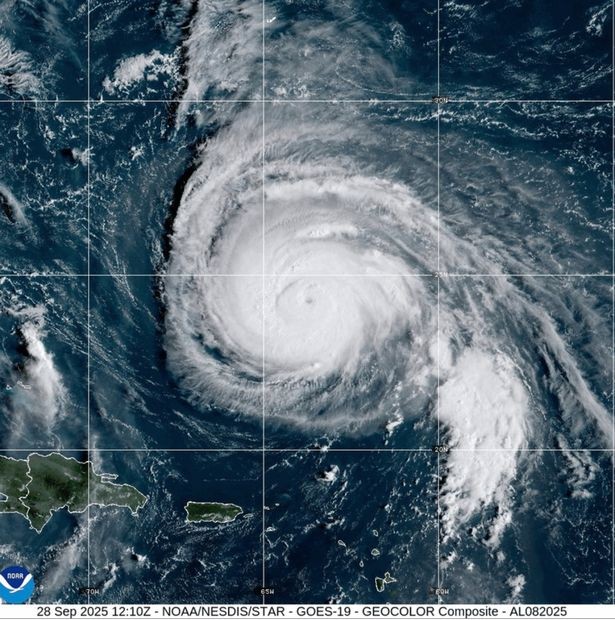
Critics and Contested Findings
However, the study's conclusions have sparked debate. Andrada said the study was ‘highly contested’ as only women's names were used for storms which took place before 1979 in the US. She said: “Critics say the results were influenced by that.” “Also hurricanes have become much less deadly over time thanks to better forecasts, early warnings and stronger infrastructure. So this remains very contested.” Website Full Fact has claimed the study is flawed because it included storms from the period when they were all given female names and death tolls were higher. The most deadly in the data - Sandy - was deemed to have a feminine name when it could relate to a man or woman.
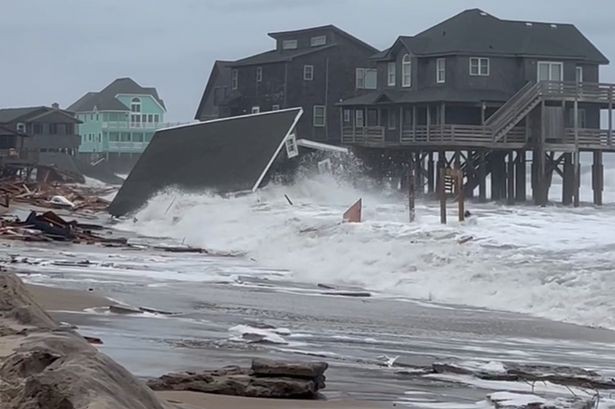
UK Policy, Notable Storms and The Debate
In the UK the Met Office has been naming storms since 2015. It says the naming of storms using a single authoritative system provides a consistent message and aids the communication of approaching severe weather. When a storm is deemed significant enough to be named the Met Office takes the moniker from an alphabetical list. Among the most serious storms in recent years was Storm Ciara in 2020 which hit the UK with gusts of up to 156 km/h and torrential rain causing electricity outages, flooding and travel chaos with at least 20,000 homes left without power. It was followed 10 months later by Storm Bella. Storm Arwen in 2021 left three people dead. Website Full Fact has claimed the study is flawed because it included storms from the period when they were all given female names and death tolls were higher. The most deadly in the data - Sandy - was deemed to have a feminine name when it could relate to a man or woman. For the latest breaking news and stories from across the globe from the Daily Star, sign up for our newsletters.