

FDA Regulator Demands Stricter Flu Shot Rules After Memo Links Covid Vaccines to Ten Children’s Deaths


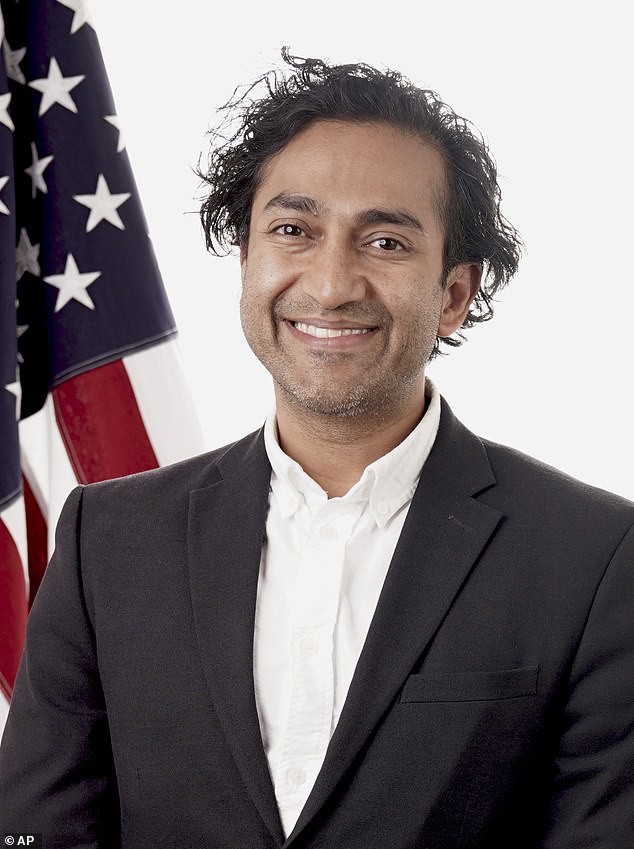
An FDA regulator has called for tighter guidelines for annual flu shots and other vaccines after an internal memo linked COVID-19 vaccines to the deaths of at least ten children. Dr Vinay Prasad, the director of the FDA's Center for Biologics Evaluation and Research, conducted an initial review of 96 deaths reported to VAERS from 2021 to 2024, The New York Times reported. The findings have not been published in a peer‑reviewed medical journal. Prasad concluded that at least ten child deaths reported in the VAERS system could be directly attributed to the COVID‑19 vaccines. No information about the children—such as their ages or any possible underlying health problems they had—was provided in the memo. Since its inception in 1990, the VAERS database has compiled two million reports from Americans who say they had an adverse health reaction after vaccination. These reports are unverified and are used to detect symptom patterns with vaccines; VAERS is not designed to definitively determine whether vaccines cause adverse events.
In This Article:
Memo Claims Ten Child Deaths Are Linked to COVID-19 Vaccines, Citing Myocarditis as Cause
'This is a profound revelation,' Dr Prasad wrote. 'For the first time, the US FDA will acknowledge that COVID-19 vaccines have killed American children.' Based on this, Prasad wrote that he is recommending stricter standards for allowing vaccines for pregnant women, Axios reported. The memo found that the children's deaths were caused by myocarditis, or swelling of the heart muscle that can cause blood clots. This can lead to a heart attack if it isn’t treated in time. The memo also said staff members should resign if they disagree with the direction he is taking the FDA's vaccine division. The memo that claimed 10 children have died from COVID-19 vaccines came from Dr Vinay Prasad, the director of the FDA's Center for Biologics Evaluation and Research.

Scientific Context: Myocarditis Risk Is Higher After SARS‑CoV‑2 Infection Than Vaccination
mRNA COVID-19 vaccines have a small but increased risk of myocarditis and pericarditis, especially in adolescent and young adult males after the second dose. However, multiple studies have shown that the risk for myocarditis is far higher for those who contract SARS‑CoV‑2, the virus that causes COVID‑19, than for those who get vaccinated. A 2022 meta‑analysis in Frontiers in Cardiovascular Medicine reported that the relative risk for myocarditis was more than seven times higher in the infection group than in the vaccination group. Another study published in January 2024 found that the risk was 20 times higher for those infected with COVID‑19 than those who were vaccinated.
ACIP Overhaul Sparks Political Battle Over Vaccine Policy as Kennedy Reshapes Panel
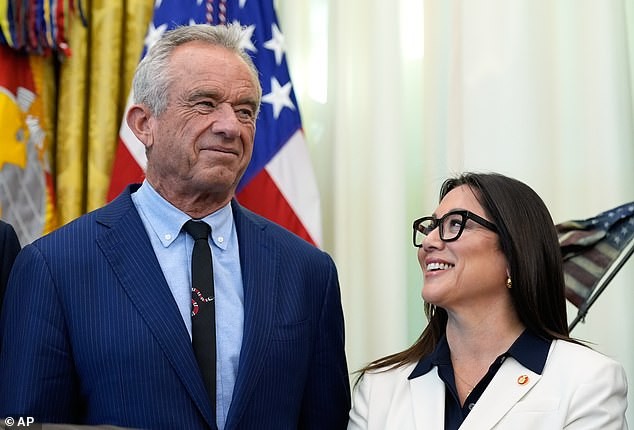
This latest FDA recommendation comes a week before key advisors to the Department of Health and Human Services (HHS) will meet to discuss potentially overhauling the childhood vaccine schedule. Health Secretary Robert F. Kennedy Jr has fired and replaced all the members of the crucial Advisory Committee for Immunization Practices (ACIP). The committee has now stopped recommending COVID vaccines for healthy people under 65. The CDC's vaccine advisory committee is also expected to discuss vaccine ingredients, the agency's vaccine risk monitoring protocols and whether the hepatitis B shot should be given to newborns shortly after birth. The group, called the Advisory Committee for Immunization Practices (ACIP), was completely overhauled in June, with Kennedy announcing that he fired all 17 sitting members. After new members were appointed, ACIP voted to stop recommending COVID vaccines to healthy Americans under 65 years old, instead urging them to rely on their own 'individual decision‑making.' HHS has said that federal insurance plans under the Affordable Care Act must still cover COVID vaccines, but clarified that the new guidance may make it more difficult for Americans with private insurance to get them covered. In September, Kennedy was brought before the Senate Finance Committee to testify about this. Senator Elizabeth Warren, a Democrat from Massachusetts, pointed out that Kennedy had said that he would 'take away anybody's vaccines' while he was being considered as a possible health secretary for the Trump administration. 'If you don’t recommend, then the consequence of that is, in many states, that you can’t walk into a pharmacy and get a [COVID‑19 vaccine],' she said. 'It means that insurance companies don’t have to cover the $200 or so cost.' Senator Bill Cassidy, a Republican from Louisiana who is also a doctor, told Kennedy in the same hearing that his policy shift would 'effectively' deny people access to vaccines. Kennedy responded by saying that most Americans would still be able to get COVID‑19 vaccines and boosters for free.