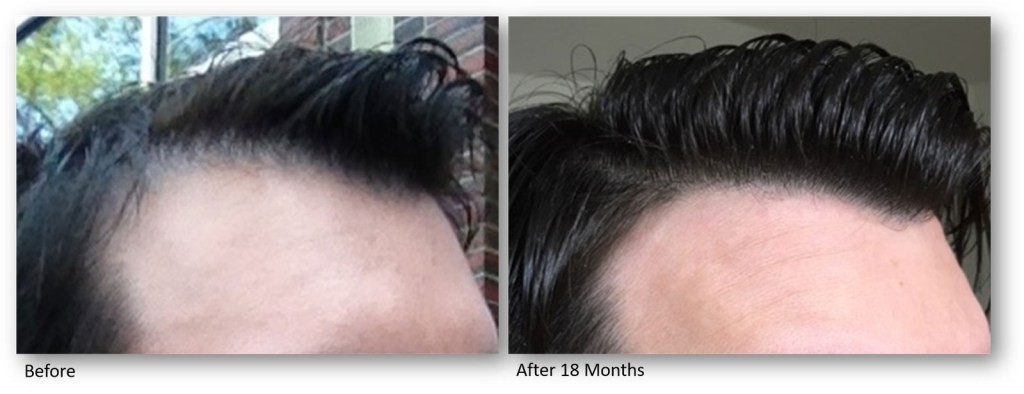


Fans swear these at-home gadgets can make your hair grow — but do they really work?


Trying to fix a thinning mane? It’s a hairy situation. More than 80% of men and nearly half of women in the US will face some form of hair loss in their lifetime, and thousands of companies are hawking pricey products promising to restore those luscious locks. But whether they really work isn’t always cut and dry. When it comes to one of the newer at-home hair-restoration treatments on the market, experts say the answer is more complicated. “In my experience, yes, red light therapy can stimulate hair growth and slow hair loss in some patients,” Dr. Ross Kopelman, a hair transplant surgeon and restoration specialist, told The Post. “That said, I do not put it at the top of my treatment list.” Here’s everything you need to know about red light therapy for hair loss — including how to find a device that actually shines. “Red LED is scientifically proven technology that has been demonstrated to be effective in proper studies,” said Dr. Jessica Weiser, a board-certified dermatologist who works with KeraFactor, a company specializing in hair loss and revitalization treatments. In one study, dermatologists found that low-level laser red light therapy was just as effective at regrowing hair as minoxidil, a medication commonly used to treat pattern hair loss. In another, women with androgenetic alopecia saw a 37% increase in hair count after using the treatment compared to a placebo group. Still, Weiser said that the hair-growth market is packed with fads that don’t live up to the hype, including using rosemary oil and rice water on the scalp. She also recommends against taking supplements with sprawling ingredient lists and steering clear of extremely high-dose biotin. While the vitamin can help protect hair from breakage, she said it won’t actually grow new strands. “Red LED works through a process known as photobiomodulation,” Weiser said. The red light stimulates the mitochondria in the cells of the hair follicles to produce more energy molecules, which can reactivate dormant follicles and extend the growth phase of the hair cycle, she explained. “This results in more effective and more rapid growth of the hair within each hair follicle,” Weiser said. “Additionally, LED reduces inflammation and stimulates circulation at the scalp and hair follicle level to further support a healthier scalp and improved hair growth.”
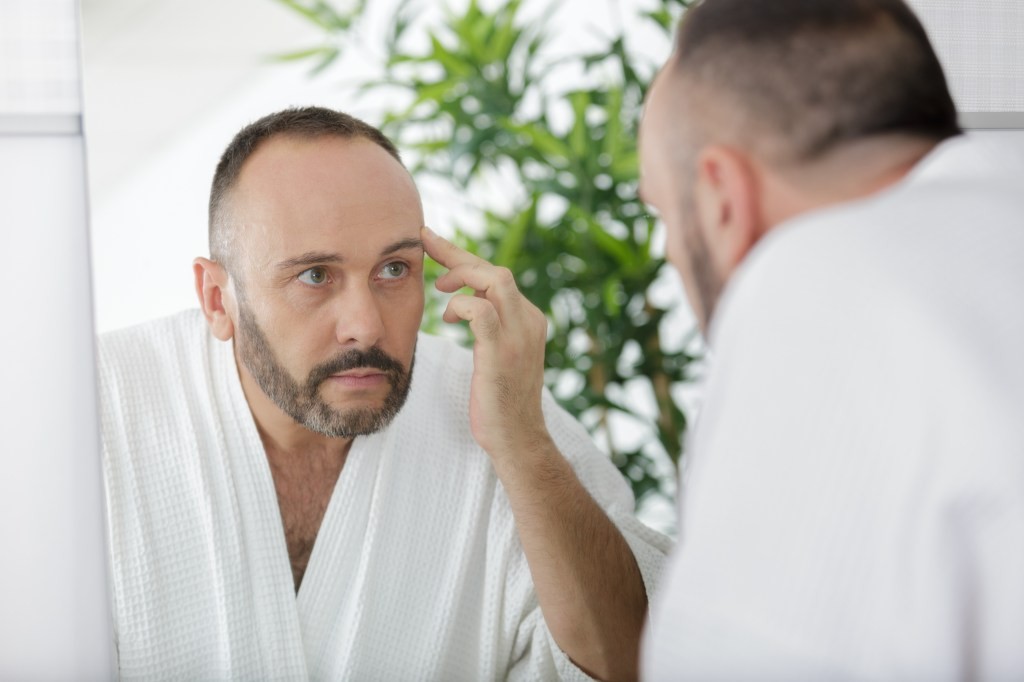
Evidence is mixed: some studies show hair regrowth comparable to minoxidil, but it's not a universal cure
But getting results requires a steady, long-term commitment. “The reality is, you have to use it consistently, usually three times a week for 15 to 20 minutes, for months to see any difference,” Kopelman said. “In terms of side effects, it is generally very safe,” Kopelman said. “You might experience mild scalp warmth or tingling, but that is about it.” The bigger concerns, he noted, are cost and the time required to maintain results. “Good devices are expensive, and if you stop using them, any benefits you gained can be lost,” Kopelman explained. “It is also not a standalone cure,” he added. “For most people, it works best as part of a comprehensive plan that might include topical or oral medications.” “The two most important things are wavelength and power density,” Kopelman said. “You want a device that uses clinically studied wavelengths, usually around 650 nanometers, and delivers enough energy to the scalp.” Bulb count is another key factor. “Many of the caps, helmets, and hats have minimal scalp coverage with fewer than 100 to 150 bulbs or lasers,” Weiser said. “Look for devices with high bulb count, such as Kerafactor’s KeraFlex Duo that contains 312 medical grade laser diodes and dual wavelength technology,” she recommended. “[That’s] the highest bulb count on the market, delivering the most robust treatment with a very short treatment time.” Kopelman emphasized the importance of coverage. “A cap that treats your entire scalp is better than a small handheld unit that requires constant repositioning,” he said. Price should also be a red flag when it’s too good to be true. “I would avoid cheap LED caps in general, partly because they will have minimal if any efficacy and partly because they probably do not have consistent wavelengths,” Weiser said. “I always tell patients to go with an FDA cleared device,” Kopelman said. That clearance doesn’t necessarily guarantee results, he explained, but it does ensure the device meets certain safety and manufacturing standards. “The caps you see on Amazon or even on ultra cheap sites like Shein are often unregulated, may not deliver the right wavelength or power, and could be a complete waste of money,” Kopelman said. “To further increase the efficacy of red LED hair and scalp treatment, there are certain scalp serums that contain growth factors and other active ingredients that can further enhance results,” Weiser said. Look for products that include numerous follicle-stimulating growth factors and scalp-supporting peptides, along with active ingredients like PDRN, which promotes cellular turnover and regeneration, and nanofluorosomes, which provide both anti-inflammatory and anti-androgenic benefits. What do you think? Post a comment. At the end of the day, Kopelman views red light therapy as a helpful tool rather than a must-have treatment. “It can be a good option if you cannot take hair loss medications, if you are pregnant or breastfeeding, or if you want to add something noninvasive to your routine,” he said. “But overall, I do not usually recommend it as my first-line approach because the price can be high, protocols vary widely and compliance is everything — and that is where most patients fall short.” Share your stance. Please adhere to our
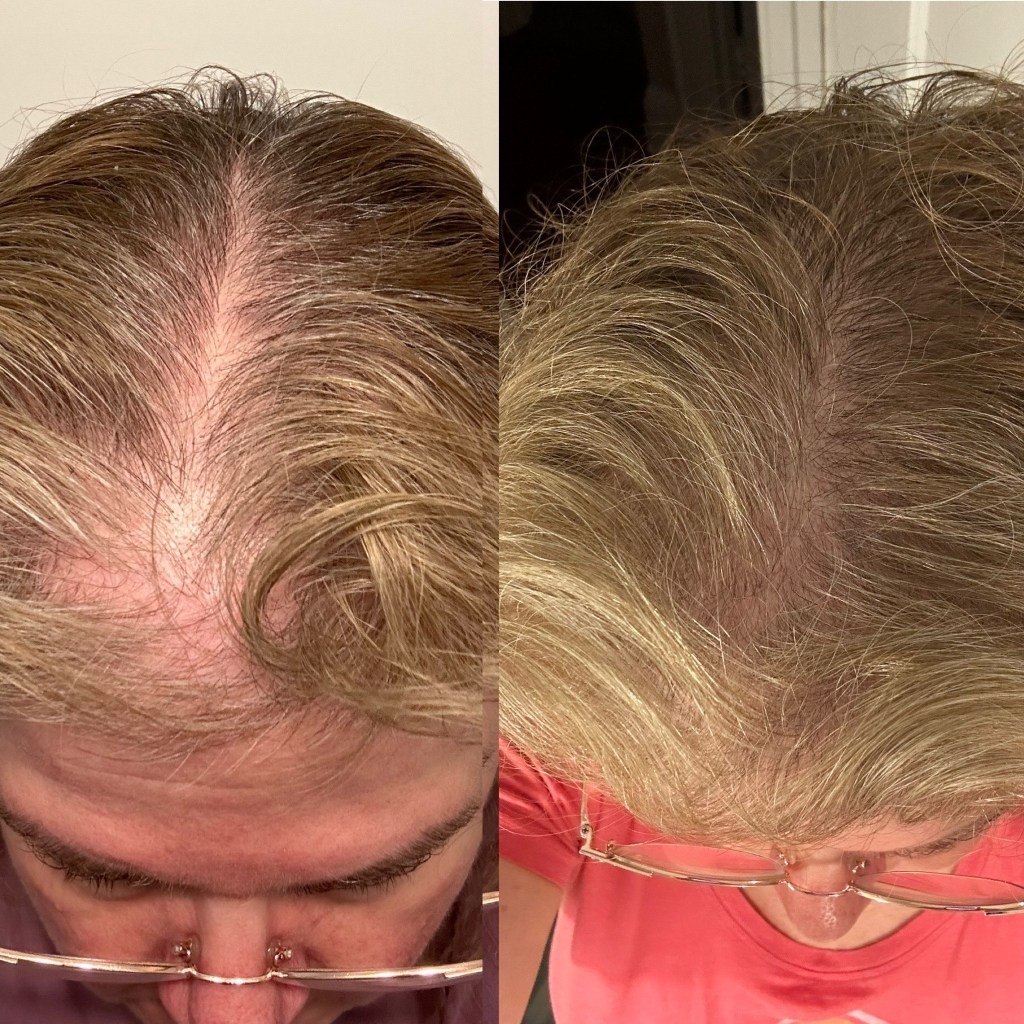
Key device factors and buying tips: how to choose a red-light device that actually helps
Choosing a red light device isn’t just about price. The best options deliver clinically studied wavelengths and enough energy to impact the scalp, with sufficient coverage to avoid constant repositioning. The two most important things are wavelength and power density, Kopelman said: “You want a device that uses clinically studied wavelengths, usually around 650 nanometers, and delivers enough energy to the scalp.” Bulb count matters, too. Weiser notes that many caps and helmets have limited coverage with fewer than 100 to 150 bulbs or lasers, which can leave parts of the scalp untreated. Look for devices with a high bulb count, such as Kerafactor’s KeraFlex Duo, which contains 312 medical-grade laser diodes and dual wavelength technology, “the highest bulb count on the market, delivering the most robust treatment with a very short treatment time.” Coverage is also key: “A cap that treats your entire scalp is better than a small handheld unit that requires constant repositioning,” Kopelman said. Price should be viewed with caution. “I would avoid cheap LED caps in general, partly because they will have minimal if any efficacy and partly because they probably do not have consistent wavelengths,” Weiser said. Even when you pick a device, it’s not a guarantee of results. Kopelman says, “I always tell patients to go with an FDA-cleared device.” That clearance doesn’t necessarily guarantee results, he explained, but it does ensure the device meets certain safety and manufacturing standards. There are additional products that can augment red LED therapy. “To further increase the efficacy of red LED hair and scalp treatment, there are certain scalp serums that contain growth factors and other active ingredients that can further enhance results,” Weiser said. Look for formulations that include growth factors and scalp-supporting peptides, along with active ingredients like PDRN (which promotes cellular turnover and regeneration) and nanofluorosomes (which provide anti-inflammatory and anti-androgenic benefits). In short: red light therapy can be a useful tool when used correctly, but it’s not a miracle cure and works best as part of a comprehensive plan with realistic expectations. What do you think? Post a comment.