


Everything Will Cost More in 2026 Groceries Power Bills and Rent


Australians are being warned to brace for another year of hip-pocket pain, with fresh data showing inflation is cooling far too slowly and essential costs set to surge again in 2026. Despite a softer-than-expected monthly inflation reading in November, the Reserve Bank remains under pressure as prices for housing, energy and everyday essentials continue to climb. Economists say the outlook for rate cuts this year is fading fast. It comes as ABS data released on Monday revealed Australian households are ramping up spending despite diminishing hopes of rate cuts this year, setting a challenge for the Reserve Bank to bring inflation under control. Meanwhile, the latest Westpac-Melbourne Institute Consumer Sentiment Index reveals growing pessimism, as Australians become increasingly concerned about what 2026 may hold for family finances and the broader economy, driven largely by a sharp shift in interest rate expectations.
In This Article:
Power Bills to Surge
Electricity prices surged 6.8 per cent in November, while petrol climbed 2.5 per cent over the year. From July this year, new pricing 'safety nets' will take effect under the Default Market Offer (DMO), which caps what retailers can charge for electricity plans in NSW, South East Queensland, South Australia and the ACT. However, Treasurer Jim Chalmers confirmed the federal government's $300 energy rebate, plus the extra $150 offered from July, has ended, removing one of the few buffers against rising bills. Compare the Market's Sarah Orr said most households won't notice until the bills arrive but the decisions shaping your budget for the year are already being made behind closed doors. Draft decisions on energy price hikes will be released in March, giving households an early glimpse of what's ahead this year 'These benchmarks exist to protect consumers, but that doesn't mean we should rely on them,' she said. 'A recent ACCC report found Aussies were throwing money down the drain staying loyal to their electricity provider, paying on average $221 more than those on new plans.'
Rents and Home Prices to Hit New Records
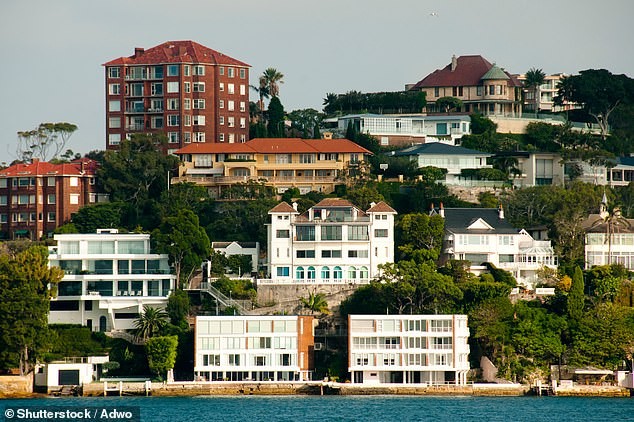
Housing remains the biggest financial burden for many households. Shortages, constrained construction capacity and strong demand mean rents and home prices will keep rising. Rental costs are climbing at a pace not seen in decades. CoreLogic reports the national median rent hit $681 a week by the end of 2025 - up $204 a week in just five years. CoreLogic's research director Tim Lawless said households now spend a record 33.4 percent of pre-tax income on rent. 'The ongoing growth in rental costs is bad news for renters,' he said. 'The reacceleration in rental values is also bad news for inflation and the cash rate outlook as rental costs hold a significant weight in the CPI calculation.' Australian households now spend a record 33.4 percent of pre-tax income on rent Domain expects rents across the capitals to rise another 3 percent nationally, and up to 4 percent in Brisbane, Adelaide and Perth. Meanwhile, it forecasts Australia's housing market will break new price records across every capital city by the end of 2026, with Sydney expected to approach a $2million median house price. Just one rate hike in February could add $94 to repayments on a $600,000 loan - ballooning out to $1,128 a year.
Grocery Costs to Keep Climbing
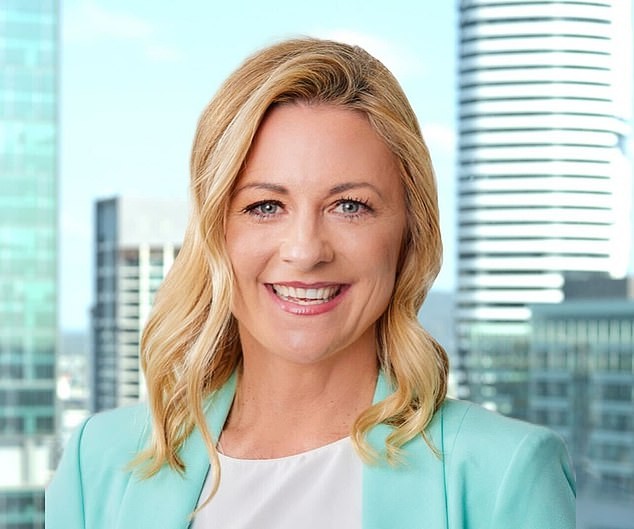
The latest ABS figures show food prices rose 3.3 percent in the year to November, with cocoa shortages pushing coffee, tea and cocoa more than 15 percent higher, turning the daily caffeine hit into one of the economy's strongest inflation drivers. Trade tensions, tariffs and geopolitical volatility will keep import costs elevated and disrupt supply chains. Beef prices jumped 11.4 percent, lamb 12.3 percent, and confectionery 7.1 percent. Fruit and vegetables climbed 2.7 percent. Canstar's Sally Tindall said the cost of living has started to reaccelerate with the average family of four spending $260 each week on groceries. 'Unfortunately, this is unlikely to turn around any time soon, impacting everyone across the country but those on the lowest incomes the most,' she said. Canstar's Sally Tindall (pictured) said the cost of living has started to reaccelerate with the average family of four now spending $260 a week on groceries
Insurance Premiums on Rise
The Federal Government is currently reviewing proposed price increases from health insurers which are tipped to rise 4 percent on April 1, adding $105 to $132 to an average hospital policy of $2,641. Nearly half of Australians hold private health cover, and experts warn this could be the biggest increase in years. Home insurance is forecast to jump another 9 percent, after a 10 percent rise in 2025, while compulsory car insurance could climb 10 percent.
Council Rates to See Big Spikes Ahead
Some councils are seeking special rate hikes after increases of 12 to 87 percent in 2025. North Sydney Council is preparing a revised bid to lift ordinary rates by 52 percent over three years, after last year's failed attempt at 96 percent over two years to remain financially viable.
Other Essentials like Transport, Medical and Education
Petrol prices have stayed at or above $1.70 per litre for 172 straight weeks, a record stretch since September 2022. Medicare Safety Net thresholds will rise to $2,699, increasing upfront medical costs for many families. PBS co-payment drops to $25 per script, a rare bright spot. Medications listed on the PBS will be cheaper this year, one bright spot in a sea of price hikes School fees are rising significantly for 2026, with many private and Catholic schools in Australia announcing increases, often around 7 percent or more, which more than double the rate of inflation. The biggest hike is Melbourne Catholic boys school St Kevin's College where Year 12 fees will rise 17 percent to $33,790. Streaming services in 2026 will hike prices and crack down on password sharing; cheaper plans come with ads. Price rises for services like insurance, healthcare and education remains high and could rise because of cost pressures for providers such as increased wages for workers.
What It Means for Interest Rates
The Reserve Bank meets on February 3 to decide whether interest rates will rise or remain on hold, with Governor Michele Bullock weighing whether inflation is cooling fast enough to avoid further tightening. For households, the message is clear according to AMP deputy chief economist Diana Mousina. 'With inflation cooling slowly and rate cuts unlikely, households face another tough year. Staying proactive, shopping around for energy deals and budgeting for higher rents will be key,' she said. The consumer price index slipped to 3.4 percent in November, down from 3.8 percent in October, still outside the RBA's 2 to 3 percent target band. More concerning for the central bank, the trimmed mean measure of underlying inflation barely budged, easing from 3.3 percent to 3.2 percent. Westpac economist Neha Sharma said Australian households are ramping up spending despite diminishing hopes of rate cuts this year, setting a challenge for the Reserve Bank to bring inflation under control. She said spending through the year to November 2025 surged to 6.3 percent – the highest annual pace since 2023. 'The details showed lifts in all categories except alcohol and tobacco, which fell 1.8 percent,' she said. 'The 2026 outlook is less certain. Real disposable incomes have been recovering but are likely to see slower growth this year as job gains moderate and policy provides less support.'