

Eurovision Clamps Down After Israel Controversy Sparks Backlash


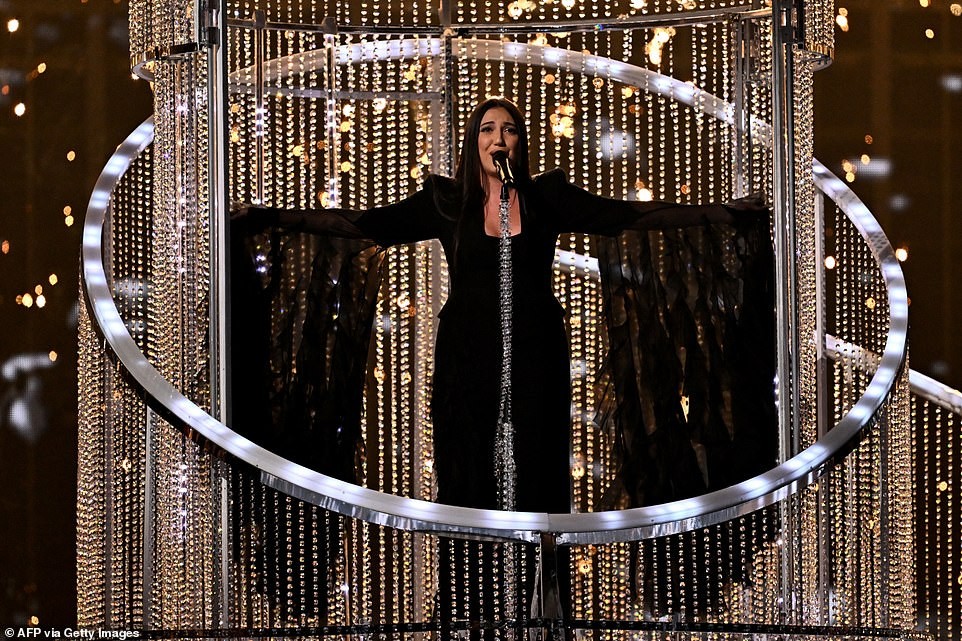
The Eurovision Song Contest is changing its voting rules after Israel's results at this year's competition sparked controversy. Some participating countries raised concerns after Israel won the public vote by a landslide and finished second overall in May following a dramatic showdown with Austria. The national broadcasters of Spain and Belgium had accused Eurovision organizers of permitting vote rigging when televoters from both countries awarded Israel 12 points, despite the juries giving it zero points.
In This Article:
- New Eurovision Voting Rules Ahead of Vienna 2026 Ten Public Votes Per Viewer and Juries Return in the Semi-Finals
- Spain and Belgium Accuse Vote Rigging Over Televotes
- Israel's Victory Amid Controversy and Alleged Influence
- Eurovision Chief Martin Green Speaks of Neutrality and Enforcement
- Conflict Context and the Road to Vienna 2026
New Eurovision Voting Rules Ahead of Vienna 2026 Ten Public Votes Per Viewer and Juries Return in the Semi-Finals
Entrants receive points from a professional jury from each country, as well as from a public vote. Viewers at home could vote up to 20 times for a small cost charged per vote by text or phone call. But now, the European Broadcasting Union has said fans will only be allowed to cast 10 votes each ahead of the Eurovision contest in Vienna in 2026, and juries will be reintroduced to the semi-finals round. Organisers will also ban competitors and broadcasters from participating in promotional campaigns by third parties, including governments.

Spain and Belgium Accuse Vote Rigging Over Televotes
The national broadcasters of Spain and Belgium had accused Eurovision organisers of permitting vote rigging when televoters from both countries awarded Israel 12 points, despite the juries giving it zero points.
Israel's Victory Amid Controversy and Alleged Influence
It comes amid reports last year that an Israeli government agency paid for adverts and used social media to encourage people to vote for its entry.

Eurovision Chief Martin Green Speaks of Neutrality and Enforcement
Director of the Eurovision Song Contest Martin Green said in a statement: 'We've listened and we've acted. The neutrality and integrity of the Eurovision Song Contest is of paramount importance to the EBU, its members, and all our audiences. We are taking clear and decisive steps to ensure the contest remains a celebration of music and unity. The contest should remain a neutral space and must not be instrumentalized.' He added: 'Alongside the changes we are announcing today, we will also strengthen enforcement of our existing rules to prevent any misuse of the contest for example through song lyrics or staging. And we will work closely with members to ensure they fully understand and are also accountable for upholding the rules and values that define the song contest.'

Conflict Context and the Road to Vienna 2026
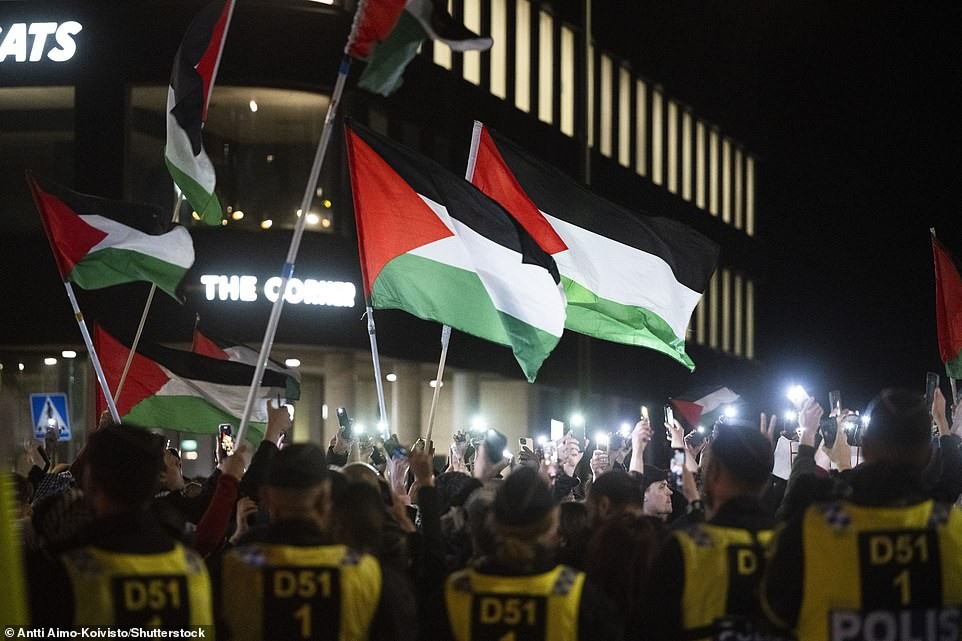
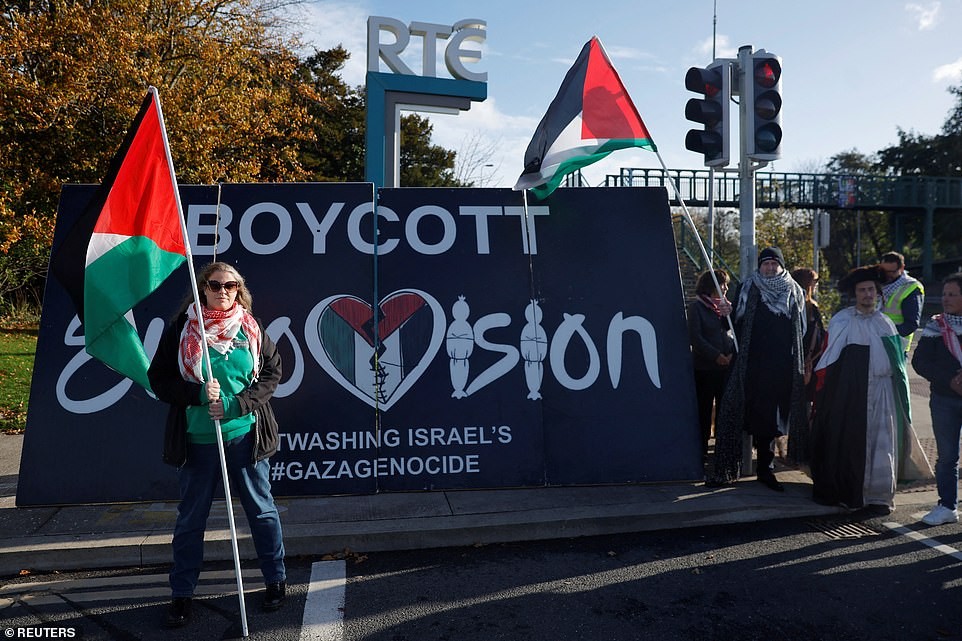
Changes to Eurovision's voting system come after the contest's organisers were due to vote this month on whether Israel can participate in the show next year, as calls have mounted for the country to be excluded over the Israel-Hamas war in Gaza. National broadcasters of the Netherlands, Slovenia, Iceland, Ireland and Spain have said they will boycott the 70th song contest in Vienna or consider not taking part if Israel does. But last month, the vote was called off following developments in the Middle East conflict which saw Israel and Hamas ink a ceasefire deal. Earlier this week, Austrian national broadcaster ORF, which will host next year's Eurovision Song Contest, said it wants Israel to take part despite several countries' boycott threats, and hopes it can host the biggest event in years despite these tensions. Hamas-led militants took 251 hostages during the October 7 attacks on southern Israel and killed another 1,200 people, according to Israeli tallies. Israel's retaliatory offensive has killed nearly 69,000 Palestinians, health officials in the enclave say.