


Eight Cans a Day Nearly Killed Me The Stroke That Forced My Body to Crash


Talk about a jolt. Energy drinks promise a quick boost, but doctors warn they can cause heart problems, anxiety, insomnia, headaches, and dental issues. New evidence suggests that no matter how young or healthy you are, pounding energy drinks can lead to serious health issues. A recent BMJ Case Reports study details a fit, healthy UK man in his 50s treated for extremely high blood pressure and a stroke, traced to his daily energy-drink habit. This is the jolting story of a habit that nearly destroyed him.

In This Article:
Case Study A Healthy Man in His 50s Develops Severe Hypertension and Stroke After an Eight-Can-A-Day Habit
In a BMJ Case Reports study published Tuesday, a fit and healthy UK man in his 50s was treated for extremely high blood pressure and a stroke. The culprit? His daily eight-can energy drink habit. After he reported numbness and weakness on his left side as well as unsteadiness, doctors determined the unidentified man had experienced an ischemic stroke. Blood vessels were blocked in the part of his brain involved with senses and movement. He also had difficulty walking, swallowing and talking, symptoms collectively known as ataxia. Doctors discovered his blood pressure was 254/150 mmHg. Healthy blood pressure is generally considered less than 120/80 mmHg. When his blood pressure remained high even after medication, he confessed he was crushing an average of eight energy drinks per day, totaling almost 1,300 milligrams (mg) of caffeine. That’s over three times the recommended maximum daily intake of 400 mg. And the patient’s still feeling the effects, even years after quitting. “I obviously wasn’t aware of the dangers drinking energy drinks were causing to myself,” he said in a statement provided by the researchers. “[I] have been left with numbness [in my] left-hand side hand and fingers, foot and toes even after 8 years.”
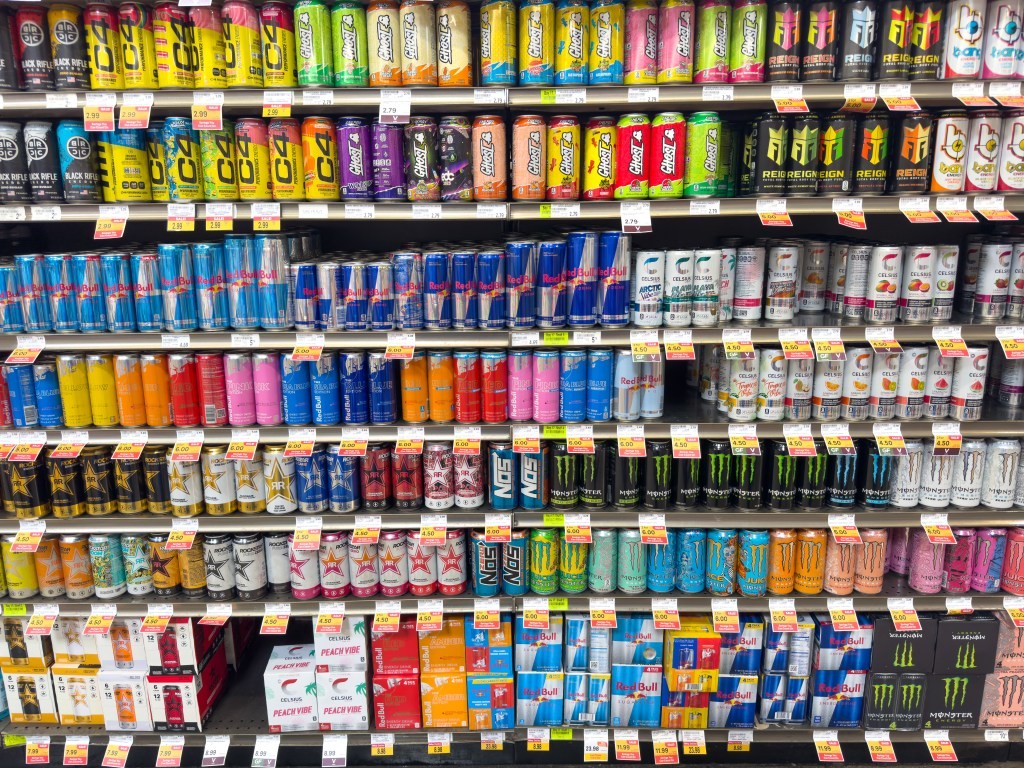
Caffeine, High Sugar and Stimulants How Energy Drinks Raise Heart Risk
Energy drinks can contain anywhere from 70 mg to a whopping 300 mg of caffeine. For comparison, a standard 8-ounce cup of coffee has roughly 100 mg. It’s not just the caffeine that’s causing problems. The study authors say that the combination of caffeine, high sugar and stimulants like guarana significantly raises heart rate and blood pressure. “The hypothesis is that the interaction of these other ingredients, including taurine, guarana and ginseng, potentiates the effects of caffeine heightening stroke risk through numerous mechanisms,” the authors explained. “The average [energy drink] is said to contain around 80 mg of caffeine… but in some cases can contain up to 500 mg in a single serving.” They are calling for tighter regulation of the sales and advertising of these drinks, particularly given how popular they are among younger adults.
Regulation Push Global Sales and Public Health Messages
They are calling for tighter regulation of the sales and advertising of these drinks, particularly given how popular they are among younger adults. What do you think? Post a comment. Global sales have consistently increased over the years, nearly reaching $80 billion in 2024. They are expected to hit $125 billion by 2030. “Given the high morbidity and mortality associated with stroke and [cardiovascular disease] and the well-documented adverse health effects of high-sugar drinks, we propose that increased regulation… and advertising campaigns could be beneficial to the future cerebrovascular and cardiovascular health of our society,” said the authors.
A Cautionary Tale For a Healthier Tomorrow
Even as energy-drink brands ride a global boom, doctors warn that the danger is real for people of all ages. The patient in the BMJ Case Reports study is still feeling the consequences years after quitting, a sobering reminder of how a simple daily habit can alter a life forever. This story isn’t just about caffeine; it’s about how sugar, taurine, guarana, and other ingredients can work with caffeine to push the body toward stroke risk. It’s a call to regulators, advertisers and consumers to rethink how these drinks are marketed and consumed.