

Eating Food Laced with Preservatives May Raise Cancer Risk, Large French Study Finds


An alarming new study has linked several preservatives commonly found in cured meats, toothpaste, salad dressings, ketchup and mustard with an increased risk of developing cancer. French scientists looked at data from over 100,000 participants, with an average age of 42 and nearly 80 percent were women. They calculated their intake of different preservatives using detailed 24-hour dietary records filled out over 7.5 years. Then they used health questionnaires and official medical and death records to track cancer cases from when the study began in 2009 up to the end of 2023. By the follow-up time, 4,000 had been diagnosed with the disease, with breast, prostate and colorectal the most common types. The team analyzed 17 preservatives - citric acid, lecithins, total sulphites, ascorbic acid, sodium nitrite, potassium sorbate, sodium erythorbate, sodium ascorbate, potassium metabisulfite, and potassium nitrate. Their analysis found there was no association with cancer incidence for total preservatives, and 11 of the individual ones. However, this wasn't the case for potassium sorbate, potassium metabisulfite, sodium nitrite, potassium nitrate, and acetic acid and sodium erythorbate which were associated with cancer incidence. In The BMJ, where they published their findings, they concluded: 'This study brings new insights for the future re-evaluation of the safety of these food additives by health agencies, considering the balance between benefit and risk for food preservation and cancer.'
Key Findings and Notable Associations
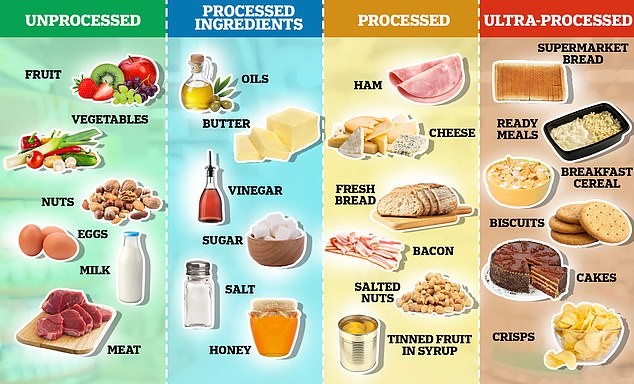
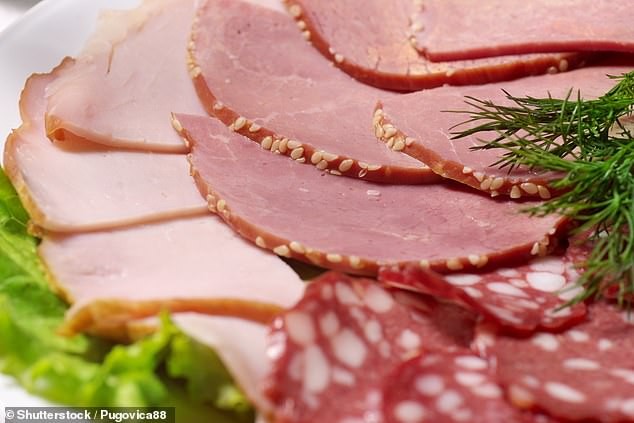
Around the world, those who had higher intakes of these preservatives were more likely to have a higher risk of cancers compared to non-consumers or low consumers. These preservatives were mostly non-antioxidants, which are used to keep food fresh for longer by preventing microbial growth or certain chemical changes. For example, potassium sorbate, which was associated with a 14% higher overall cancer risk, and 26% raised risk of breast cancer, is often found in dried meats, apple cider, baked goods, canned fruits and vegetables, cheeses, ice cream, pickles and ice creams. Meanwhile, total sulphites, found in certain processed meats, soft drinks and jams was linked to a 12% increased risk of overall cancer. Sodium nitrite was associated with a 32% increased risk of prostate cancer, while potassium nitrate was associated with a 13% increased risk of overall cancer, and 22% raised chance of breast cancer. And total acetates were associated with a 15% increased risk of overall cancer and a 25% raised risk of breast cancer. Specifically, acetic acid, often found in pickled foods and sauces, was linked to a 12% increased risk of overall cancer. Of antioxidant preservatives, only total erythorbates, and a specific type, sodium erythorbate, were found to be associated with a higher incidence of cancer. Food additives and preservatives are found in ultra-processed foods found in many homes. Because it was an observational study, it doesn't directly prove that eating more of foods which contain them increases cancer risk. However, they added that it was a large study over a long period and that existing experimental data suggests adverse cancer-related effects of several of the compounds. They have called on manufacturers to limit the use of unnecessary preservatives, and support advice for consumers to pick freshly made, minimally processed foods. In The BMJ, where they published their findings, they concluded: 'This study brings new insights for the future re-evaluation of the safety of these food additives by health agencies, considering the balance between benefit and risk for food preservation and cancer.'
Expert Reactions and What It Means for You
Experts reacting to the fresh findings similarly say it doesn't prove causation, but that the observations are 'interesting'. Professor William Gallagher, School of Biomolecular and Biomedical Science, University College Dublin, said: 'One cannot make causal links directly from this study. But it does make some interesting observations particularly in respect to an association between higher intake of non-antioxidant preservatives and higher rates of overall cancer, breast and prostate cancer. These higher rates of cancer are modest (e.g. 10-30% increased risk) but are significant when taken at a population-based level in terms of potential impact. From my perspective, the work stands out as it did not particularly focus on ultra-processed foods but took a broader view of dietary intake of food additives, using brand-specific information rather than a generalised assessment.' Rachel Richardson, Methods Support Unit Manager, The Cochrane Collaboration added: 'The associations found were generally modest and the margins of error mean that the true effect could be very small.' The study's authors emphasized that the observational nature means causation cannot be established, but they point to the large, long-term data and existing experimental data suggesting adverse cancer-related effects of several compounds. The researchers called on manufacturers to limit the use of unnecessary preservatives and encouraged consumers to opt for freshly made, minimally processed foods.