


Deadly Super Flu Forces Hospitals to Restrict Visiting Hours and Schools to Close Across the US


A deadly flu variant is forcing hospitals to reinstate visitor restrictions and schools to shutter as experts warn of severe illness and possible hospitalizations. The deadly 'super flu' is spreading, with cases of the dangerous H3N2 subclade K climbing in more than three dozen states and on track to overshadow last year’s particularly severe flu season. Public health officials are urging vigilance for warning signs; symptoms tend to appear abruptly and include fever, fatigue, chills, headache, cough, body aches, congestion, runny nose and coughing. This year's dominant flu strain is brand new to people’s immune systems, making them highly vulnerable and at an increased risk of severe, hospitalizing illness. In the United Kingdom, this year’s strain has already been dubbed the super flu, where it is pushing hospitals beyond capacity, closing schools and reviving Covid-era mask mandates. In the US, rates of flu and flu-related hospitalizations remain low overall, but they are rising quickly in certain states and counties. A spokesperson for Villa Duchesne Catholic School in Frontenac, Missouri, which has canceled classes, describes the seriousness of the outbreak in the community; however, the focus remains on protecting students and staff while monitoring the situation. Hospitals are responding with new rules. Detroit Medical Center has restricted visitor access to protect patients and staff from the spreading virus, with guidelines that limit guest numbers, disallowing visitors under 12 and restricting visits from those who are currently sick.

In This Article:
Hospitals Expand Visiting Restrictions as H3N2 Subclade K Spreads
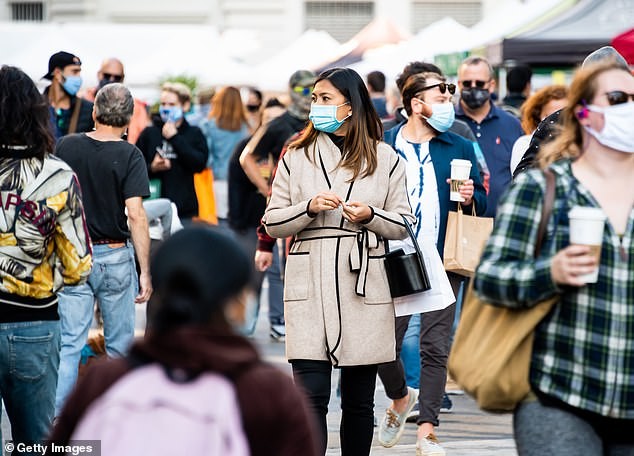
Detroit Medical Center has restricted visitor access to protect patients and staff from the spreading virus. New guidelines limit the total number of guests and prohibit anyone under 12 or any person who is sick. The change comes after masking requirements for hospital staff and visitors in New Jersey and New York hospitals were reinstated. Cases of flu in both states have been ticking steadily upward since the start of November, following the trends seen during last year’s brutal flu season. Hospitals are monitoring the situation closely. The Detroit Medical Center has not announced a return to masking but will limit patients to two visitors and not allow any visitor under 12. Visitors age 13 and over who have a fever, cough or rash are asked to choose another time to visit during a period of wellness. Major New Jersey hospital systems have reinstituted their own mask mandates. Hackensack Meridian Health announced Monday that anyone visiting an admitted patient will be required to wear a face mask. RWJBarnabas Health Medical Group, which has 14 hospitals throughout the Garden State, also implemented a mask rule as of last week. Recent data from the New York State Department of Health shows that flu is now officially ‘prevalent’ in the state, with over 32,769 confirmed cases and more than 1,743 hospitalizations this season. The department decreed that all unvaccinated personnel in regulated healthcare and residential settings must wear a surgical or procedure mask in any patient- or resident-care area.
Missouri and Iowa Schools Shut Down as Illness Surges
Following multiple students falling ill during Monday's Mass, Villa Duchesne Catholic School in Frontenac, Missouri, has shut down and canceled classes through Friday for emergency testing and investigation. In a similar move this week, Iowa’s Moulton-Udell school district canceled classes and sports after nearly 30 percent of students and staff fell ill. Officials labeled the two-day shutdown a necessary response to an ‘extremely high’ rate of sickness. Villa Duchesne Catholic School in Frontenac, Missouri, has canceled classes through Friday and closed its buildings after multiple students fell ill during Mass on Monday. A spokesperson for Villa Duchesne, which is closed through the end of the week, said Tuesday: ‘We are taking this situation very seriously, and we are committed to the safety of our students, faculty, and staff.’ 'No classes were held today to allow us to conduct additional testing for peace of mind.' 'All testing results have been normal. No hazardous or abnormal readings were observed on any piece of monitoring equipment throughout our main building.’ The announcement from Villa Duchesne came mere days after the one from the Moulton-Udell school district.

Public Health Officials Warn of Uncertain Strain and Rising Cases
This year’s dominant flu strain is brand new to people’s immune systems, making them highly vulnerable and at an increased risk of severe, hospitalizing illness. The flu virus's unpredictability and rapid mutation make it unclear whether H3N2 will remain the dominant strain or become more severe. The symptoms and severity appear similar to those of a regular seasonal flu, which can still be debilitating and disrupt children’s education and people’s work. Public health officials have advised people to note any new symptoms, including sudden extreme tiredness, body aches, nausea or vomiting, cough and fever. In the United States, rates of flu and flu-related hospitalizations remain low overall, but are rising quickly in certain states and counties. In St. Louis County, Missouri, new cases jumped 65 percent in a single week, from 29 confirmed in the last week of November to 48 in the week ending December 7. The total number of cases is currently 141. Major New Jersey hospital systems have reinstituted their own mask mandates. Hackensack Meridian Health announced Monday that anyone visiting an admitted patient will be required to wear a face mask. RWJBarnabas Health Medical Group, which has 14 hospitals throughout the Garden State, also implemented a mask rule as of last week. Recent data from the New York State Department of Health shows that flu is now officially ‘prevalent’ in the state, with over 32,769 confirmed cases and more than 1,743 hospitalizations this season. The New York State Department of Health decreed that all unvaccinated personnel in regulated healthcare and residential settings must wear a surgical or procedure mask in any patient- or resident-care area. Health officials urge the public to watch for abrupt flu symptoms, which include fever, chills, fatigue, cough, headache, congestion and body aches. The flu virus’s unpredictability and rapid mutation make it unclear whether H3N2 will remain the dominant strain or become more severe.