


China Unveils a 20-Gigawatt Microwave Weapon That Fits on a Truck


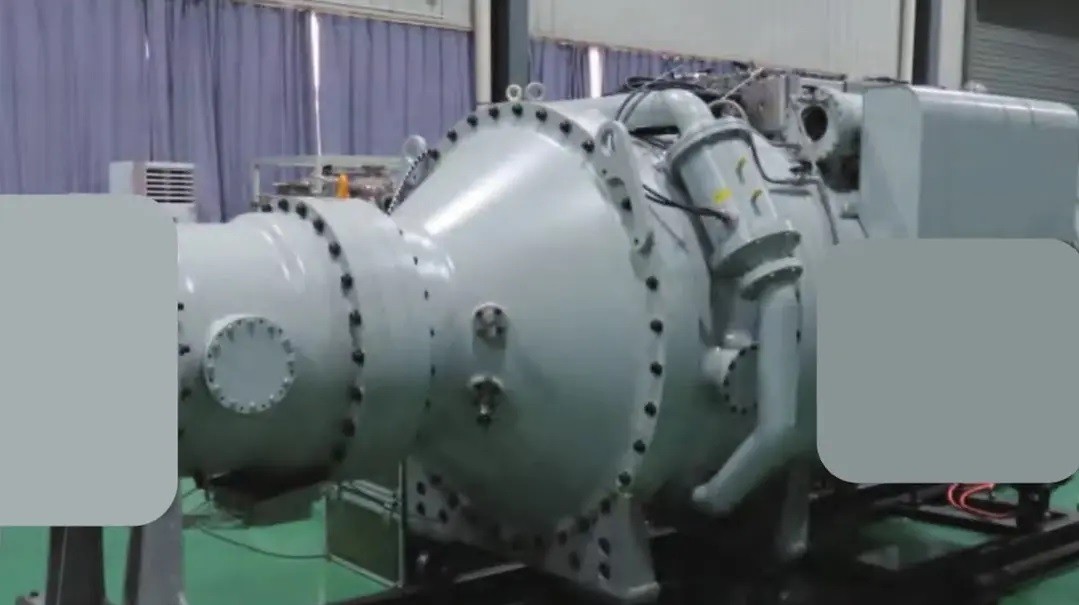
A team of researchers from the Northwest Institute of Nuclear Technology in Xi'an, China, has built a system capable of emitting a powerful microwave beam for up to a minute. The device, named TPG1000Cs, can generate energy at 20 gigawatts, far surpassing existing counterparts that could operate for only three seconds. This development was reported by Interesting Engineering.
In This Article:
A Four-Meter Frame and Five Tons of Power
This device represents the world's first compact high-power microwave (HPM) weapon driver. Its length is just four meters, and its weight is five metric tons thanks to an aluminum alloy construction. Such compactness makes it possible to mount the device on trucks, aircraft, and even satellites, providing mobility and versatility of use.
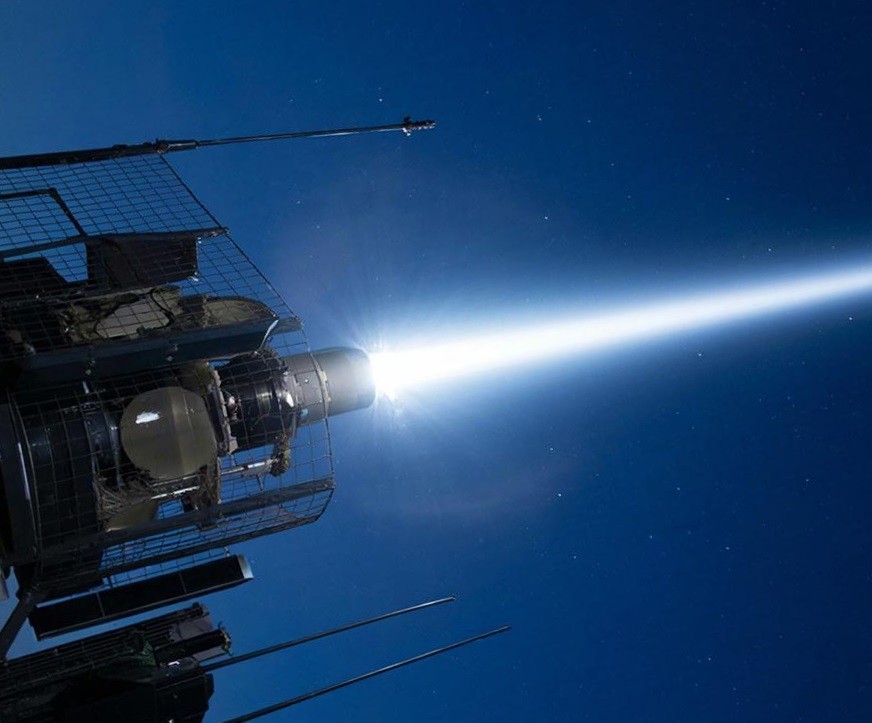
20 GW of Microwave Energy and Thousands of Pulses
The researchers published their results in the journal High Power Laser and Particle Beams, underscoring that the system is capable of producing up to 3000 high-frequency pulses per use. According to the scientists, the device has already undergone tests, demonstrating stable operation and reliability, which opens the path to broad deployment on various platforms.
Redesigning for Efficiency: U-Shaped Energy Paths and Better Insulation
According to the Chinese developers, replacing traditional tubular structures with a U-shaped form allowed for effective reflection of energy, delivering equivalent performance in a smaller volume. Improvements in insulating materials increased energy storage capacity, boosting the overall efficiency of the system.
Starlink Fears, Ground Attacks and a Geopolitical Arms Race
It is worth noting that Chinese authorities have repeatedly expressed concern about SpaceX's Starlink satellites, viewing them as a threat to national security. In this context, China is actively developing so-called 'Starlink killers', including powerful microwave installations and lasers capable of countering large satellite constellations at minimal cost. SpaceX recently lowered the orbital altitude of its Starlink satellites, aiming to reduce the risk of collisions with other objects in space. However, this maneuver potentially made the satellites more vulnerable to attacks from ground-based systems.