


Beggar Who Couldn’t Walk Owns Homes Cars and Side Businesses


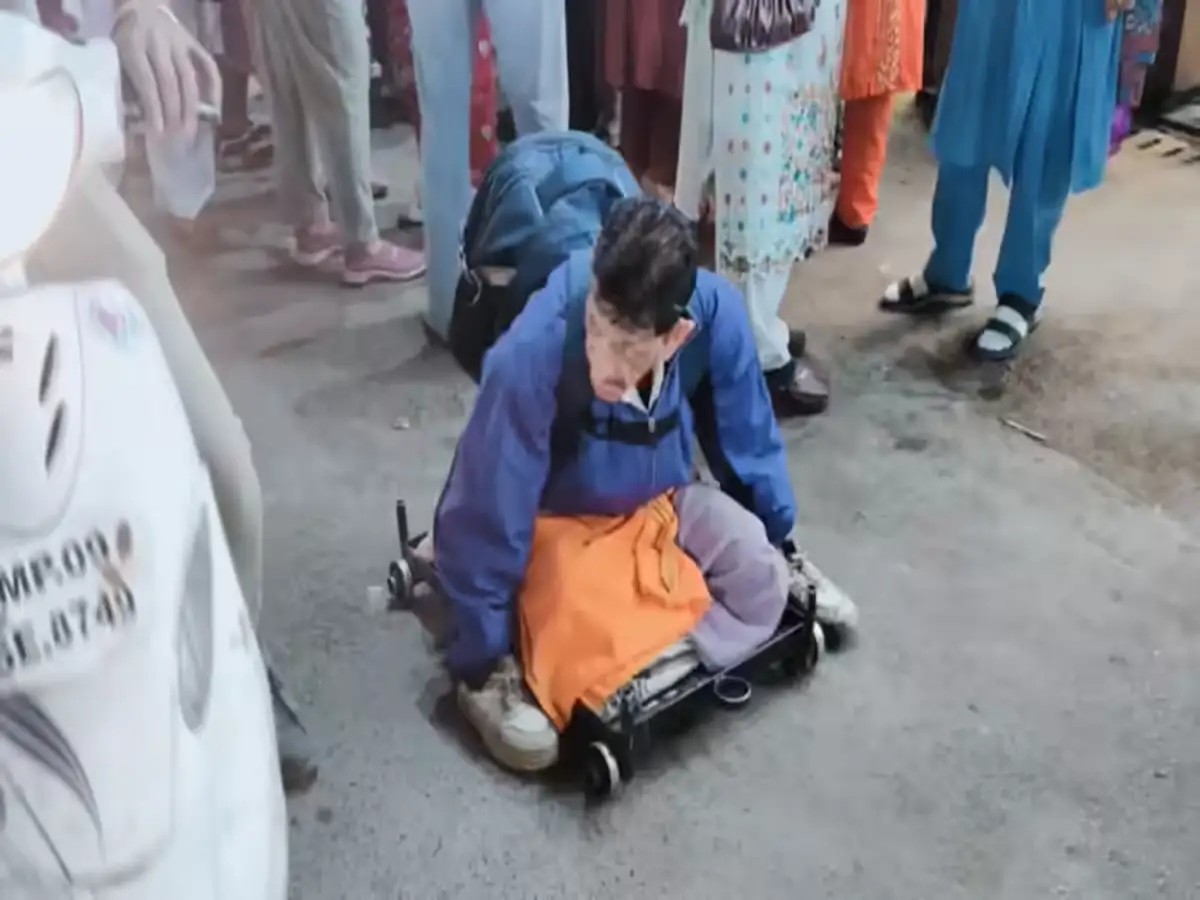
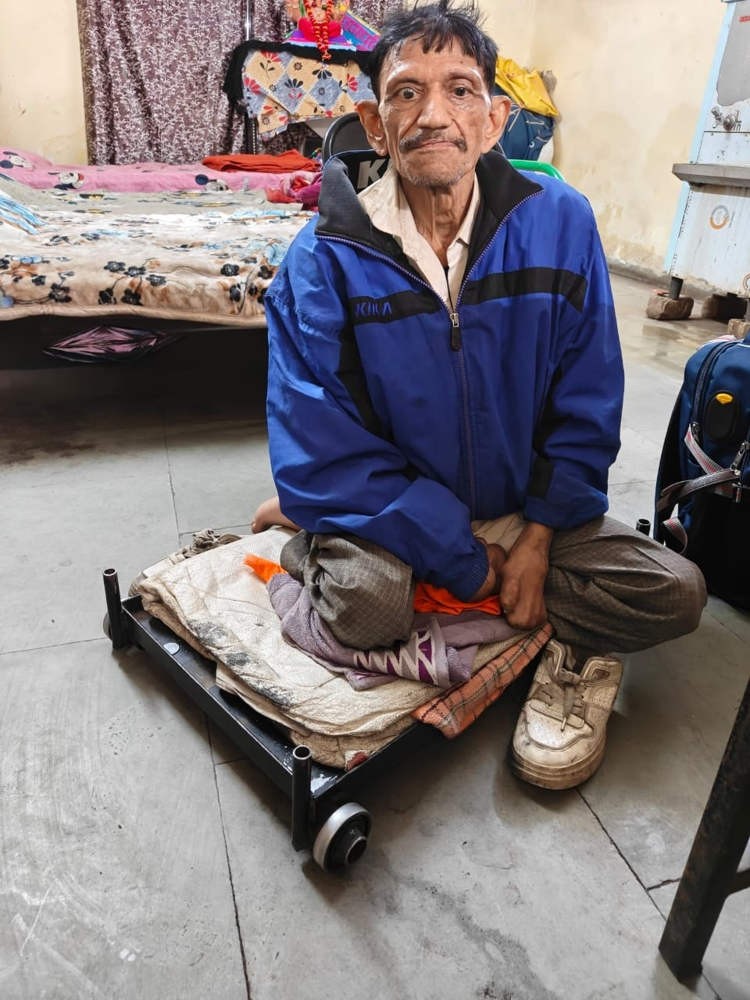
Indore has launched a determined drive to make the city beggar-free, but one rescue exposed a far more startling truth. In the bustling Sarafa Bazaar, authorities recently found a physically challenged man who had spent years begging. The 50-year-old man, identified only as Mangilal, cannot walk and spent his days cross-legged on a small wooden platform fitted with wheels, slowly pushing himself around. He had lost his fingers to leprosy, so he was a sight that moved many passersby to drop coins into his container. What appeared to be pure vulnerability concealed a carefully planned strategy. After Mangilal was taken in, given a shower, and provided with clean clothes, civil servants questioned him and discovered he wasn’t as helpless as he looked. He reportedly earned thousands of rupees per day begging and was lending money to shopkeepers in the Sarafa Bazaar at interest.
In This Article:
Assets unmasked three homes two auto-rickshaws and a car
Subsequent checks revealed that Mangilal was not homeless after all. He owned a three-storey house, a second house, and a flat that had been provided to him through a government welfare programme. He also owned two auto-rickshaws that he rented out to others, and a car for which he had hired a driver on a salary of Rs 12,000. The money he earns is not needed for survival but serves as a source of funds for various investments. Officials are currently examining whether the 50-year-old man has any bank accounts in his name as well.
Admission, bank checks and family involvement
During the investigation, Mangilal admitted that the money he earns in Sarafa isn’t required for survival, but rather a source of funds for various investments. Officials are currently checking if the 50-year-old beggar has any bank accounts to his name as well. It was also revealed that Mangilal’s family members were involved in begging. “They didn’t beg; they simply helped me survive,” Mangilal claimed, though officials are pursuing further inquiries as part of the broader probe.
The beggar’s own words and the wider context
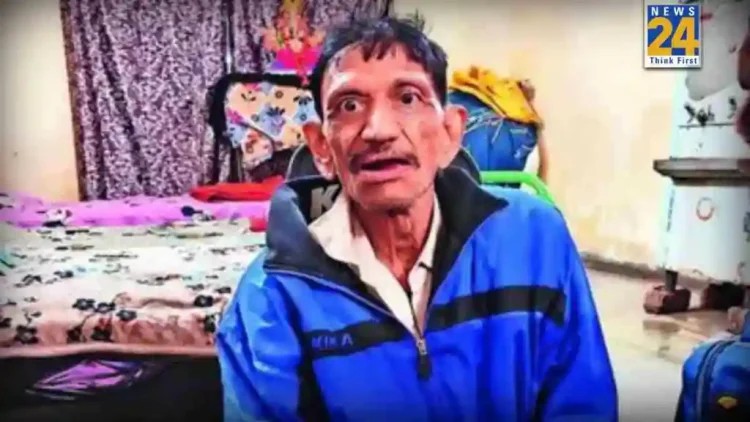
“I certainly go there, but don’t beg, it’s the people who put the money in my pocket or throw coins or notes on the wooden board,” Mangilal tried explaining, knowing that begging is illegal in Indore. This remark underscores the complex, often contradictory realities behind street life. Interestingly, India is also home to the world’s richest beggar, a man whose fortune puts Mangilal’s to shame.