


Banks Seize 367000 Homes as Foreclosure Wave Sweeps Across the US and Experts Warn It Will Get Worse in 2026


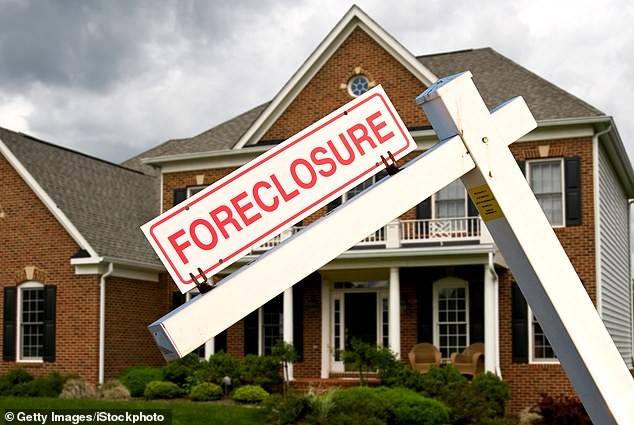
The past year was difficult for homeowners — but experts warn that 2026 could be even more challenging. Foreclosures — when a bank or lender takes back a home after missed mortgage payments — rose 14 percent from a year earlier. In total, 367,460 US properties faced foreclosure filings in 2025, meaning they were in some stage of being taken over by a lender, according to ATTOM's data. Experts warn even more homes may be seized in 2026. "If the job market weakens, and it may very well, then we could unfortunately down the road see the increase in the foreclosure rate significantly accelerate," said economist Michael Szanto. Indeed, the outlook for the housing market — and the wider economy — is increasingly bleak. In total, the US added only around 584,000 jobs in 2025, making it the weakest year for job growth outside a recession since 2003. As foreclosures rise, neighborhoods are flooded with discounted, bank-owned homes, dragging down nearby property values. For homeowners, that often means losing equity simply because of where they live. A surge in foreclosure filings are a symptom of deeper financial problems: homeowners squeezed by higher taxes and interest costs are falling behind, as they fail to pay other debts, such as credit cards and car loans, as well. That dynamic is reviving fears of a downturn reminiscent of 2008. Foreclosure is when a bank or lender takes back a home because the owner hasn't made the required mortgage payments
In This Article:
- Foreclosure filings spike in 2025 with 367,460 properties facing foreclosure
- Jobs outlook darkens as 2025 adds only 584,000 new positions
- Florida tops foreclosure rates and condo crisis linked
- Metros show the worst foreclosure rates Lakeland leads the nation
- Big metros under pressure: Jacksonville, Las Vegas, Chicago and Orlando
- Expert analysis: supply shortages and high rates slow buyers toward normalization
- November 2025 data shows a rising tide of delinquencies
Foreclosure filings spike in 2025 with 367,460 properties facing foreclosure
Foreclosures — the process by which a bank or lender takes back a home after missed payments — rose 14 percent from the previous year, pushing total 2025 filings to about 367,460, according to ATTOM. Experts warn even more homes may be seized in 2026. This reflects a broader stretch in household finances, as homeowners squeezed by higher costs fall behind on debts beyond their mortgages. That surge is a symptom of deeper financial strains: homeowners struggle with higher taxes and interest costs while also failing to pay other debts, such as credit cards and car loans. That dynamic has renewed fears of a downturn reminiscent of 2008.
Jobs outlook darkens as 2025 adds only 584,000 new positions
Indeed, the outlook for the housing market — and the wider economy — is increasingly bleak. In total, the US added only around 584,000 jobs in 2025, making it the weakest year for job growth outside a recession since 2003. As foreclosures rise, neighborhoods are flooded with discounted, bank-owned homes, dragging down nearby property values. For homeowners, that often means losing equity simply because of where they live. A surge in foreclosure filings are a symptom of deeper financial problems: homeowners squeezed by higher taxes and interest costs are falling behind, as they fail to pay other debts, such as credit cards and car loans, as well. That dynamic is reviving fears of a downturn reminiscent of 2008. "If Americans are struggling to pay their mortgages, they’re likely cutting back on essentials like food, transportation, and healthcare — an affordability crunch that weighs on economic growth."
Florida tops foreclosure rates and condo crisis linked
Florida topped the foreclosure list in 2025, with one filing for every 230 homes — an unsettling sign in a state already grappling with soaring insurance and housing costs. Szanto explained that Florida's condo crisis was partly responsible: \'Florida is being uniquely affected by a massive rise in assessments for older condo buildings in response to the tragic Surfside collapse.\' Delaware followed closely at one in every 240 housing units, while South Carolina wasn’t far behind at one in 242. Illinois and Nevada rounded out the top five, each posting foreclosure filings on roughly one out of every 248 homes, underscoring that financial strain is spreading well beyond any single region.
Metros show the worst foreclosure rates Lakeland leads the nation
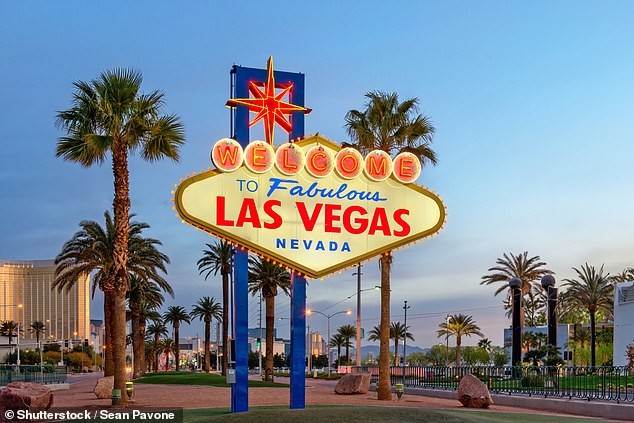
Among the 225 metropolitan regions with at least 200,000 residents, Lakeland, Florida, stood out with the highest foreclosure rate in the country in 2025, with one in every 145 homes entering the foreclosure process. Columbia, South Carolina followed at one in 165, while Cleveland, Ohio ranked third at one in 187. Florida appeared again on the list with Cape Coral (one in 189), joined by Atlantic City, New Jersey, where one in every 192 housing units faced a foreclosure filing — signaling mounting stress in both Sun Belt and legacy markets alike. Las Vegas was one of the cities that saw the most concerning foreclosure rates in 2025.
Big metros under pressure: Jacksonville, Las Vegas, Chicago and Orlando
Among cities with populations exceeding one million, Jacksonville, Florida posted the worst foreclosure rate in 2025, with one filing for every 200 homes. Las Vegas wasn’t far behind at one in 210, followed by Chicago at one in 214 and Orlando at one in 217, highlighting that even major housing markets are increasingly feeling the strain.
Expert analysis: supply shortages and high rates slow buyers toward normalization
"The main weakness of our housing market is still a major supply shortage combined with factors like higher mortgage rates locking out many would-be new homebuyers," said Szanto. While the data seems concerning, ATTOM's CEO Rob Barber says it simply reflects a "continued normalization of the housing market following several years of historically low levels."
November 2025 data shows a rising tide of delinquencies
In November, 35,651 properties had a foreclosure filing — up a staggering 21 percent from just one year earlier. Last month, ATTOM's data showed the number of homeowners falling behind to be rising every single month.