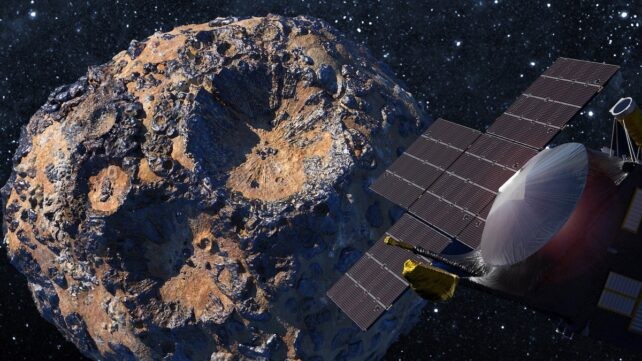


Asteroid Mining Dream Crashes Into Reality


Asteroid mining was a hot idea just a few years ago as the space industry grew. The dream was to build platforms and spacecraft that could rendezvous with Near Earth Asteroids (NEAs), mine them, and return the material to space-based factories. After many ventures failed and speculation faded, these plans were put on hold until technology caught up and milestones could be reached. The dream of a post-scarity future remains, but experts say we need more infrastructure and a better understanding of the chemical makeup of small asteroids. In a new study from the Institute of Space Sciences (ICE-CSIC), researchers analyzed samples of carbon-rich C-type asteroids, which account for about 75% of known asteroids. Their findings suggest these asteroids could be a crucial source of raw materials for future resource use.
In This Article:
The Team Behind the Study
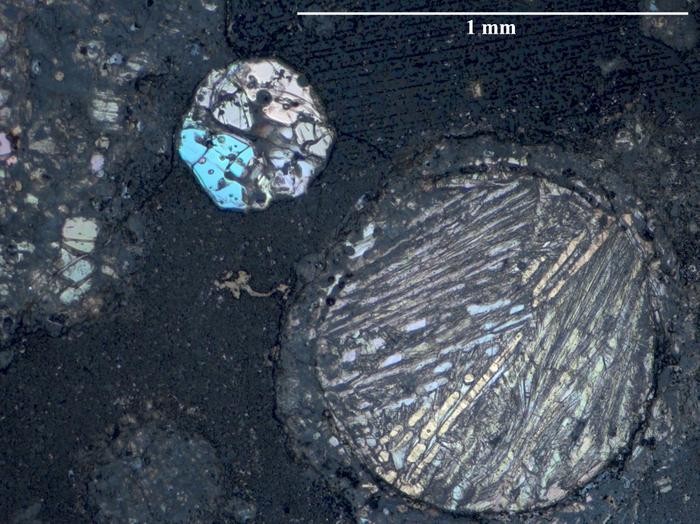
The team was led by Dr. Josep M. Trigo-Rodríguez, a theoretical physicist from the Institute of Space Sciences (ICE) and the Catalonian Institute of Space Studies (IEEC) in Barcelona. He was joined by PhD student Pau Grèbol-Tomàs (also from ICE and IEEC), Dr. Jordi Ibanez-Insa (Geosciences Barcelona), Prof. Jacinto Alonso-Azcárate (Universidad de Castilla-La Mancha), and Prof. Maria Gritsevich (University of Helsinki and the Institute of Physics and Technology, Ural Federal University). Their work is described in a paper that will appear on Jan. 2 in the Monthly Notices of the Royal Astronomical Society (MNRAS). Carbonaceous chondrites (C chondrites) fall to Earth regularly, though they are rarely retrieved for study by scientists. Aside from accounting for only 5% of all meteorites, their fragile nature often causes them to fragment and be lost. To date, the majority of those retrieved have been found in desert regions, including the Sahara and Antarctica. The Asteroids, Comets, and Meteorites research group at ICE-CSIC, which Trigo-Rodríguez leads, investigates the physicochemical properties of asteroids and comets and is the international repository for NASA's Antarctic meteorite collection. In this latest study, the research group selected and characterized the asteroid samples, which were then analyzed by Professor Jacinto Alonso-Azcárate at the University of Castilla-La Mancha using mass spectrometry.

What the Study Found About C-Type Asteroids
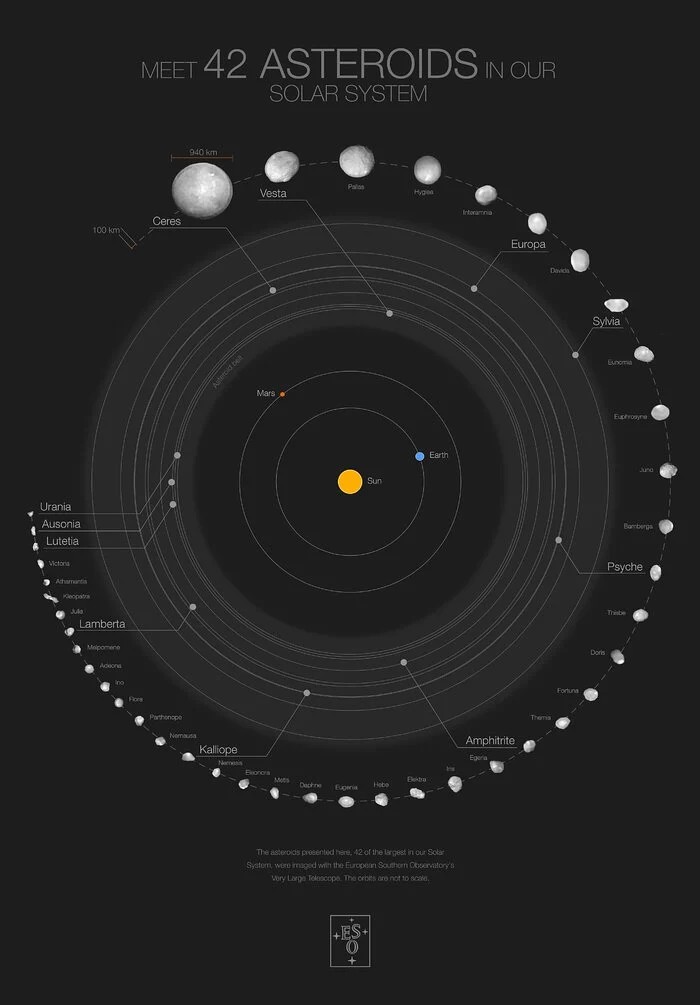
This allowed them to determine the precise chemical composition of the six most common classes of C chondrites, providing valuable information on whether resource extraction will be possible in the future. Said Trigo-Rodríguez in a CSIC press release: "The scientific interest in each of these meteorites is that they sample small, undifferentiated asteroids, and provide valuable information on the chemical composition and evolutionary history of the bodies from which they originate." "At ICE-CSIC and IEEC, we specialize in developing experiments to better understand the properties of these asteroids and how the physical processes that occur in space affect their nature and mineralogy. The work now being published is the culmination of that team effort." Knowing the abundance of material in asteroids is vital, as they are highly heterogeneous. While they are typically grouped into three categories: C-type (carbonaceous), M-type (metallic), or S-type (silicaceous), asteroids are also classified by spectral characteristics and orbit. In addition, asteroids are essentially material left over from the formation of the Solar System and are heavily influenced by their long evolutionary history (ca. 4.5 billion years). As such, knowing the precise composition of asteroids is essential to determining where different resources (water, ores, etc.) are likely to be located.
Findings and Mining Viability
According to the team's results, mining undifferentiated asteroids (believed to be the progenitor of chondritic meteorites) is far from viable. The study also identified a type of asteroid rich in olivine and spinel bands as a potential target for mining operations. The team also noted that water-rich asteroids with high concentrations of water-bearing minerals should be selected. In the meantime, they emphasize the need for additional sample-return missions to verify the identity of progenitor bodies before mining can be realized. Said Trigo-Rodríguez: "Alongside the progress represented by sample return missions, companies capable of taking decisive steps in the technological development necessary to extract and collect these materials under low-gravity conditions are truly needed. The processing of these materials and the waste generated would also have a significant impact that should be quantified and properly mitigated." This, they argue, will require the development of large-scale collection systems and methods for extracting resources in microgravity. "For certain water-rich carbonaceous asteroids, extracting water for reuse seems more viable, either as fuel or as a primary resource for exploring other worlds," said Trigo-Rodríguez. "This could also provide science with greater knowledge about certain bodies that could one day threaten our very existence. In the long term, we could even mine and shrink potentially hazardous asteroids so that they cease to be dangerous." As Grèbol-Tomàs added: "Studying and selecting these types of meteorites in our clean room using other analytical techniques is fascinating, particularly because of the diversity of minerals and chemical elements they contain. However, most asteroids have relatively small abundances of precious elements, and therefore the objective of our study has been to understand to what extent their extraction would be viable. It sounds like science fiction, but it also seemed like science fiction when the first sample return missions were being planned thirty years ago."
The Road Ahead for Space Mining
The benefits of asteroid mining are immense, which is why the topic has attracted attention in the past decade. In addition to precious metals, many asteroids contain water ice that could be used to manufacture fuel for deep-space missions and provide water for drinking and irrigating crops. This would mean reduced reliance on resupply missions from Earth, allowing robotic and crewed missions to achieve greater self-sufficiency. By relocating mining and manufacturing to cislunar space and the Main Asteroid Belt, humanity could reduce the environmental impact these industries have on Earth. Public enthusiasm for asteroid mining has cooled over the past decade, but many ventures today are researching and developing the necessary technology. Space agencies like NASA and JAXA have conducted sample-return missions that have revealed a great deal about the scientific and material wealth asteroids could contain. In the near future, China's Tianwen-2 mission will rendezvous with an NEA and a Main Asteroid Belt comet. Although it may be many decades (or longer) before an industry for space-based resources emerges, there are many prepared to get in on the ground floor. Related: CSIC, MNRAS This article was originally published by Universe Today. Read the original article.