

Ancient Good Shepherd Fresco Unearthed in Turkey Proves Bible Verse True


A colorful fresco depicting the 'Good Shepherd Jesus' has been uncovered on the north wall of an underground tomb in Turkey, dating to the third century and aligning with one of the Bible's most significant verses, John 10:11: 'I am the good shepherd.'
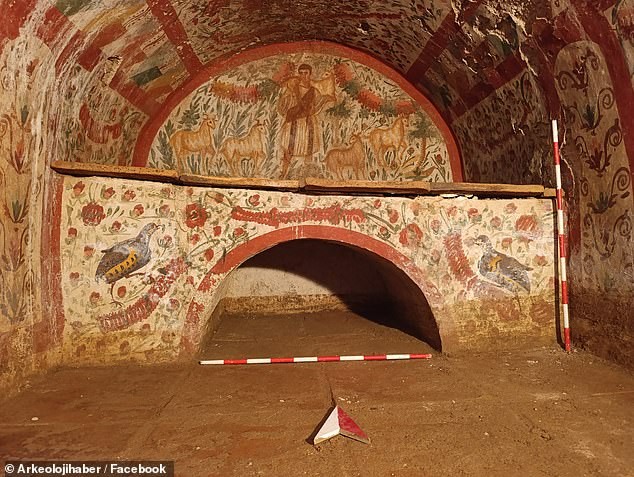
Third-Century Good Shepherd Fresco on North Wall of Underground Chamber Tomb in Iznik
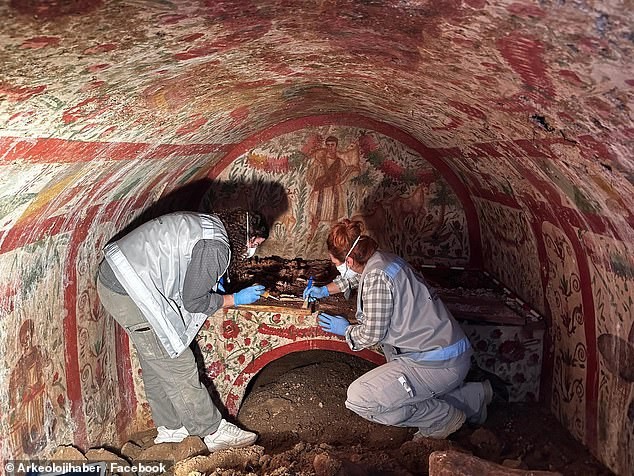
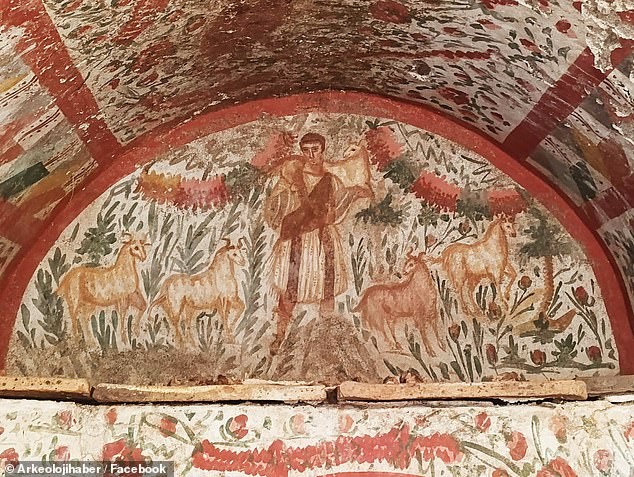
Around the north wall of an underground chamber tomb, a third-century fresco shows Jesus walking through a field surrounded by goats. He appears as a young, beardless man wearing a simple tunic, a goat draped across his shoulders. The fresco confirms that early Christians were using the same imagery and titles for Jesus found in the New Testament, including the 'Good Shepherd' motif referenced in John 10:11: 'I am the good shepherd.' Turkish officials said the discovery is exceptional, noting it is the only known early Christian-era example of its kind outside Italy. The fresco emerged during ongoing excavations at the Hisardere Necropolis in the Iznik district of Bursa, one of the region's largest ancient burial grounds. Dating from the second to fifth centuries AD, the site preserves a remarkably varied landscape of burials, including İznik's signature terracotta-roofed chamber tombs, heavy stone sarcophagi, upright-slab cist graves and expansive hypogea carved deep into the earth. Along the north wall sits a raised platform, or kline, lined with square terracotta slabs where the deceased were placed. Directly behind it, the rare Good Shepherd fresco remains intact.
From Pagan to Christian Beliefs Fresco Marks a Transition in Anatolia
Experts said the 'Good Shepherd Jesus' fresco represents a transition from pagan to Christian beliefs. Anatolia, also known as Asia Minor, served as a crossroads for many civilizations due to its strategic location between Asia and Europe. The tomb, constructed when the region was called Anatolia, featured three preserved walls and a ceiling also covered in frescoes. What sets this tomb apart from others in the region is its depiction of human figures, a rare feature in local funerary art. On the west wall, a married couple, presumably the tomb's occupants, are portrayed as aristocrats, their status conveyed through fine attire and adornments. The accompanying symposium scene, despite the tomb's Christian context, continues pagan traditions depicting the afterlife as an everlasting feast. Portraying Jesus with a sheep across his shoulders conveyed themes of protection, salvation and divine guidance, allowing Christians to communicate their beliefs subtly at a time when overt religious imagery was still uncommon. Experts told Middle East Eye that the image of Jesus painted inside the tomb represents a transition from pagan to Christian beliefs. The find also reinforces İznik’s status as a major religious and historical center, already renowned for hosting the First Council of Nicaea in 325 AD, which shaped foundational Christian doctrines. As excavations continue, researchers hope the Hisartepe Necropolis may yield additional frescoes, inscriptions or artifacts, shedding further light on the multicultural and religious history of ancient Nicaea.