


A solitary 4,000-year-old grave discovered in the Bayuda Desert reshapes our view of early civilizations


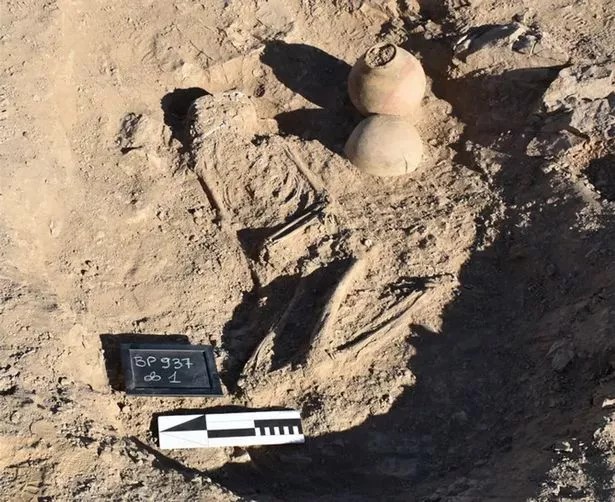
Researchers uncovered a solitary grave in the Bayuda Desert of northeast Sudan during a 2018 archaeological survey. The grave belonged to a middle-aged man who lived between 2050 and 1750 BCE, placing him within the Kingdom of Kerma, an early Nubian civilization that neighboured ancient Egypt. The grave itself appeared modest, but it carries the potential to rewrite our understanding of early African societies.
A modest grave hides a remarkable funeral feast
Beneath the mound lay the man’s skeleton, two ceramic vessels positioned behind his head, and 82 blue glazed disc beads around his neck. The burial included two ceramic vessels behind the head and a necklace of 82 blue glazed disc beads. The medium-sized jug contained acacia wood, legumes likely lentils and beans, cereal grains and several weevils that probably rode with the stored plants. Animal bones inside the vessel likely came from food consumed during a funeral feast. As the researchers wrote, "Since the vessel does not show any signs of having been burned, these remains, along with the fragments of animal bones found, were probably simply inserted into it. The bones in question are likely evidence of consumption during a funeral feast, some of the remains from which were then thrown into the fire." The contents of one of the vessels are unusual, he noted, possibly "relics of the fire associated with a funeral ritual." Paner explained that these items were typical for the region. "The burial mound is not particularly impressive, and the grave goods, including beads and ceramic vessels, are quite common," he said. The second ceramic vessel discovered in the burial was placed upside down and found empty.
The find reshapes history and our understanding of ancient environments and exchanges
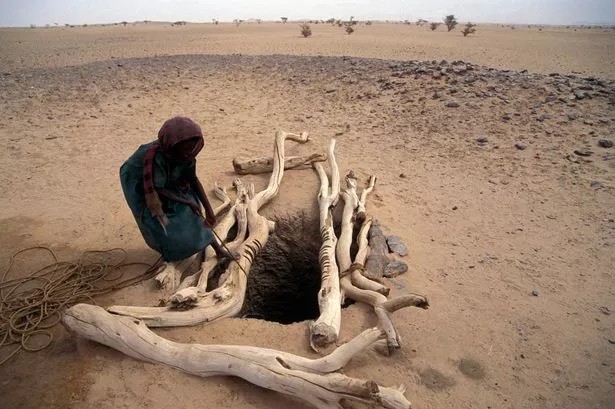
This is the first burial from the Kingdom of Kerma to show evidence of such a ritual. The absence of similar finds may reflect complex cultural exchanges across ancient Africa. Further work is needed to understand how goods, beliefs and practices moved across the region, a process that may ultimately expand or even rewrite parts of human history. The charred plant material revealed that the environment around the burial site was once a more humid savanna type landscape rather than the desert seen today. Even a seemingly modest site like this isolated grave can provide important clues for reconstructing past environments and climates. The study, published November 13 in the journal Azania, describes the grave as a simple oval mound.