


A Gut Bacterium That Keeps You Lean on a High-Fat Diet


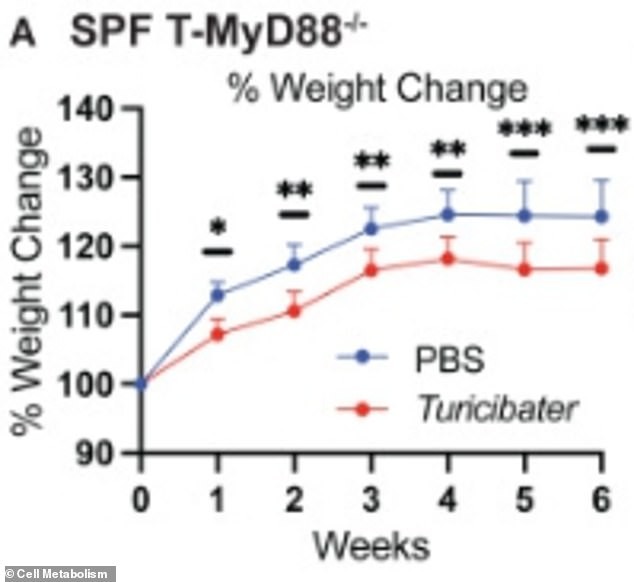
Beans, lentils and plum juice could help prevent you from gaining weight, a study suggests, even if you follow a high-fat diet. Researchers at the University of Utah tracked mice on a high-fat diet for eight weeks, and fed some supplements of Turicibacter, a bacterium found in the human gut. Among mice without supplements, the researchers said they gained about 25 percent of their bodyweight over the study period. For comparison, however, those that received the Turicibacter supplement only gained about 10 percent of their bodyweight. Researchers said in a press release that the results opened the door to potentially using Turicibacter to prevent weight gain in humans. The study was carried out in mice and will need to be repeated in humans to confirm the results. Supplements containing Turicibacter are not yet widely available, but previous research suggested people could boost the bacteria's population in their gut by consuming a high-fiber diet rich in fruits and vegetables as fiber provides fuel for micro-organisms. A previous study also found that plum juice raised Turicibacter levels in the guts of obese rats, which researchers said may be because it contains polyphenolic compounds that can boost good microbes in the gut. Experts warn that the bacteria does not grow in people who follow a high-fat diet because it is unable to survive in high-fat environments.
In This Article:
Eight-week mouse trial shows Turicibacter slows weight gain
Researchers at the University of Utah tracked mice on a high-fat diet for eight weeks, and fed some supplements of Turicibacter, a bacterium found in the human gut. Among mice without supplements, the researchers said they gained about 25 percent of their bodyweight over the study period. For comparison, however, those that received the Turicibacter supplement only gained about 10 percent of their bodyweight. Researchers said in a press release that the results opened the door to potentially using Turicibacter to prevent weight gain in humans. Dr June Round, an immunologist at the University of Utah who led the study, said: 'I didn't think one microbe would have such a dramatic effect, I thought it would be a mix of three or four. So, when [my assistant] brought me the first experiment with Turicibacter and the mice were staying really lean, I was like, "this is so amazing".' She added: 'It's pretty exciting when you see those types of results.' The study was carried out in mice and will need to be repeated in humans to confirm the results.

Turicibacter may slow weight gain by breaking down fatty molecules
In the paper, published in the journal Cell Metabolism, researchers found that mice fed Turicibacter also had fewer ceramides, a fatty molecule absorbed in the small intestine that was linked to type 2 diabetes and heart disease. In mice on a high-fat diet, their guts contained about 300 picomoles of lipid per milliliter (pmol lipid/mL). A picomole is equivalent to about 600 billion molecules. For comparison, the mice that received Turicibacter in their diet had a gut ceramide concentration of about 200 pmol lipid/mL. Results showed mice that received Turicibacter (red line) gained less weight than those that did not receive the supplement (blue line).
Plum juice and other foods that promote Turicibacter
A previous study also found that plum juice raised Turicibacter levels in the guts of obese rats, which researchers said may be because it contains polyphenolic compounds that can boost good microbes in the gut. Foods that can promote Turicibacter include onions, garlic, artichokes, asparagus, cacao, inulin and foods with omega-9 fatty acids like olive oil. Researchers said that this shift was likely linked to the activity of the bacteria. Dr Round added: 'We have improved weight gain in mice, but I have no idea if this is actually true in humans.'
Foods to eat to support Turicibacter
Experts say that foods that can promote Turicibacter should be eaten as part of a balanced diet. These can include onions, garlic, artichokes, asparagus, cacao, inulin and foods with omega-9 fatty acids like olive oil, avocados, almonds and cashews. Saturated fats should be avoided as they have been shown to reduce the bacteria in the gut. About 74 percent of US adults are overweight or obese, according to the CDC, with 43 percent considered to be obese.
Dieting and expert guidance on healthy weight
Dr Federica Amati, a leading nutritionist in the UK, told Daily Mail that when people are dieting, they should not be afraid of upping the volume of food they eat, as long as it is healthy and not loaded with added sugar. She said: 'The problem with classic dieting is that it tends to focus almost exclusively on eating less, rather than eating well. When we cut calories too aggressively, the body often responds defensively. Metabolism can slow, hunger hormones increase, and satiety hormones fall, all of which make us feel hungrier and more tired, not more in control or energized to continue.'