


A 12 Kilogram Electric Motor Could Slash EV Weight by Hundreds of Kilograms


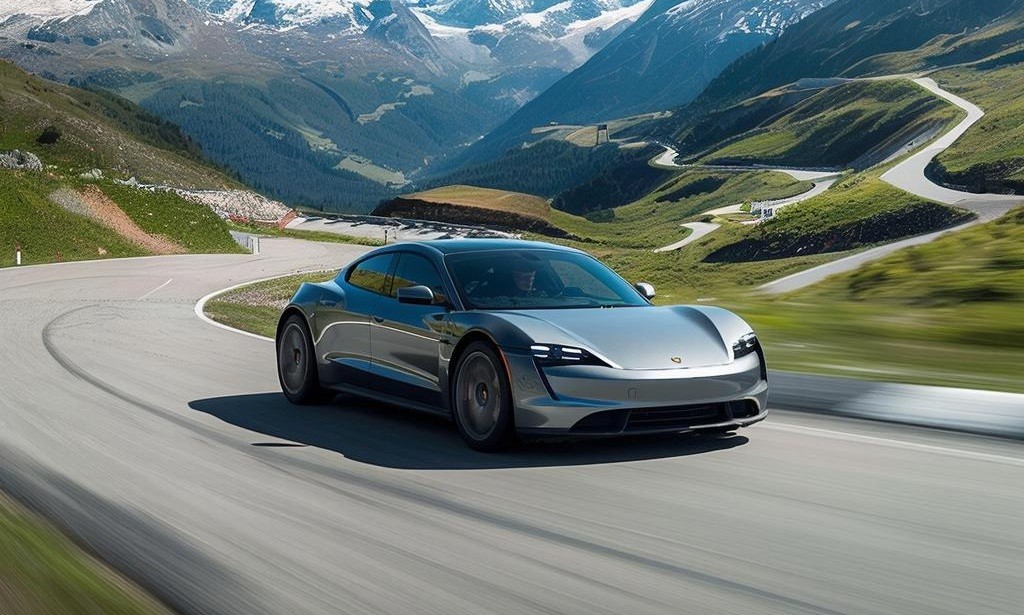
Engineers at the British firm YASA (a Mercedes-Benz subsidiary) have developed innovative electric motors for the cars of the future, capable of dramatically reducing vehicle weight and increasing the range of electric cars. Live Science reports. Image: Open-source photo / AI-generated illustration.
In This Article:
A 12 Kilogram Motor Delivers Up to 746 kW and Sustains 350–399 kW
The new motor weighs about 12 kg and can deliver up to about 746 kW (roughly 1,000 horsepower) at once, or sustain around 350–399 kW (approximately 469–536 hp) for extended periods. This achievement became possible thanks to axial-flow technology developed by YASA engineers. Traditionally used axial-flow motors have a cylindrical shape, inside which a magnetic field is created perpendicular to the axis of rotation. Axial motors are flat, pancake-type designs that allow the motor’s dimensions to be nearly halved while maintaining high efficiency.
Massive Weight Savings Potential: About 440–500 kg
Experts note the key advantage of the new motors is a significant reduction in the vehicle’s mass. Replacing traditional transmissions and drive components with such compact motors would reduce the vehicle’s mass by about 440 kilograms. If a car is designed from the outset with the features of these innovative motors in mind, the potential weight savings reach 500 kg.
Integrated Regenerative Braking to Charge the Battery During Deceleration
Another important aspect of the development is the built-in regenerative braking system, providing efficient charging of the batteries during braking. This solution saves energy and significantly increases the electric car’s range.
From High-Performance Cars to Mass Production
Although the technology was developed primarily for high-performance sports cars and supercars, experts say that using such engines opens prospects for mass production of serial models with longer range and improved characteristics. The ability to place lighter powertrains will allow manufacturers to create cars with greater cabin or trunk capacity or to improve the vehicle’s aerodynamic properties.
Live Science and Image Credits
Source: Live Science. Image: Open-source photo / AI-generated illustration.