


8% lower brain choline found in people with anxiety across 25 studies


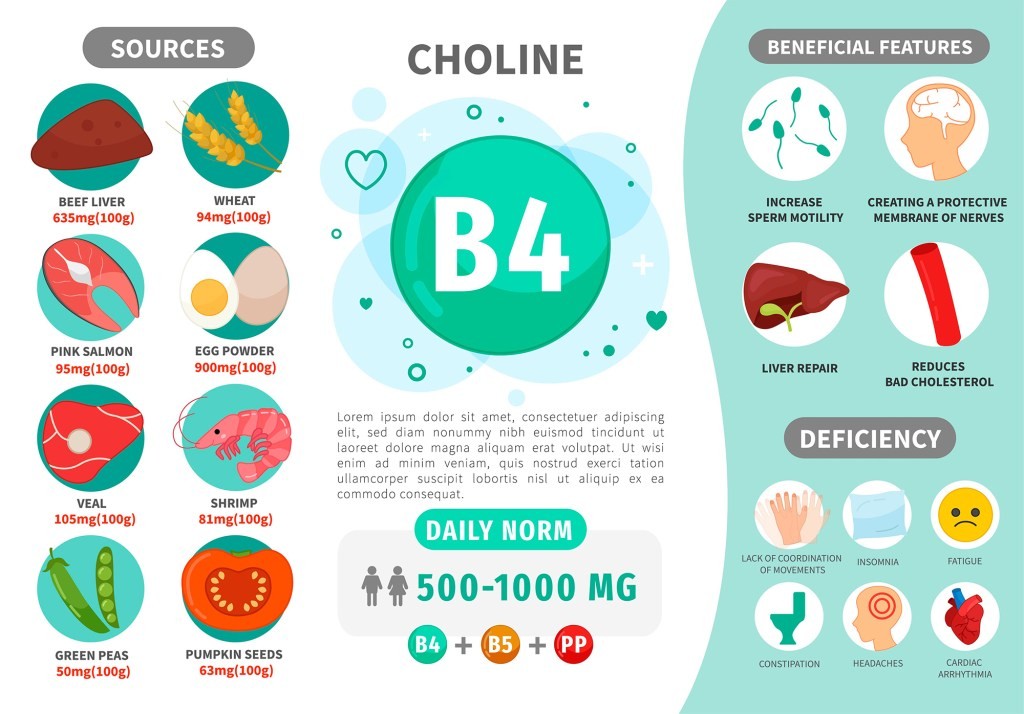
Researchers at UC Davis Health in California used a non-invasive MRI-based technique that measures brain chemicals to analyze data from 25 prior studies. They compared 370 people with anxiety disorders to 342 without anxiety. Across the combined studies, individuals with certain anxiety disorders showed an average of about 8% lower choline levels in brain regions that help regulate thinking and emotions. “An 8% lower amount doesn’t sound like that much, but in the brain, it’s significant,” said senior study author Richard Maddock, a medical doctor and research professor in the Department of Psychiatry and Behavioral Sciences at the University of California, Davis. Choline — found in foods such as eggs, beef, chicken, fish and soybeans — plays a key role in memory, mood and cell health, according to experts. The study authors propose that heightened stress responses in anxiety disorders may increase the brain’s demand for choline, gradually lowering levels of the nutrient — especially in regions that help regulate stress and reduce the threat response, according to the published research. The findings don’t prove that low choline causes anxiety. The researchers also emphasized that it’s too early to recommend eating more choline or taking large doses of it in supplement form. The research does, however, reveal a pattern across three major anxiety disorders that could shape future research into how nutrition and brain chemistry interact with anxiety disorders, they said.
Experts urge caution that this shows correlation, not proven cause
Yet several clinicians and nutrition experts told Fox News Digital the results should be interpreted cautiously and warned Americans against assuming anxiety is caused by a nutrient deficiency. “Anxiety disorders are the most common mental illness in the United States, affecting about 30% of adults,” Maddock said. “They can be debilitating for people, and many people do not receive adequate treatment.” “It suggests nutritional approaches — like appropriate choline supplementation — may help restore brain chemistry and improve outcomes for patients,” study co-author Jason Smucny said in a statement. “Anxiety disorders are the most common mental illness in the United States, affecting about 30% of adults,” Maddock said. “They can be debilitating for people, and many people do not receive adequate treatment.” “More research is needed to learn if increasing choline will reduce anxiety. He warned that heavy choline supplements can cause side effects.” “Kocher, who was not involved in the study, described the pattern as potentially indicating stress on metabolic processes.” “We know from the clinic that this kind of burden is associated with feeling easily overwhelmed, feeling less resilient under stress and being mentally tired earlier in the day,” she told Fox News Digital. “Some omega-3 fats found in fish, such as salmon, may be ‘especially good’ at delivering choline to the brain, Maddock noted.” “While low choline might have an association, it’s not the whole story.” “Mood and anxiety disorders have been tied to other nutrient deficiencies, including vitamin D,” Manaker said. “A balanced diet that includes foods like dairy milk and eggs — which provide choline, vitamin D, B12 and other brain-supporting nutrients — may help address those gaps, but nutrition is only one piece of managing anxiety, she emphasized.” “Kocher agreed choline is just ‘one of many pieces of a larger stress biology puzzle, not the sole driver.’” “Manaker said a choline-rich diet is important for overall brain health, regardless of whether someone has anxiety.” Fox News Digital reached out to the study authors for comment.
What this means for diet and treatment practical takeaways and limits
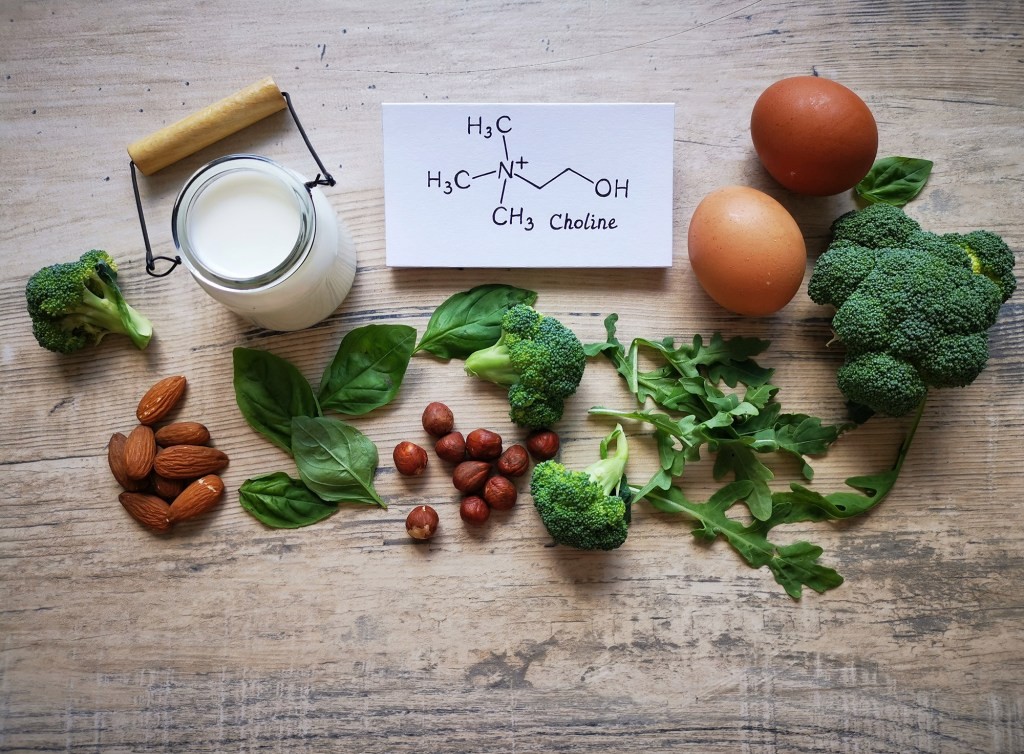
Choline is considered essential because the body makes only a small amount of it, and the rest has to come from food. Studies have found that most Americans, including children, don’t get the recommended daily amount of the nutrient. Some omega-3 fats found in fish, such as salmon, may be “especially good” at delivering choline to the brain, Maddock noted. A balanced diet that includes foods like dairy milk and eggs — which provide choline, vitamin D, B12 and other brain-supporting nutrients — may help address those gaps, but nutrition is only one piece of managing anxiety, as Manaker emphasized. Mood and anxiety disorders have been tied to other nutrient deficiencies, including vitamin D, according to Manaker. She added that a choline-rich diet is important for overall brain health, regardless of whether someone has anxiety. In highlighting the limitations, the authors stress that the findings do not mean choline is the cause of anxiety — or that people should ditch treatment plans in favor of diet tweaks.