

139-Year Coca-Cola Secret Finally Revealed The World Learns The Taste Is More Than Sugar


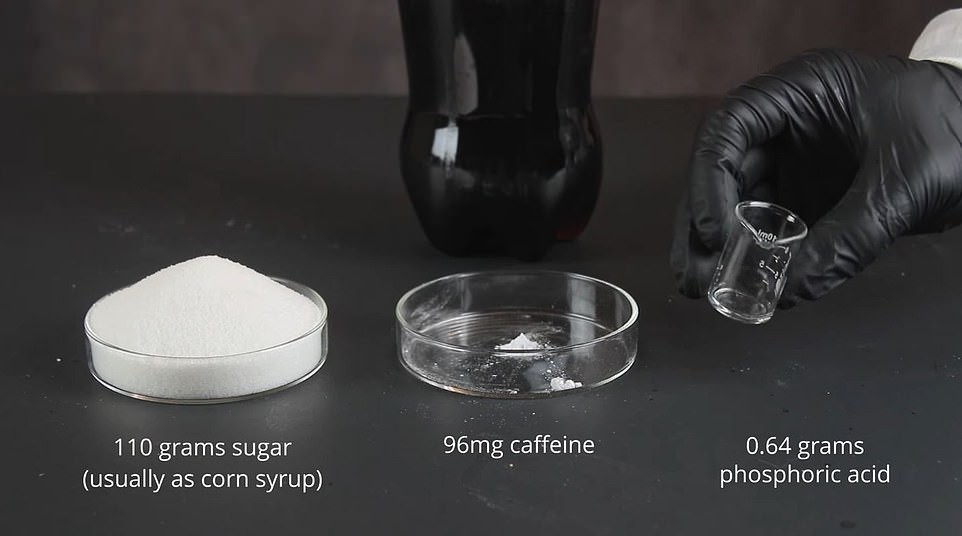
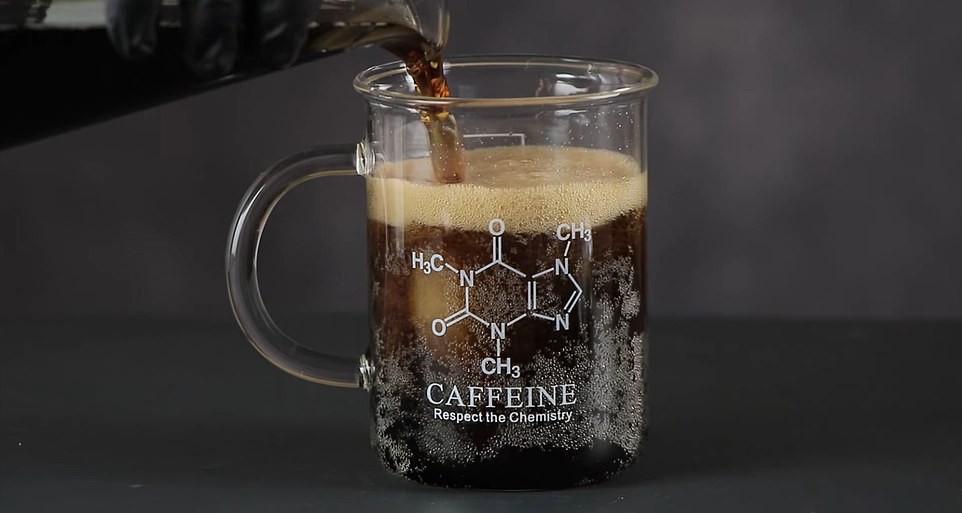
The Coca‑Cola recipe is one of the world's most closely guarded trade secrets — but a claim could change that. Zach Armstrong, a scientist who runs the YouTube channel LabCoatz, says he has cracked the 139‑year‑old mystery formula. According to his experiments, the taste that so many people love is more than 99 per cent sugar. A litre of Coke contains about 110 g of sugar, 96 mg of caffeine, 0.64 g of phosphoric acid, and caramel colouring. The real secret lies in the composition of the ambiguously named 'natural flavours' that give Coke its distinctive taste. Armstrong's work suggests he built a chemically exact replica using mass spectrometry and a carefully selected mix of ingredients — without coca leaves.
In This Article:
- The Real Secret Behind Coca-Cola The Ambiguously Named Natural Flavours
- Mass Spectrometry Turns Clues Into a Coca-Cola Replica Without Coca Leaves
- A Precise Mélange The Essential Oils And A 24 Hour ageing
- Missing Notes 2014 Illinois Study Finds Fresh And Cooling Flavours
- Tannins From Coca Leaves The Hidden Edge
- Bringing It Together Final Product Costs And Safety Warnings
The Real Secret Behind Coca-Cola The Ambiguously Named Natural Flavours
Coca-Cola's real secret is the composition of the ambiguously named 'natural flavours' which give Coke its distinctive taste. Figuring out what makes up that remaining one per cent took Mr Armstrong over a year of scientific analysis, taste tests, and trial and error. The resulting formula costs pennies to make and can produce an almost endless supply of Cola. The legal status of its key ingredient adds to the challenge of reproducing the taste at home.
Mass Spectrometry Turns Clues Into a Coca-Cola Replica Without Coca Leaves
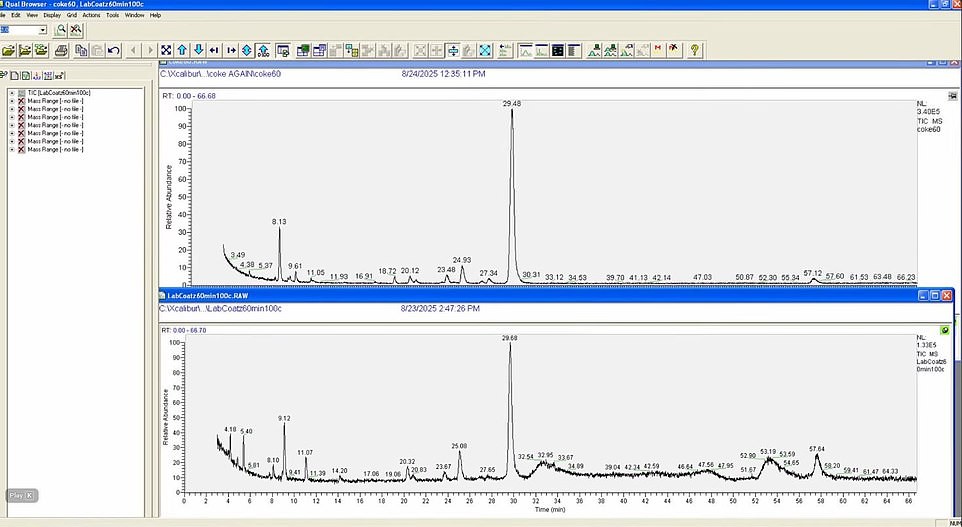
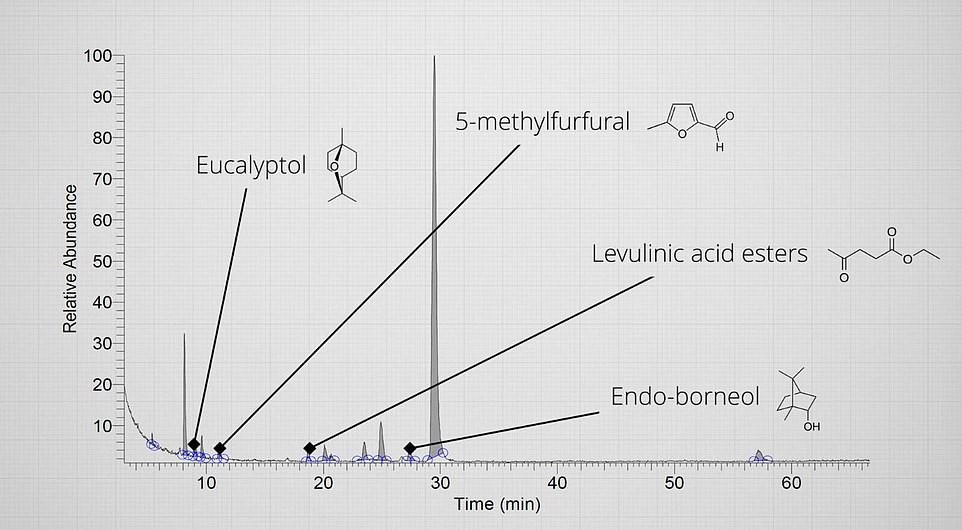
One of the main flavourings in Coke is a cocaine‑free extract of coca leaves. This extract is produced by the Stepan Company, which is the only commercial entity in the US with a licence to import coca leaves, and they do not sell to the public. Armstrong used a chemical test called mass spectrometry to break a substance down into an electrically charged gas and separate it into its component molecules, creating a 'fingerprint' of all the different components. Equipped with this fingerprint, he was able to start building up a chemically exact replica of Coke without any coca leaves at all.
A Precise Mélange The Essential Oils And A 24 Hour ageing
The basic recipe involves mixing a wide variety of essential oils in a very precise ratio. Armstrong's recipe included lemon oil, lime oil, tea tree oil, cinnamon oil, nutmeg oil, orange oil, coriander oil, and a natural pine‑like flavour called fenchol. This mixture then needs to be allowed to age for at least 24 hours before being diluted with food‑grade alcohol. Amazingly, the mixture is so concentrated that a single batch of essential oils is enough to make 5,000 litres of Coca‑Cola.
Missing Notes 2014 Illinois Study Finds Fresh And Cooling Flavours
However, a study published in 2014 by food scientists from the University of Illinois at Urbana–Champaign found that Coca‑Cola also includes fresh and cooling flavour notes that are often overlooked. Despite matching the chemical fingerprint of Coke almost exactly, the replica formula was still lacking these notes.

Tannins From Coca Leaves The Hidden Edge
Tannins are naturally occurring chemicals with a bitter or astringent flavour found in wine, tea, coffee, chocolate, and nuts. They produce the puckering or drying mouth feel that you might associate with a very dry red wine or bitter espresso. Tannins are non‑volatile, so they don't usually show up in mass spectrometry, which helps explain why they were overlooked. Coca leaves are essentially a form of tea, and tannins can be sourced as a water‑soluble powder that can be added to the cola recipe.
Bringing It Together Final Product Costs And Safety Warnings
For the final product, tannins and water are mixed with caramel colourings, vinegar, glycerin to thicken, caffeine, sugar, vanilla extract, and phosphoric acid. A litre of the water‑based solution is then flavoured with just 20 millilitres of a highly diluted version of the essential oil mix, heated, and mixed with carbonated water. According to Armstrong and his taste testers, the result is almost indistinguishable from the real thing. Although the initial cost of ingredients and equipment is high, once diluted it costs pennies to make litres of Coke. All ingredients are completely legal and obtainable online, but some chemicals can be irritating or toxic when undiluted, so appropriate protective equipment is recommended. The Daily Mail has contacted Coca‑Cola for comment.